Heat Pump in an Older Home: Victorian, 1930s & 1950s Houses
How heat pumps work in period properties and what you need to do first.
Heat Pumps in Old Houses: What You Need to Know
Installing a heat pump in an older property is absolutely achievable — but it requires more planning, a larger budget, and often some insulation work before the heat pump goes in. The good news is that the combination of insulation upgrades and a heat pump, supported by available grants, can transform the running costs of even a draughty Victorian terrace. Here is a clear-eyed look at what to expect by property era.
Heat Loss by Era: How Old is Your House?
The older your home, the higher its heat loss is likely to be — and heat loss drives everything else: how big a heat pump you need, how your radiators perform, and what you will pay to run the system. Here are typical annual heat demands for common UK property eras, before any insulation improvements:
| Era | Construction | Typical Heat Demand | Key Issues |
|---|---|---|---|
| Victorian (pre-1919) | Solid brick walls, no cavity, no insulation | 15,000–20,000 kWh/yr | Very high wall heat loss, draughty floors and windows |
| 1920s–1930s | Cavity walls (often unfilled), slate or tile roof | 12,000–16,000 kWh/yr | Unfilled cavity walls, minimal loft insulation |
| 1950s–1960s | Basic cavity walls, early double brick | 10,000–14,000 kWh/yr | Single glazing common, basic cavity, minimal insulation |
| 1970s–1980s | Wider cavity, early insulation standards | 8,000–12,000 kWh/yr | Often has some cavity fill but loft may be thin |
Compare this to a modern home built to post-2010 standards, which typically uses just 5,000–8,000 kWh per year. The gap is significant, but insulation works can close much of it.
Insulate First: The Priority Order
Before installing a heat pump in an older property, you should address insulation in the following priority order. Each step reduces heat demand, potentially allowing a smaller heat pump unit and improving running efficiency:
1. Loft Insulation
The single most cost-effective upgrade. A typical Victorian terrace loses around 25% of its heat through the roof. Adding 270mm of mineral wool to an empty loft costs £300–£600 installed and can save £200–£350 per year on a gas heated home. If you already have some insulation, topping it up to 270mm is cheap and worth doing regardless of whether you are getting a heat pump.
2. Cavity or Solid Wall Insulation
For 1930s properties with unfilled cavities, cavity wall insulation is straightforward and relatively cheap at £500–£1,500 for a typical semi. It involves drilling small holes in the external mortar and injecting insulation beads or mineral wool — the holes are then repointed and virtually invisible.
For Victorian properties with solid walls, the options are external wall insulation (EWI) or internal wall insulation (IWI). EWI involves fixing insulation boards to the outside of the building and rendering over them — very effective but costly at £8,000–£20,000 for a typical house. IWI is less disruptive to the exterior but reduces room sizes slightly, costing £4,000–£10,000. Grants may be available through the ECO4 scheme for lower-income households.
3. Draught Proofing
Old houses leak air through floorboards, window frames, skirting boards, and loft hatches. Professional draught proofing costs £200–£400 and can reduce heat loss by 5–10%. It is cheap relative to its impact and should be done alongside any heat pump installation.
What Insulation Does to Your Heat Demand
A typical Victorian terrace with solid walls, poor loft insulation, and single glazing might have a heat demand of 18,000 kWh per year. After adding loft insulation, secondary glazing or double glazing, and draught proofing — even without external wall insulation — that figure often drops to 10,000–12,000 kWh per year. This matters enormously for heat pump sizing and running costs.
Heat Pump Sizing for Old Properties
A modern, well-insulated home typically needs a 6kW to 8kW heat pump. An older property with higher heat loss will need a larger unit:
- Victorian solid-wall terrace after insulation work: typically 10–14kW
- 1930s semi with cavity fill and loft insulation: typically 8–12kW
- 1950s detached, single glazing, basic insulation: typically 10–14kW
Larger units cost more upfront and use more electricity to run, reinforcing why insulation should come first. A proper heat loss survey is essential — it calculates the actual figure for your specific home rather than relying on estimates.
Listed Buildings and Conservation Areas
If your older property is listed or sits in a conservation area, you face additional constraints:
- External wall insulation is unlikely to be approved on a listed building's exterior — internal wall insulation is the usual approach
- The outdoor heat pump unit may require listed building consent if it affects the character of the building or its setting
- Some conservation areas restrict units on front-facing walls or roofs visible from the street
Always consult your local planning authority before proceeding. Most listed building officers are willing to discuss what is and is not acceptable in a pre-application meeting. Many listed buildings have successfully had heat pumps installed, particularly when the unit is discreetly sited at the rear.
Realistic Total Costs for an Old House
| Work | Typical Cost | Notes |
|---|---|---|
| Loft insulation (top-up) | £300–£600 | May be free under ECO4 if eligible |
| Cavity wall insulation | £500–£1,500 | 1930s+ properties only; may be free under ECO4 |
| Solid wall insulation (internal) | £4,000–£10,000 | Victorian properties; partial rooms possible |
| Draught proofing | £200–£400 | High impact, low cost |
| Heat pump (10–14kW, installed) | £10,000–£16,000 | Before BUS grant |
| Total (typical Victorian terrace) | £12,000–£22,000 | Before grants |
| After £7,500 BUS grant | £4,500–£14,500 | ECO4 insulation grants may reduce further |
The range is wide because it depends on how much insulation work is needed. A 1930s semi that simply needs cavity fill and a larger heat pump might come in at the lower end. A Victorian end-terrace needing internal wall insulation throughout will sit at the top.
Is It Worth It?
For most older properties, the answer is yes — particularly with the £7,500 BUS grant available. Running costs for a well-designed heat pump system in an insulated older home typically come in 10–30% lower than a comparable gas system, and the gap is likely to widen as gas prices remain volatile. Factor in the insulation savings themselves (lower bills regardless of heating system) and the picture is compelling.
Start with a professional heat loss survey and a current EPC assessment. These give you the data to make an informed decision and form the basis of any grant applications. Our heat pump grants guide covers every funding source currently available for older properties.
Prepare Your Old House for a Heat Pump
Older homes benefit most from draught proofing and a thermal survey before committing to a heat pump. These products help.
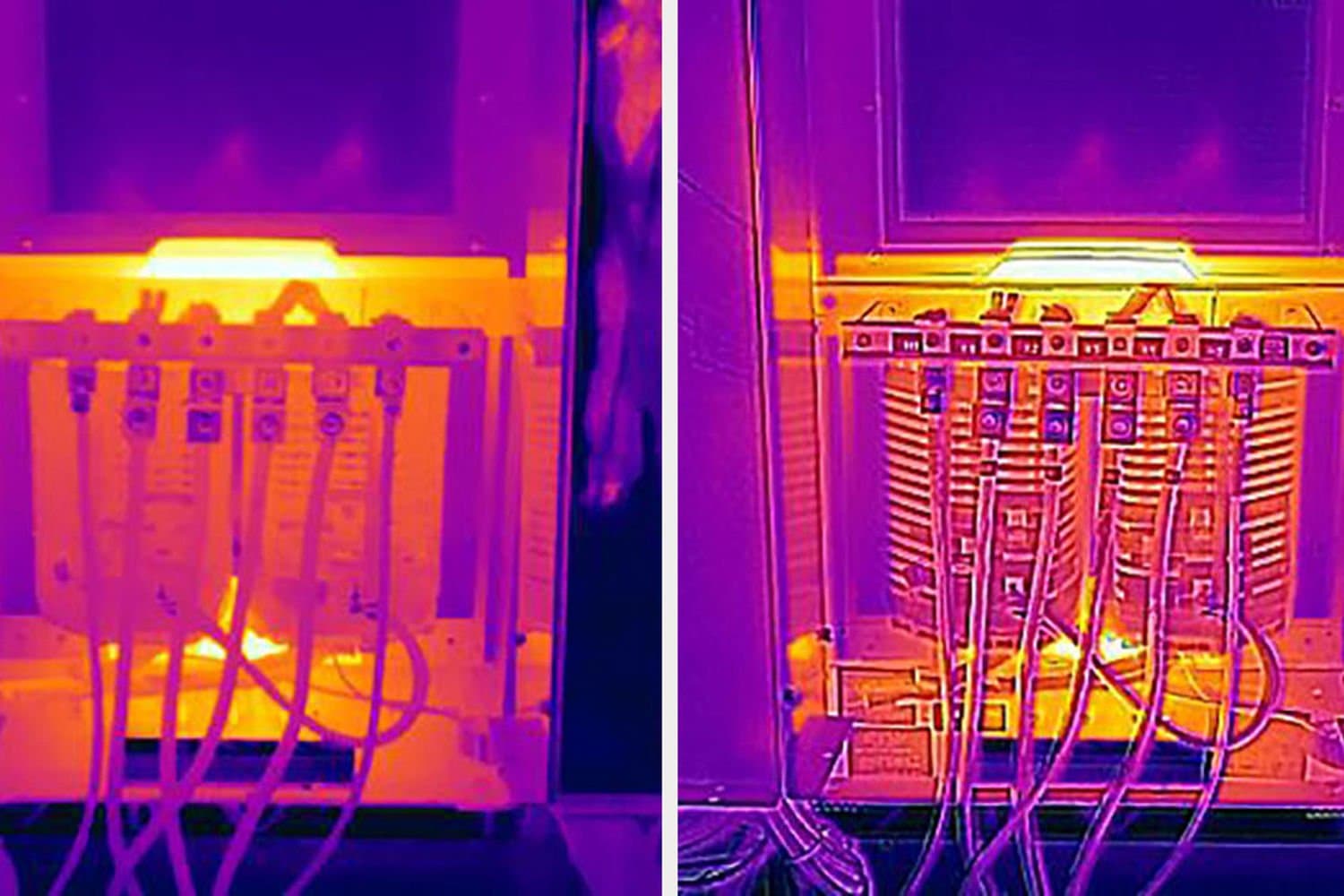
FLIR ONE Gen 3 Thermal Camera (Smartphone)
£190–£250See exactly where your home loses heat. Invaluable for prioritising insulation work before a heat pump install.
Stormguard Door Draught Seal Kit
£10–£18Draughty doors are one of the cheapest heat losses to fix. This kit seals one door completely.
Chimney Sheep Chimney Draught Excluder
£20–£35An open chimney loses as much heat as leaving a window open. This is one of the best draught-proofing investments.
Everbuild Expanding Foam 750ml
£6–£10Seal gaps around pipes and cables entering the house — every small gap adds up to significant heat loss.
As an Amazon Associate we earn from qualifying purchases. Product prices and availability are accurate as of the date of publication and may change.