

For a gas-heated home in Great Britain. Pick the house type and tick what you already have; we show each remaining measure's cost, a year's saving at today's gas price and the payback. Loft, cavity and solid wall savings are what DESNZ measured on real homes' gas meters.
What do you already have?
Loft insulation: about £27 a year.
Saving: DESNZ's measured median for all homes, 3.2%, of a semi-detached house's median gas use (10,574 kWh), 338 kWh of gas at 7.97p. Cost £600 to £750 (topping up to bare loft; Energy Saving Trust, Great Britain). Payback about 25 years.
The spread is wide: in at least a quarter of the 1,486 homes measured, gas use rose against similar homes that didn't have the work. Metered savings include people choosing to keep a warmer home.
Get quotes.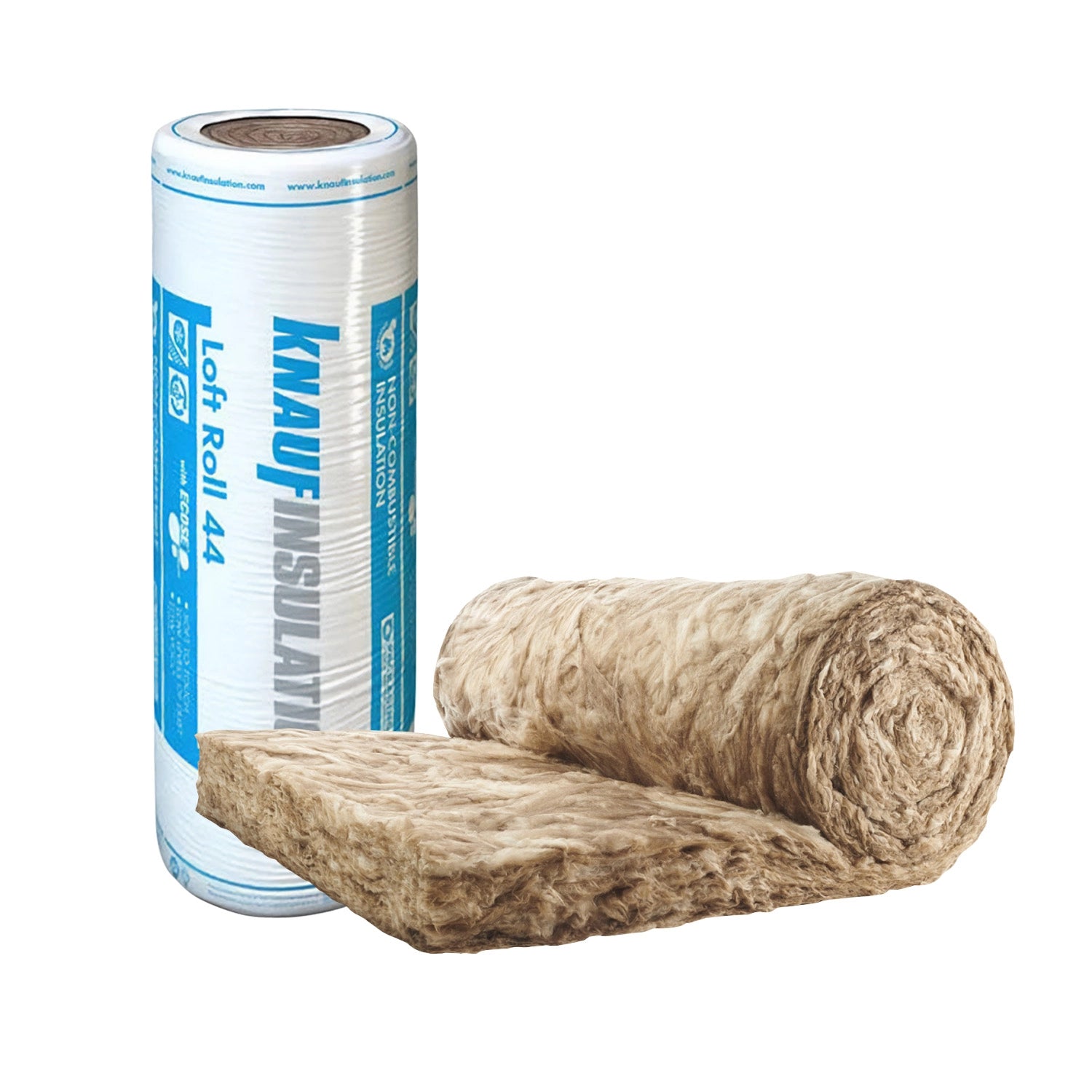
Cavity wall insulation: about £101 a year.
Saving: DESNZ's measured median for all homes, 12%, of a semi-detached house's median gas use (10,574 kWh), 1,269 kWh of gas at 7.97p. Cost £2,200 (Energy Saving Trust, a typical home). Payback about 22 years.
The spread is wide: in at least a quarter of the 2,191 homes measured, gas use rose against similar homes that didn't have the work. Metered savings include people choosing to keep a warmer home.
Get quotes.Solid wall insulation: about £146 a year.
Saving: DESNZ's measured median for all homes, 17.3%, of a semi-detached house's median gas use (10,574 kWh), 1,829 kWh of gas at 7.97p. Cost £12,000 to £15,000 (internal to external; Energy Saving Trust semi, scaled by us for other homes). Payback about 92 years.
The spread is wide: in at least a quarter of the 2,411 homes measured, gas use rose against similar homes that didn't have the work. Metered savings include people choosing to keep a warmer home.
Get quotes.Floor insulation (suspended timber floor): about £55 a year.
Saving: Energy Saving Trust. Cost £1,400 to £2,500 (Energy Saving Trust). Payback about 35 years.
Get quotes.Draught proofing: about £55 a year.
Saving: Energy Saving Trust, windows, floors and doors. Cost £250 (Energy Saving Trust, windows and doors done professionally; DIY is cheaper). Payback about 5 years.
Draught proofing an unused chimney: about £45 a year.
Saving: Energy Saving Trust. Cost £150 (Energy Saving Trust: chimney caps from £150). Payback about 3 years.
A-rated double glazing, replacing single: about £85 a year.
Saving: Energy Saving Trust. Cost £4,800 (Energy Saving Trust semi, scaled by us for other homes). Payback about 56 years.
Hot water cylinder jacket: about £45 a year.
Saving: Energy Saving Trust, an 80mm jacket over 25mm of foam. Cost £30 (Energy Saving Trust). Payback about 1 year.
How we worked this out
Loft, cavity and solid wall: DESNZ's National Energy Efficiency Data-Framework, the median first-year percentage gas saving for all homes that had the measure installed mid-May 2023 to mid-May 2024 in England and Wales, against similar homes without the work. We apply it to the median gas use of your house type (NEED) and price it at the Ofgem cap's 7.97p a kWh. DESNZ finds no systematic difference in savings between types of home. The loft figure covers every loft job, not just bare lofts.
The rest: the Energy Saving Trust's current figures for Great Britain. Costs are the Energy Saving Trust's; its current pages give one typical figure, which we show for a semi, and for other homes we use its older figures by house type or scale the semi by wall area. An end terrace takes the semi's figures. Northern Ireland has its own Energy Saving Trust figures and isn't on Ofgem's cap. Payback uses the middle of a cost range and ignores grants. Savings from more than one measure won't simply add up.
The Short Answer
Measured on real gas meters, DESNZ found a median first-year saving of 12% of gas from cavity wall insulation, 3.2% from loft insulation and 17.3% from solid wall insulation. For a semi using the median 10,574 kWh a year, that's about £101, £27 and £146 a year at today's price cap. Against the Energy Saving Trust's £2,200 for a typical home, cavity fill pays back in about 22 years.
The quick paybacks are the cheap jobs: a hot water cylinder jacket (about £30, saving £45 a year on the Energy Saving Trust's figures) and draught proofing. On these figures, the case for the big measures rests on comfort, your EPC or a grant more than on the bill.
What Insulation Saves, Measured
DESNZ's National Energy Efficiency Data-Framework (NEED) compares the gas use of homes in England and Wales that had a measure installed mid-May 2023 to mid-May 2024 with similar homes that didn't. The median first-year savings across all homes:
| Measure | Median saving | Homes measured | On a semi using 10,574 kWh |
|---|---|---|---|
| Cavity wall | 12% | 2,191 | 1,269 kWh, £101 |
| Loft | 3.2% | 1,486 | 338 kWh, £27 |
| Solid wall | 17.3% | 2,411 | 1,829 kWh, £146 |
DESNZ says there's generally no sign of systematic differences in savings between types of home, so the calculator applies these percentages to your house type's median gas use rather than using its by-type figures, which swing with small samples. The spread is wide: for each measure the lower quartile is a rise, so in at least a quarter of homes gas use went up against the comparison group. DESNZ gives two reasons the figure can understate the effect: some comparison homes may have had work done that isn't recorded, and households may heat a warmer home to a higher temperature (comfort taking). The loft figure covers every loft job, top-ups included; the Energy Saving Trust puts a top-up from 120mm at about £17 a year. These are England and Wales figures; DESNZ's Scottish tables don't cover insulation.
The Cheap Wins
- Hot water cylinder jacket: about £30; an 80mm jacket over a cylinder with 25mm of foam saves about £45 a year (Energy Saving Trust). Pays back inside a year.
- Draught proofing: about £250 to have windows and doors done professionally; the Energy Saving Trust puts the saving from windows, floors and doors at about £55 a year. Doing it yourself is cheaper.
- An unused chimney: a cap from about £150, saving about £45 a year (Energy Saving Trust).
The Big Measures
- Cavity wall insulation: £2,200 for a typical home (Energy Saving Trust), about £101 a year for a median semi, so about 22 years.
- Loft insulation: £600 to top up or £750 for a bare loft (Energy Saving Trust, Great Britain). Our view: a bare loft is where the money is; a top-up mostly buys comfort.
- Solid wall insulation: £12,000 internal to £15,000 external for a semi, saving about £146 a year: about 82 years at the internal price, so it needs a grant to make sense on money alone.
- Floor insulation (suspended timber): £1,400 to £2,500, about £55 a year, so about 35 years at the middle of the range.
- A-rated double glazing replacing single: about £4,800 for a semi, about £85 a year: about 56 years. On money alone it doesn't add up.
These are Great Britain figures. In Northern Ireland the Energy Saving Trust's costs are different (cavity fill around £1,000, a bare loft £1,100) and Ofgem's price cap doesn't apply.
Grants That Can Cover the Cost
- ECO4 (England, Scotland and Wales, until 31 December 2026): through energy suppliers for households on certain benefits, with homes rated D to G if you own them, E to G if you rent privately (with the owner's permission), and social housing rated E to G.
- Warm Homes: Local Grant (England): homes rated D to G with a household income usually of £36,000 or less, where your council has funding.
- Scotland: Home Energy Scotland grants for homeowners of up to £1,500 for loft, cavity or underfloor insulation and up to £7,500 for solid walls, within up to 75% of the cost, with an optional interest-free loan.
- Wales: Nest offers free improvements to eligible households.
- Northern Ireland: NISEP gives free insulation for household incomes under £33,000 (single) or £40,000 (couple), and 40% off up to £650 a measure at any income; Affordable Warmth helps households under £23,000.
See England, Scotland, Wales and Northern Ireland for the details.
The Order We'd Do It In
Our view: do the cheap wins first, because they pay back quickly. Then fill empty cavities and insulate a bare loft, which do the most per pound of the bigger jobs, especially if a grant covers them. Leave glazing and solid walls until there's a grant, or a reason beyond the bill. If a heat pump is coming, do the insulation before the heat loss survey, so the heat pump is sized for the house you'll have; our EPC calculator shows what each measure does to the rating.
Frequently Asked Questions
DIY Insulation Products
For the jobs you can do yourself: a cylinder jacket, door draught strips and loft roll for a top-up.
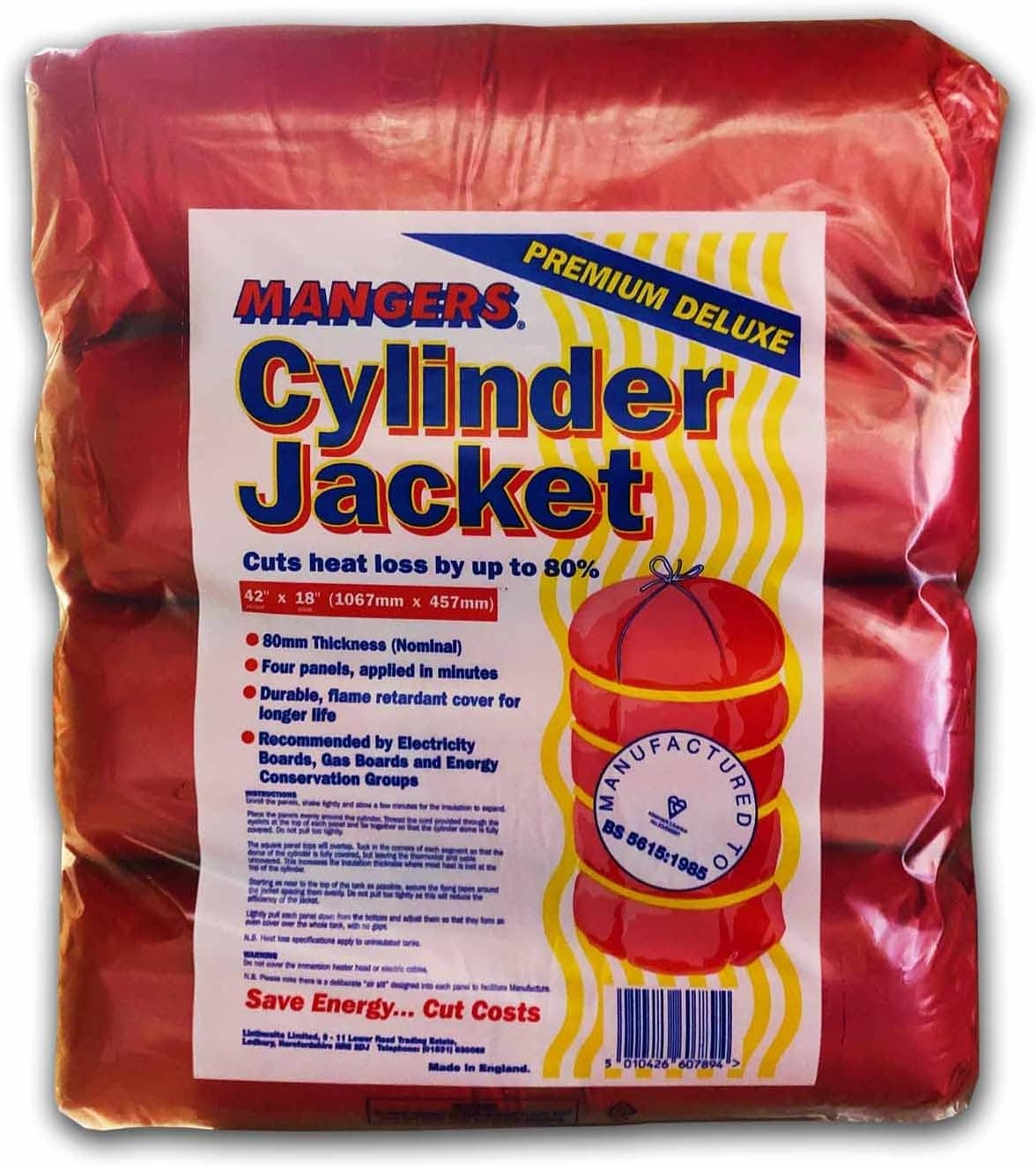
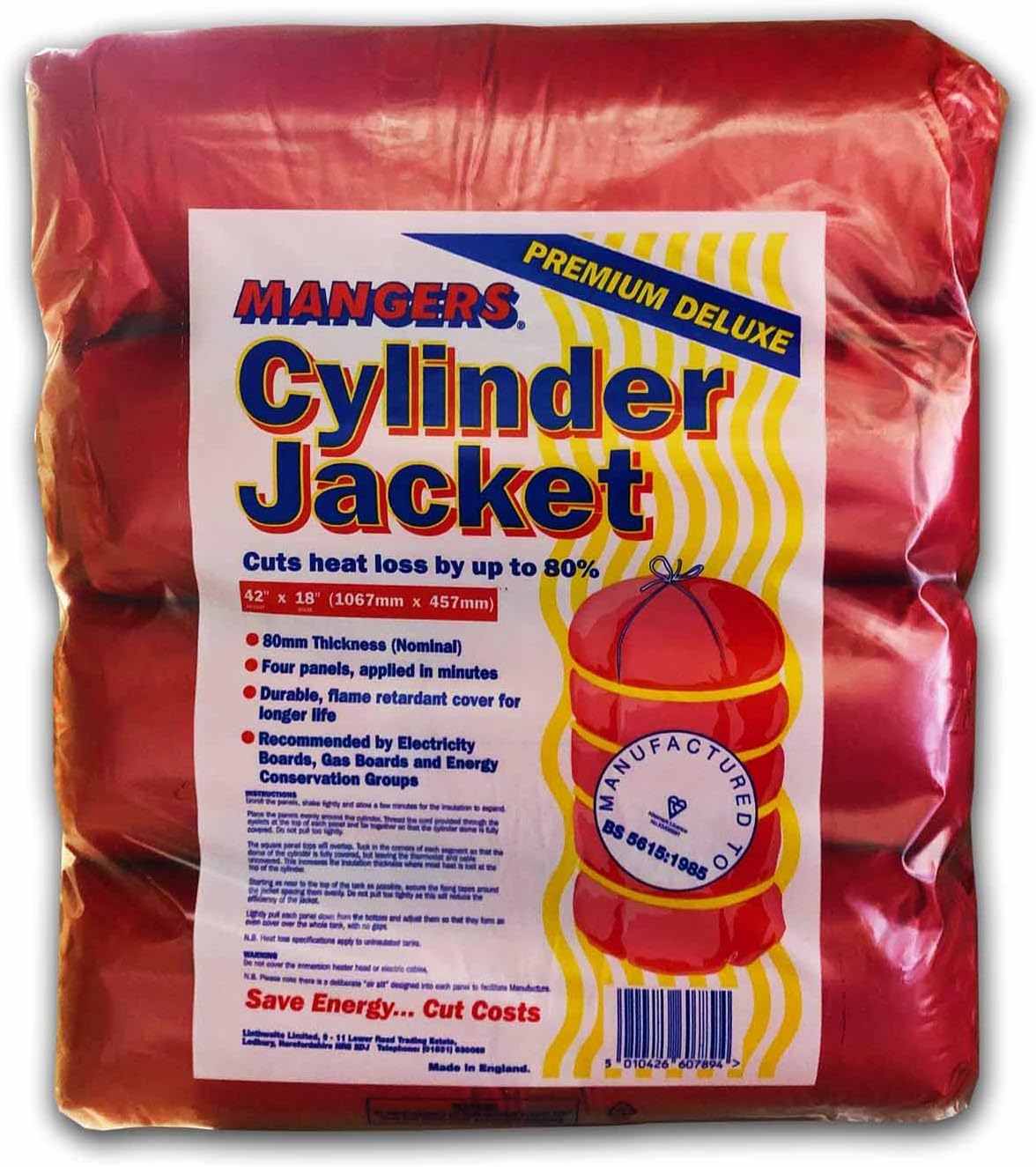
Mangers Hot Water Cylinder Jacket
£32.99An uninsulated cylinder loses heat 24/7. A jacket pays for itself in under a year.
80mm / fits standard cylindersFind on Amazon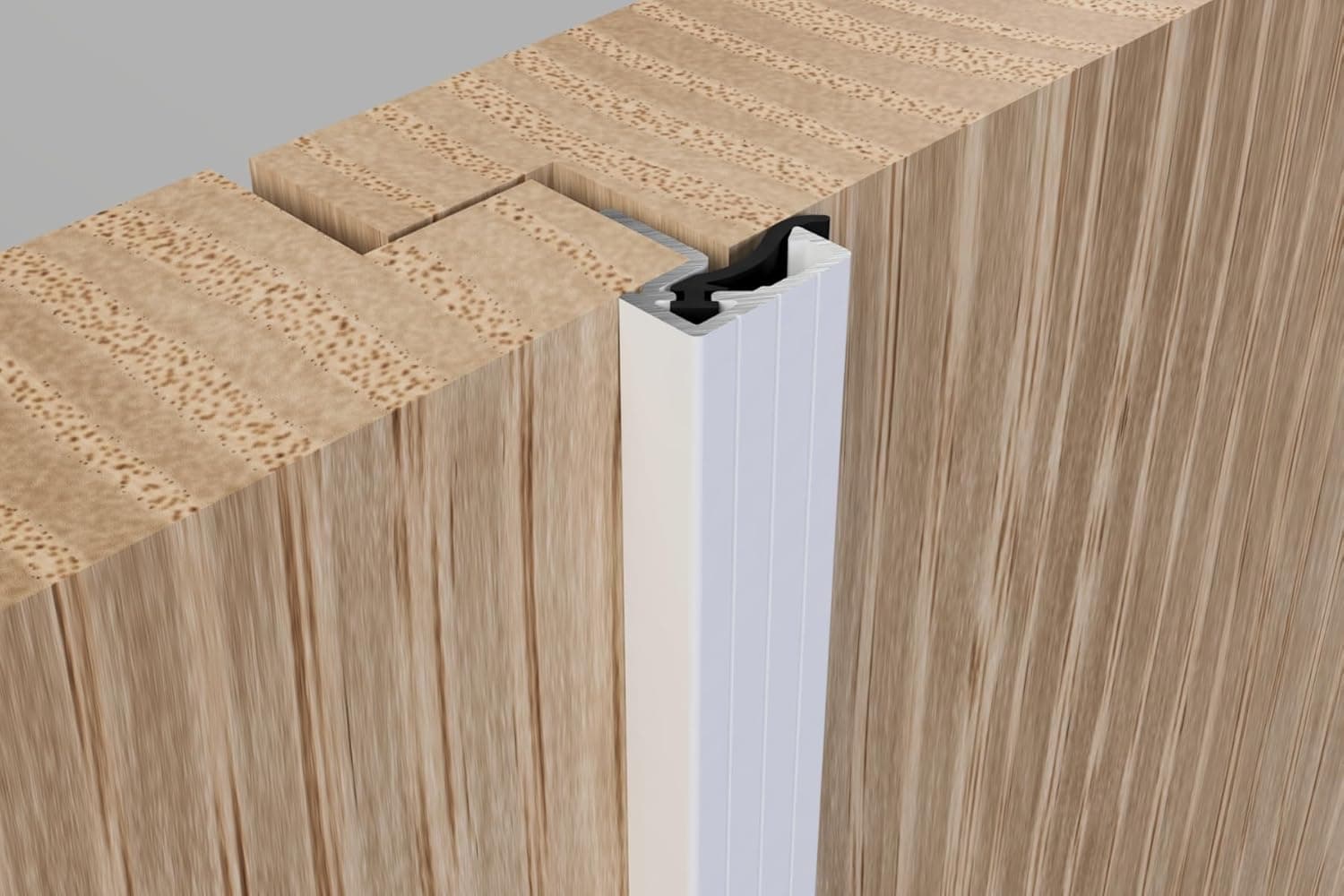
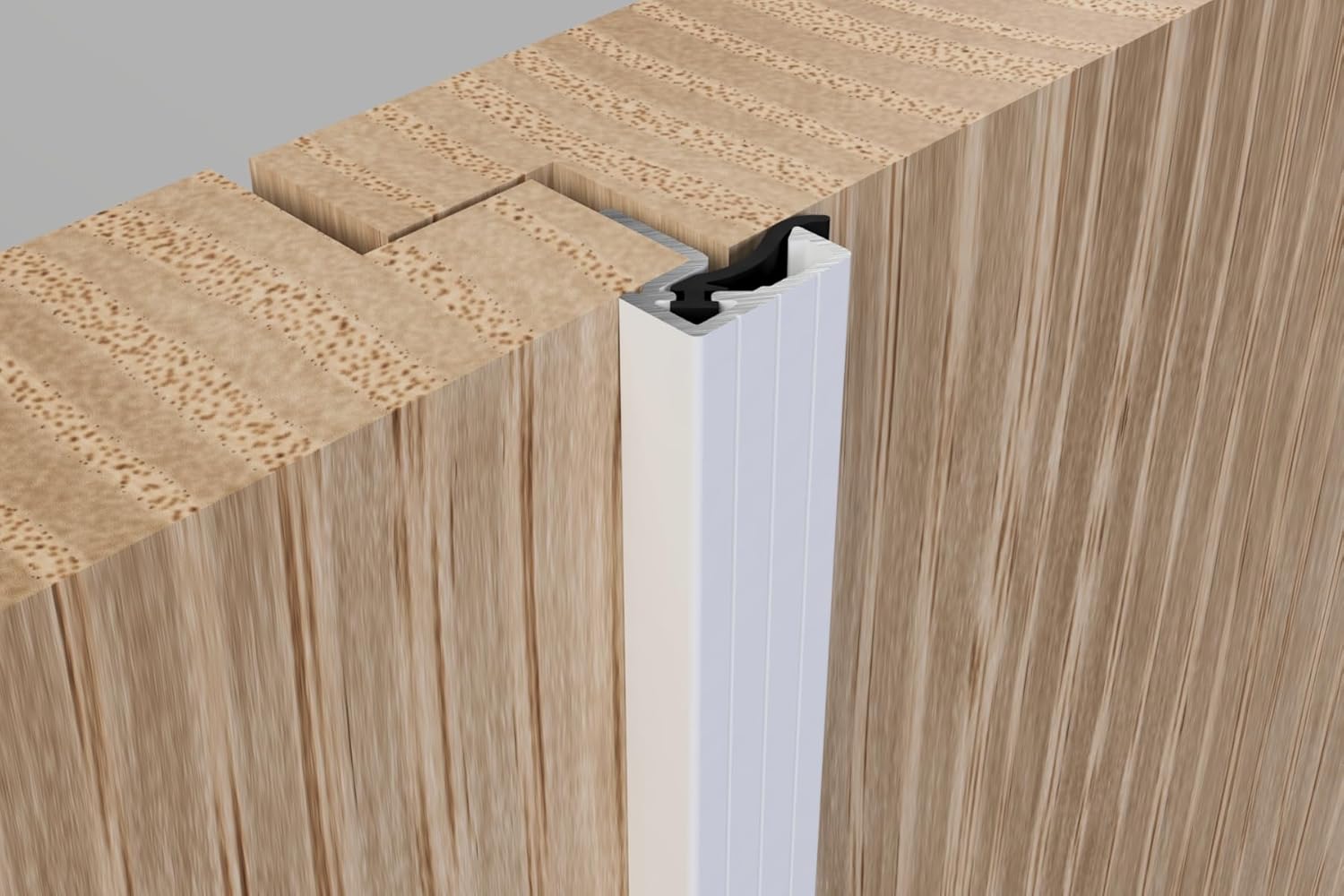
Stormguard Double Door Seal
£26.39Seals the gap around a door when it closes. The Energy Saving Trust puts the saving from draught proofing windows, floors and doors at about £55 a year.
Aluminium rebate sealFind on Amazon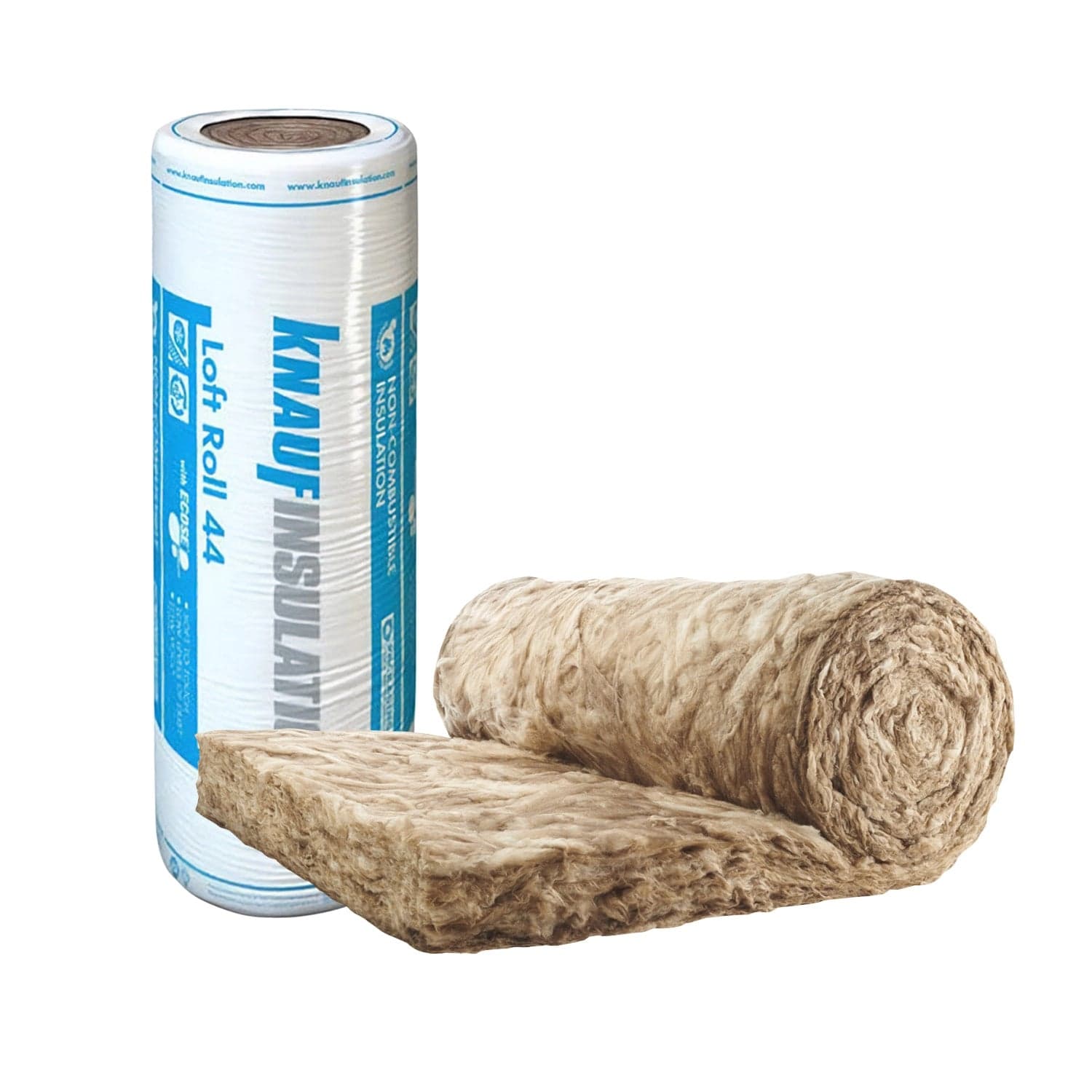
Knauf Loft Roll 44: 170mm
£50.99Top up existing loft insulation to reach the recommended 270mm, or lay it in a bare loft, where the saving is bigger.
170mm / 0.044 W/mKFind on AmazonAs an Amazon Associate we earn from qualifying purchases. Prices and stock are checked against Amazon every few hours and may have changed since.