Home Insulation: The Complete UK Guide
Cavity wall, loft, solid wall, and floor insulation guides: costs, grants, and DIY options for UK homes.
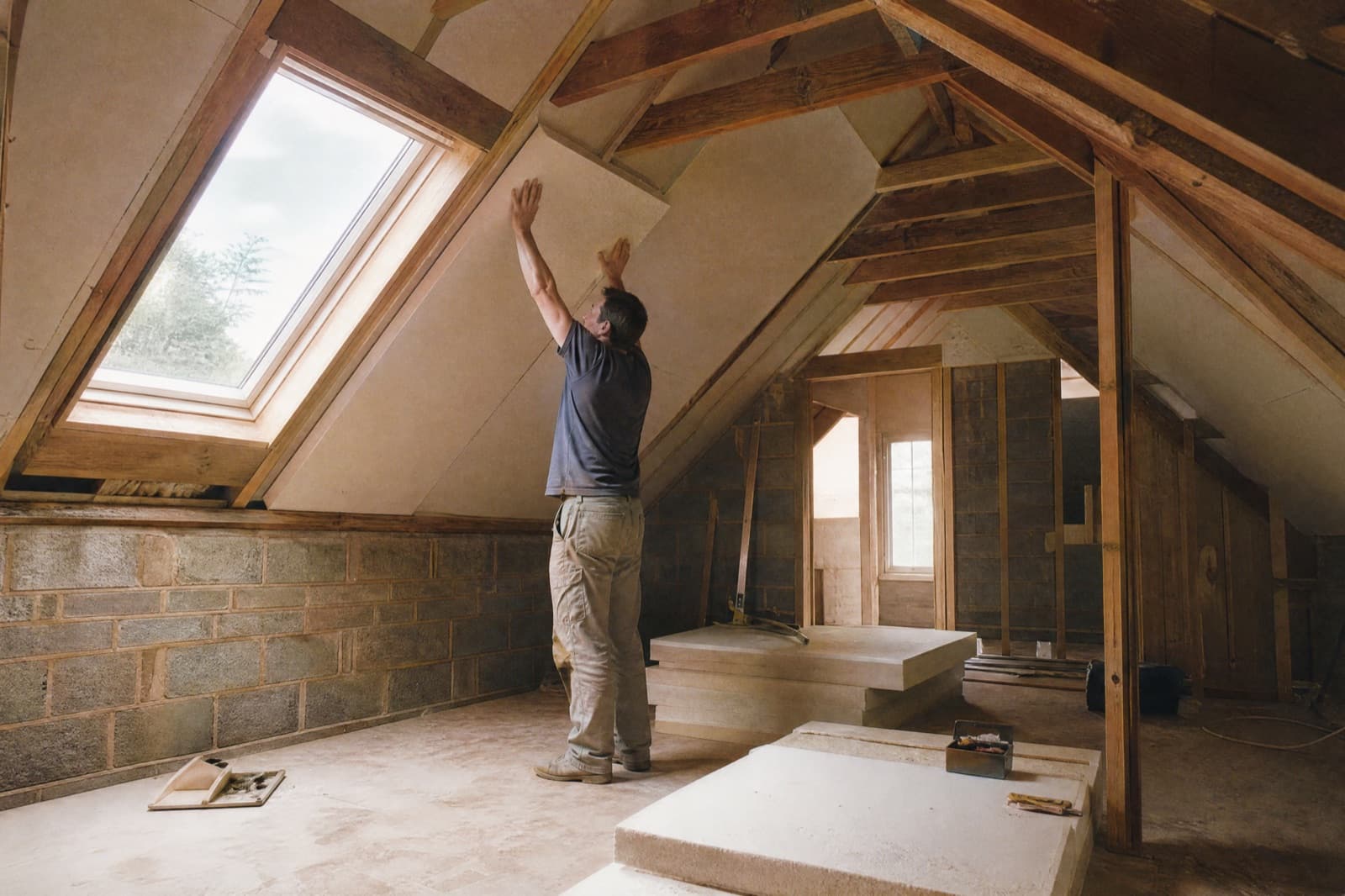
Our view: before a heat pump, do the cheap insulation first. Less heat lost through the walls and roof can mean a smaller heat pump, lower running costs and a warmer house from day one.
ECO4 can fund insulation for eligible households until 31 December 2026, and in England the Warm Homes: Local Grant can too; the Great British Insulation Scheme closed on 31 March 2026. At full price the paybacks are long: DESNZ measured a median 12% gas saving from cavity wall insulation, about 22 years on a semi. The table below has the rest.
Work out what's worth doing first
Price each measure for your house, see which pays back fastest, and check how far it would move your EPC rating.
1. Your home
The house type sets the size of the job, and so the cost.
2. When was it built?
The age is a guide to whether the walls are cavity or solid.
Estimated annual saving
£238a year
Total cost across the measures likely to apply: £4,600 to £5,700. 3 of these measures are on a grant scheme's list if you qualify.
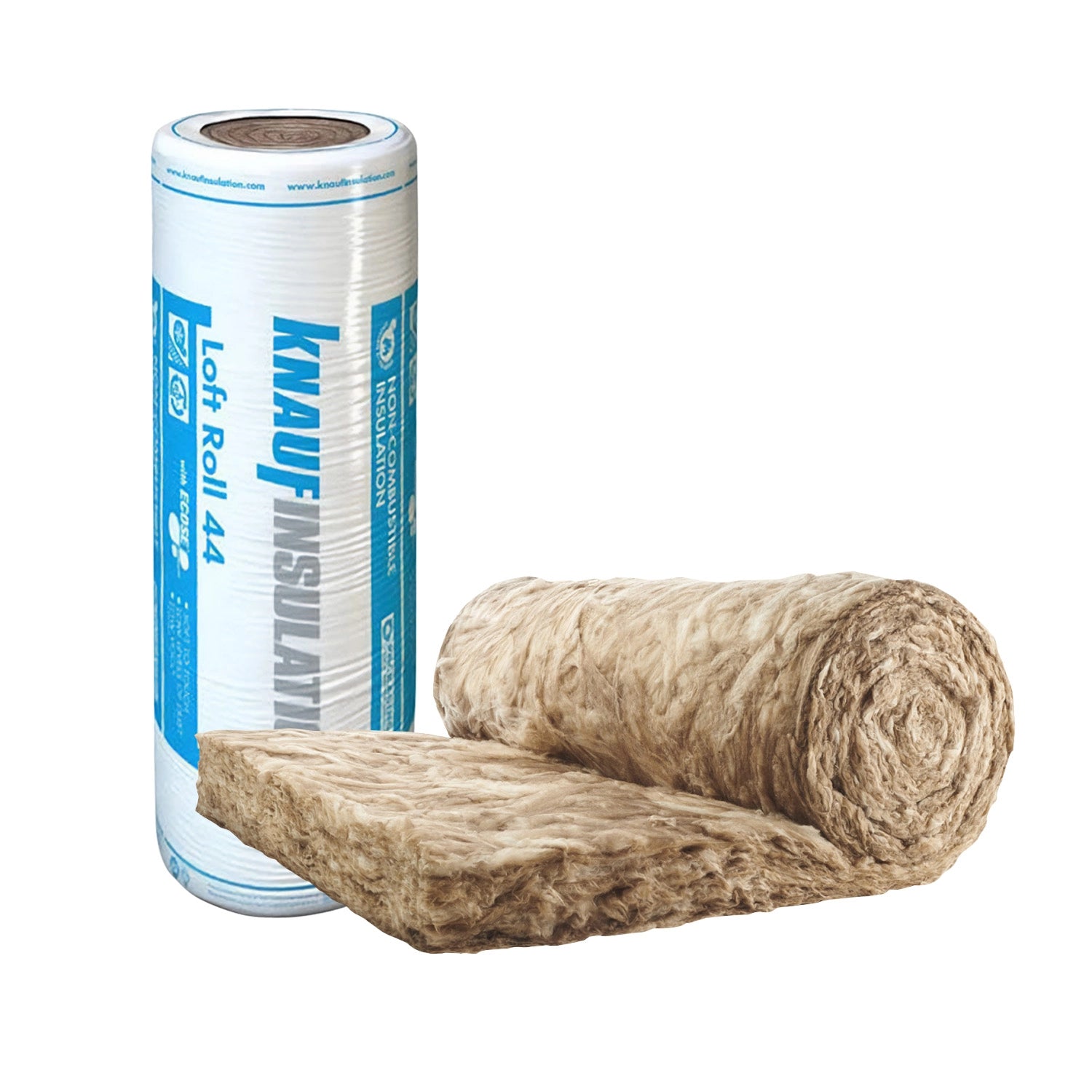
Loft insulation (bare loft to 270mm)
Grant availableECO4 (until 31 December 2026) can fund it for some households on benefits. In England the Warm Homes: Local Grant can pay for it for eligible households.
- Cost
- £750
- Save
- £27/yr
- Payback
- ~27.8 yrs
Cavity wall insulation
Grant availableECO4 (until 31 December 2026) can fund it for some households on benefits. In England the Warm Homes: Local Grant can pay for it for eligible households.
- Cost
- £2,200
- Save
- £101/yr
- Payback
- ~21.8 yrs
Floor insulation (suspended timber)
Grant availableIn England the Warm Homes: Local Grant can pay for it for eligible households: underfloor insulation is on its list.
- Cost
- £1,400 to £2,500
- Save
- £55/yr
- Payback
- ~35.5 yrs
Draught proofing
- Cost
- £250
- Save
- £55/yr
- Payback
- ~4.5 yrs

Probably not for a home of this age (check your EPC)
Solid wall insulation (internal to external)
Homes built from the 1920s are more likely to have cavity walls (Energy Saving Trust), but not all do. Check your EPC: if it says solid brick, this applies to you.
Ready to get real prices?
Get free quotes from approved insulation installers for your specific property. Takes about 60 seconds, no obligation.
Costs: Energy Saving Trust, Great Britain; its current pages give one typical figure, and other house types use its older figures by house type, with solid wall scaled from the semi by wall area (our scaling). Savings: DESNZ's measured median for all homes (cavity 12%, loft 3.2% across all loft jobs, solid wall 17.3%) on the house type's median gas use in England and Wales, at the 7.97p cap rate; floor and draught proofing are the Energy Saving Trust's. Gas-heated homes. Get three quotes for your actual price.
For a gas-heated home in Great Britain. Pick the house type and tick what you already have; we show each remaining measure's cost, a year's saving at today's gas price and the payback. Loft, cavity and solid wall savings are what DESNZ measured on real homes' gas meters.
What do you already have?
Loft insulation: about £27 a year.
Saving: DESNZ's measured median for all homes, 3.2%, of a semi-detached house's median gas use (10,574 kWh), 338 kWh of gas at 7.97p. Cost £600 to £750 (topping up to bare loft; Energy Saving Trust, Great Britain). Payback about 25 years.
The spread is wide: in at least a quarter of the 1,486 homes measured, gas use rose against similar homes that didn't have the work. Metered savings include people choosing to keep a warmer home.
Get quotes.Cavity wall insulation: about £101 a year.
Saving: DESNZ's measured median for all homes, 12%, of a semi-detached house's median gas use (10,574 kWh), 1,269 kWh of gas at 7.97p. Cost £2,200 (Energy Saving Trust, a typical home). Payback about 22 years.
The spread is wide: in at least a quarter of the 2,191 homes measured, gas use rose against similar homes that didn't have the work. Metered savings include people choosing to keep a warmer home.
Get quotes.Solid wall insulation: about £146 a year.
Saving: DESNZ's measured median for all homes, 17.3%, of a semi-detached house's median gas use (10,574 kWh), 1,829 kWh of gas at 7.97p. Cost £12,000 to £15,000 (internal to external; Energy Saving Trust semi, scaled by us for other homes). Payback about 92 years.
The spread is wide: in at least a quarter of the 2,411 homes measured, gas use rose against similar homes that didn't have the work. Metered savings include people choosing to keep a warmer home.
Get quotes.Floor insulation (suspended timber floor): about £55 a year.
Saving: Energy Saving Trust. Cost £1,400 to £2,500 (Energy Saving Trust). Payback about 35 years.
Get quotes.Draught proofing: about £55 a year.
Saving: Energy Saving Trust, windows, floors and doors. Cost £250 (Energy Saving Trust, windows and doors done professionally; DIY is cheaper). Payback about 5 years.
Draught proofing an unused chimney: about £45 a year.
Saving: Energy Saving Trust. Cost £150 (Energy Saving Trust: chimney caps from £150). Payback about 3 years.
A-rated double glazing, replacing single: about £85 a year.
Saving: Energy Saving Trust. Cost £4,800 (Energy Saving Trust semi, scaled by us for other homes). Payback about 56 years.
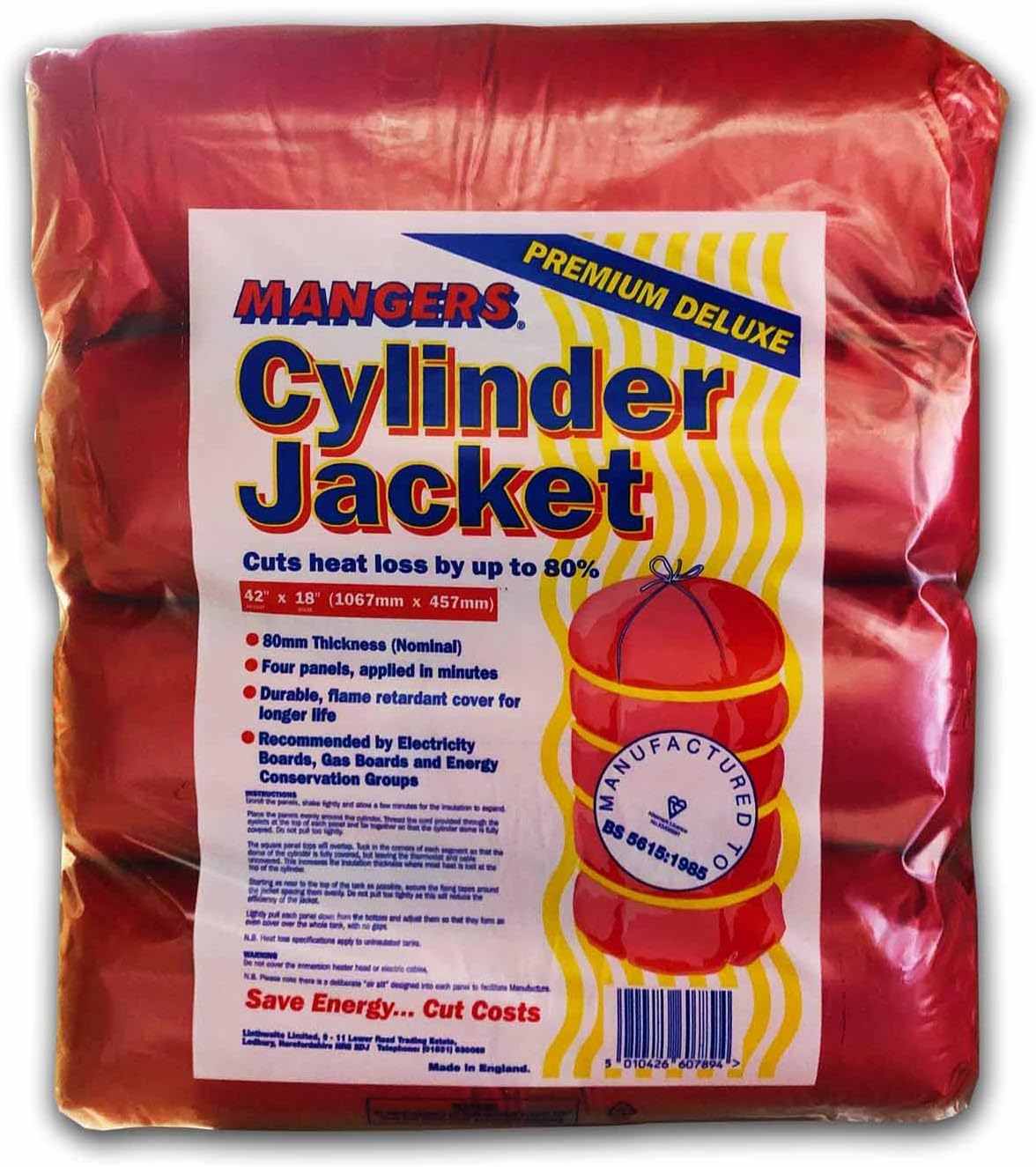
Hot water cylinder jacket: about £45 a year.
Saving: Energy Saving Trust, an 80mm jacket over 25mm of foam. Cost £30 (Energy Saving Trust). Payback about 1 year.
How we worked this out
Loft, cavity and solid wall: DESNZ's National Energy Efficiency Data-Framework, the median first-year percentage gas saving for all homes that had the measure installed mid-May 2023 to mid-May 2024 in England and Wales, against similar homes without the work. We apply it to the median gas use of your house type (NEED) and price it at the Ofgem cap's 7.97p a kWh. DESNZ finds no systematic difference in savings between types of home. The loft figure covers every loft job, not just bare lofts.
The rest: the Energy Saving Trust's current figures for Great Britain. Costs are the Energy Saving Trust's; its current pages give one typical figure, which we show for a semi, and for other homes we use its older figures by house type or scale the semi by wall area. An end terrace takes the semi's figures. Northern Ireland has its own Energy Saving Trust figures and isn't on Ofgem's cap. Payback uses the middle of a cost range and ignores grants. Savings from more than one measure won't simply add up.
Use your certificate: it gives the current score (a number from 1 to 100) and the total floor area. We estimate how many points each upgrade adds by working out, roughly the way an EPC does, what it does to the home's modelled running cost. For houses only.
Band D. We start at 62, the middle of D.
Getting to C
About £4,700 for 7 or more points.
The cheapest combination on our estimates: air source heat pump. That takes the score to about 70.
Each upgrade on its own
Points are estimates for this home from its current score. Done together, upgrades don't simply add up; the route above works out the combination.
Solar panels (4kWp): about 19 points.
Cost £6,200 to £6,600 (DESNZ 2025/26, median of all installs to mean for homes).
Get quotes.Air source heat pump: about 8 points.
Cost £4,700 (DESNZ median for 7kW, after the £7,500 grant in England and Wales). Part of the cheapest route above.
Get quotes.New A-rated double glazing: about 2 points.
Cost £4,800 (Energy Saving Trust semi, scaled by us for your window area).
Loft insulation to 270mm: about 1 point.
Cost £600 (Energy Saving Trust, topping up from 120mm).
Get quotes.How we worked this out
An EPC for an existing home is an RdSAP 10 assessment. Its score comes from the home's modelled energy cost at fixed prices (BRE's RdSAP 10 specification: gas 3.48p a kWh plus a £120 standing charge, electricity 13.19p, solar generation valued at 13.19p), not from your bills. We work back from your score to that cost, then estimate what each upgrade does to it.
Insulation and windows: the change in heat loss from our heat loss model (RdSAP 10 default U-values), over a year of UK-average weather from SAP 10.2 with heating from October to May (our approximation of SAP's monthly method). Boilers: SAP 10.2's default efficiencies for boilers not in the product database (84% condensing, 74% non-condensing from 1998, 66% for older ones with an open or balanced flue); an assessor uses your boiler's listed figure if it has one. Heat pump: our standard SCOP for heating and hot water; an assessor uses the product's own tested figures, with hot water worked out separately. Solar: 4kWp at 830 kWh per kWp, the middle of the 720 to 940 SAP 10.2 gives for a well-placed array. We count the whole modelled cost, less the gas standing charge, as heating and hot water, though SAP also counts lighting and pumps.
Your assessor's software will give the real figure, and your certificate lists its own recommendations with the rating after each. Costs: Energy Saving Trust figures where it publishes them, DESNZ for heat pumps, our estimates for boilers and solar.
Bottom line
Our view: do the cheap jobs first, then fill an empty cavity and a bare loft, ideally with a grant.
Insulation measures at a glance
Costs: Energy Saving Trust (Great Britain; solid wall for a semi). Savings: DESNZ's measured medians on a semi at today's price cap, or the Energy Saving Trust's where it publishes one. Highlighted rows are where we'd start.
| Measure | Cost | Annual saving | Payback |
|---|---|---|---|
| Draught proofing | about £250 done for you | £55, plus £45 for a chimney | about 5 yrs |
| Cavity wall fill | £2,200 | about £101 | about 22 yrs |
| Loft, bare to 270mm | £750 | £27 to £190 | 4 to 28 yrs |
| Loft top-up, 120mm to 270mm | £600 | £17 | about 35 yrs |
| Floor, suspended timber | £1,400 to £2,500 | £55 | about 35 yrs |
| Solid wall (internal) | £12,000 | about £146 | about 82 yrs |
| Solid wall (external) | £15,000 | about £146 | about 103 yrs |
Work out which measures pay back fastest for your home
Insulation is a portfolio choice rather than a single big install. Start by costing the options for your house and running the calculator to see which ones pay back fastest, with grants factored in.
 Guide

The big jobs: loft, walls and floors
Our view: do a bare loft and an empty cavity first. Cavity fill takes about 22 years to pay back at full price on DESNZ's measured savings, and both can be grant-funded. Solid walls and floors are comfort jobs unless a grant pays.
 Guide
 Guide
Get it paid for: grants in all four nations
Free insulation still exists, but the rules differ by nation and two schemes have closed or are closing. Each page has a checker built on the scheme's own published rules.
DIY quick wins (and what's worth buying)
A weekend of draught proofing and pipe lagging will often save more than a smart thermostat. Here are the products we'd actually buy, the ones we wouldn't, and how to know which is which.
 Guide
 Guide


