Energy Efficiency: Cut Your Bills
EPC ratings, smart meters, whole-house retrofits, and practical ways to cut your energy bills.

You don't need to spend thousands to cut your energy bills. The Energy Saving Trust says turning the thermostat down from 22C to 21C could save about £120 a year, heating controls about £100, and draught proofing about £55.
Your EPC rating matters more than you might think too: your EPC isn't a gate for the big grants (the Boiler Upgrade Scheme doesn't ask for one at all), but a poor rating is what qualifies you for free insulation under ECO4, and from 1 October 2030 landlords will need a C, on a single compliance date covering new and existing tenancies alike. Think of energy efficiency as the foundation everything else builds on. Get this right first and every other upgrade (heat pumps, solar, batteries) works harder.
What does it actually cost to run?
Running costs at the current price cap for the things people ask us about most this time of year, plus what would lift your EPC rating.
What Will Your Electric Heater Actually Cost?
Pick the heater and how you'd really use it. Every electric heater is 100% efficient, so this is just wattage multiplied by hours: the answer is the same whatever the box claims.
Per hour
53p
Per day
£2.63
This winter
£315.84
Heat delivered
1200 kWh
The same heat, from somewhere else
Swapping this heater for a heated throw on the evenings you're sat still would save about £296.89 over the season. It won't heat the room, which is exactly the point: you only pay to warm the person.
Electricity 26.32p/kWh and gas 7.97p/kWh are the Ofgem price cap rates for 1 October to 31 December 2026 (average direct debit, England, Scotland and Wales). Electricity carries no VAT from 1 October 2026 to 31 March 2027; the gas figure includes 5% VAT. Gas comparison assumes a 90% efficient condensing boiler, the heat pump assumes a seasonal COP of 3.5. Your standing charge is payable either way, so it is not included.
Dehumidifier Running Cost Calculator
Pick a model and how you'll use it. Costs use the Ofgem price cap electricity rate of 26.32p/kWh (1 October to 31 December 2026).
Per day
32p
4p an hour at 152W
Per year
£58
8 hours a day for 6 months
Water it actually pulls out
4.48L/day
Meaco's figure at 20C and 60% humidity, running flat out
Costs assume the unit draws its full wattage for every hour it's on. In auto mode most units switch off once the room reaches the humidity you set, so a real bill is usually lower. Wattage source for this model: Meaco, at 20C and 60%rh. Desiccant dehumidifiers also give off most of that energy as heat, which warms the room slightly.
What Does Your Kettle Actually Cost?
Pick how you really fill it and how often it goes on. The kettle's wattage isn't an input because it doesn't change the answer: the energy to boil a given amount of water is fixed.
Filling for the cup you're actually making would save about £29.24a year. That's free, and it's bigger than any saving a new kettle can offer on its own.
Against your current habit above, at 4 boils a day. A kettle only saves money if it changes how much water you boil or what temperature you stop at.
Electricity 26.32p/kWh and gas 7.97p/kWh are the Ofgem price cap rates for 1 October to 31 December 2026 (average direct debit, England, Scotland and Wales); electricity carries no VAT from 1 October 2026 to 31 March 2027, the gas figure includes 5% VAT. Water is assumed to start at 15C and need 4.186 kJ per litre per C, plus 10% for steam and warming the kettle. Gas hob assumes 40% of the flame's heat reaches the water, induction 85%. Your standing charge is payable either way, so it is not included.
Use your certificate: it gives the current score (a number from 1 to 100) and the total floor area. We estimate how many points each upgrade adds by working out, roughly the way an EPC does, what it does to the home's modelled running cost. For houses only.
Band D. We start at 62, the middle of D.
Getting to C
About £4,700 for 7 or more points.
The cheapest combination on our estimates: air source heat pump. That takes the score to about 70.
Each upgrade on its own
Points are estimates for this home from its current score. Done together, upgrades don't simply add up; the route above works out the combination.
Solar panels (4kWp): about 19 points.
Cost £6,200 to £6,600 (DESNZ 2025/26, median of all installs to mean for homes).
Get quotes.Air source heat pump: about 8 points.
Cost £4,700 (DESNZ median for 7kW, after the £7,500 grant in England and Wales). Part of the cheapest route above.
Get quotes.New A-rated double glazing: about 2 points.
Cost £4,800 (Energy Saving Trust semi, scaled by us for your window area).
Loft insulation to 270mm: about 1 point.
Cost £600 (Energy Saving Trust, topping up from 120mm).
Get quotes.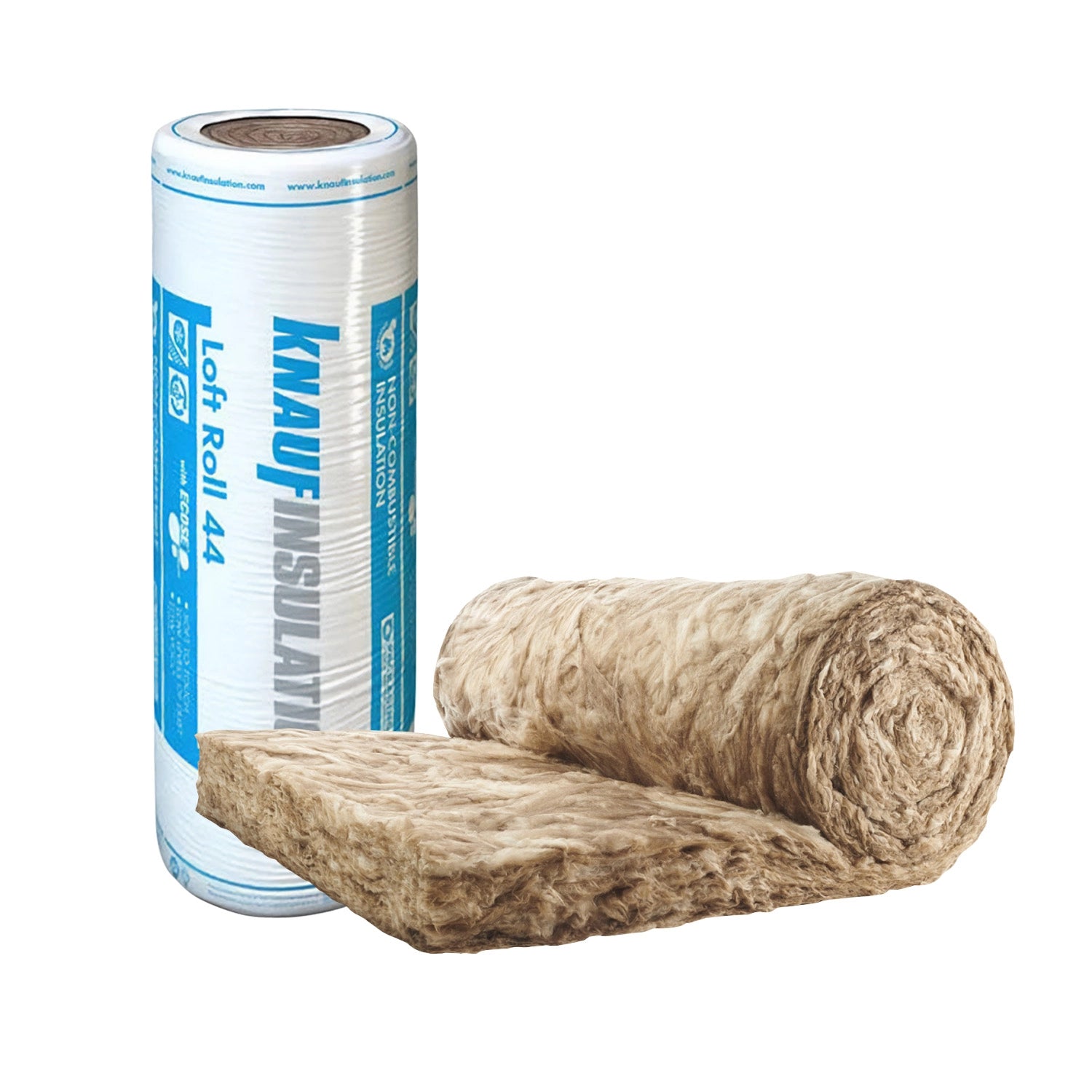
How we worked this out
An EPC for an existing home is an RdSAP 10 assessment. Its score comes from the home's modelled energy cost at fixed prices (BRE's RdSAP 10 specification: gas 3.48p a kWh plus a £120 standing charge, electricity 13.19p, solar generation valued at 13.19p), not from your bills. We work back from your score to that cost, then estimate what each upgrade does to it.
Insulation and windows: the change in heat loss from our heat loss model (RdSAP 10 default U-values), over a year of UK-average weather from SAP 10.2 with heating from October to May (our approximation of SAP's monthly method). Boilers: SAP 10.2's default efficiencies for boilers not in the product database (84% condensing, 74% non-condensing from 1998, 66% for older ones with an open or balanced flue); an assessor uses your boiler's listed figure if it has one. Heat pump: our standard SCOP for heating and hot water; an assessor uses the product's own tested figures, with hot water worked out separately. Solar: 4kWp at 830 kWh per kWp, the middle of the 720 to 940 SAP 10.2 gives for a well-placed array. We count the whole modelled cost, less the gas standing charge, as heating and hot water, though SAP also counts lighting and pumps.
Your assessor's software will give the real figure, and your certificate lists its own recommendations with the rating after each. Costs: Energy Saving Trust figures where it publishes them, DESNZ for heat pumps, our estimates for boilers and solar.
Bottom line
Our view: do the cheap fixes first. They pay back fastest.
The savings ladder: where to start
Energy Saving Trust costs and savings, DESNZ measured insulation savings on a semi, and our heat pump and solar models at today's price cap. Highlighted rows are where we'd start.
| Upgrade | Cost | Annual saving | Payback |
|---|---|---|---|
| Draught proofing | about £250 done for you | £55, plus £45 for a chimney | about 5 yrs |
| Heating controls (programmer, thermostat, valves) | about £600 | £100 | about 6 yrs |
| Solar panels (4kW) | £6,200 to £6,600 | about £599 | about 10 yrs |
| Heat pump, boiler due anyway (after the grant) | £3,628 to £8,127 | £130 to £320 | 6 to 7 yrs on a heat pump tariff, 14 to 15 without |
| Cavity wall fill | £2,200 | about £101 | about 22 yrs |
| Loft, bare to 270mm | £750 | £27 to £190 | 4 to 28 yrs |
| Loft top-up, 120mm to 270mm | £600 | £17 | about 35 yrs |
Get your bearings, then check your EPC
The home-energy overview gives you the order to do things in. Run the EPC calculator to see which combination of upgrades gets your house to a C, and bleed the radiators while you're at it (15 minutes, free).
Guide
Improving your EPC, by current rating
Find your big spenders
You can't cut what you can't measure. A monitor shows what the whole house uses; a smart plug shows one appliance.
 Guide
 Guide
Appliances that earn their keep
A heated airer plus a dehumidifier can replace the tumble dryer; each guide shows what it costs to run at today's price cap. Booster fans and portable AC suit particular rooms.
 Guide
 Guide


