
EPC Rating Improvement Calculator
See which energy upgrades will improve your EPC rating the most. 11 measures ranked by SAP impact with costs, savings, grants, and product recommendations.
Enter your current EPC rating and tick what you already have installed. The calculator ranks the remaining upgrades by EPC impact and shows cost, annual savings, and grant eligibility for each.
What do you already have installed?
Current rating
D (55–68 SAP)
Projected rating
A (92–100 SAP)
Total annual saving
£2,158
Total investment
£32,553
Upgrades recommended
11
Upgrades ranked by EPC impact
Install cost
£9,000 – £12,000
Annual saving
£300 – £650
Payback
~22.1 yrs
£7,500 BUS grant available (England/Wales)
Install cost
£650 – £900
Annual saving
£190 – £190
Payback
~4.1 yrs
ECO4 may fund this fully until 31 December 2026
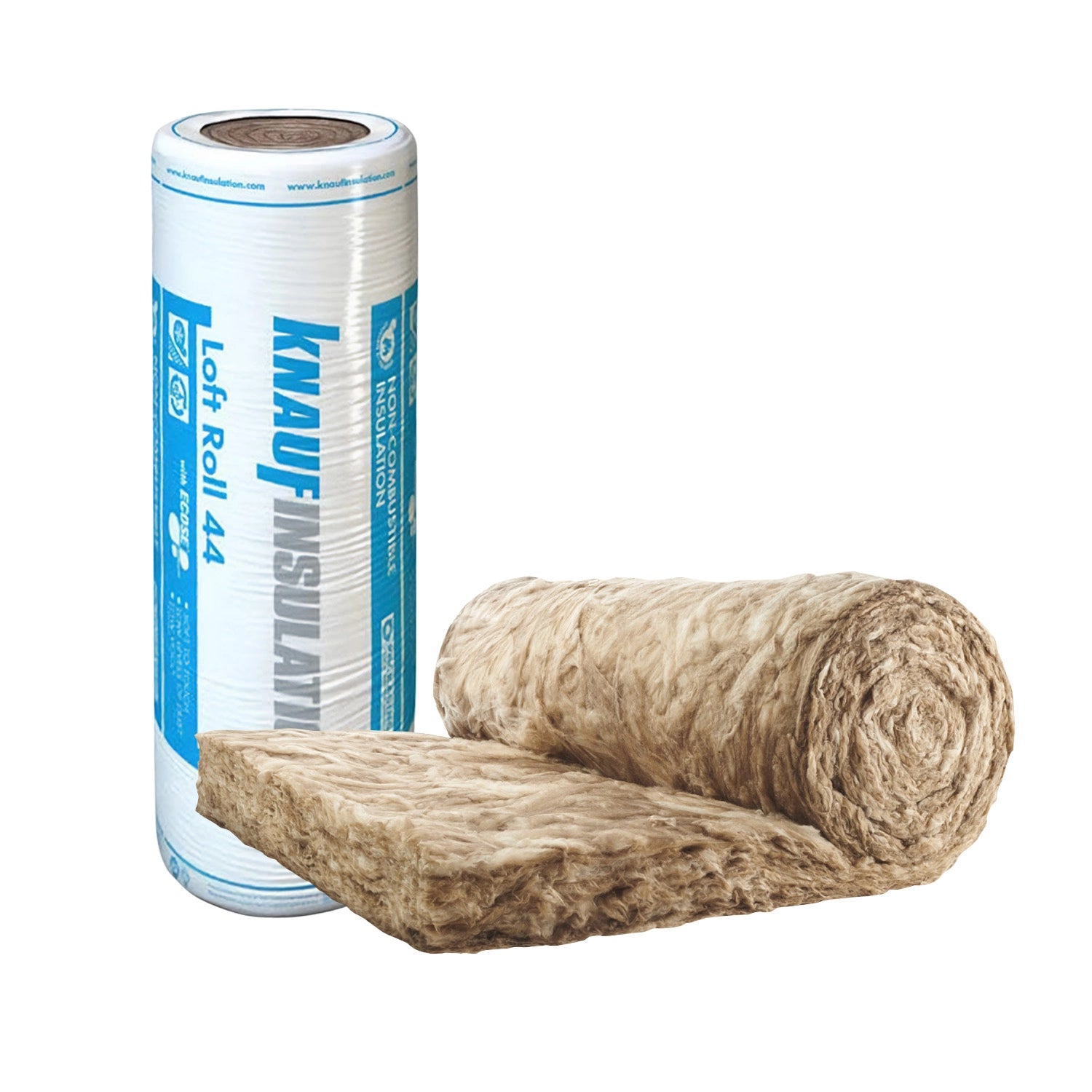
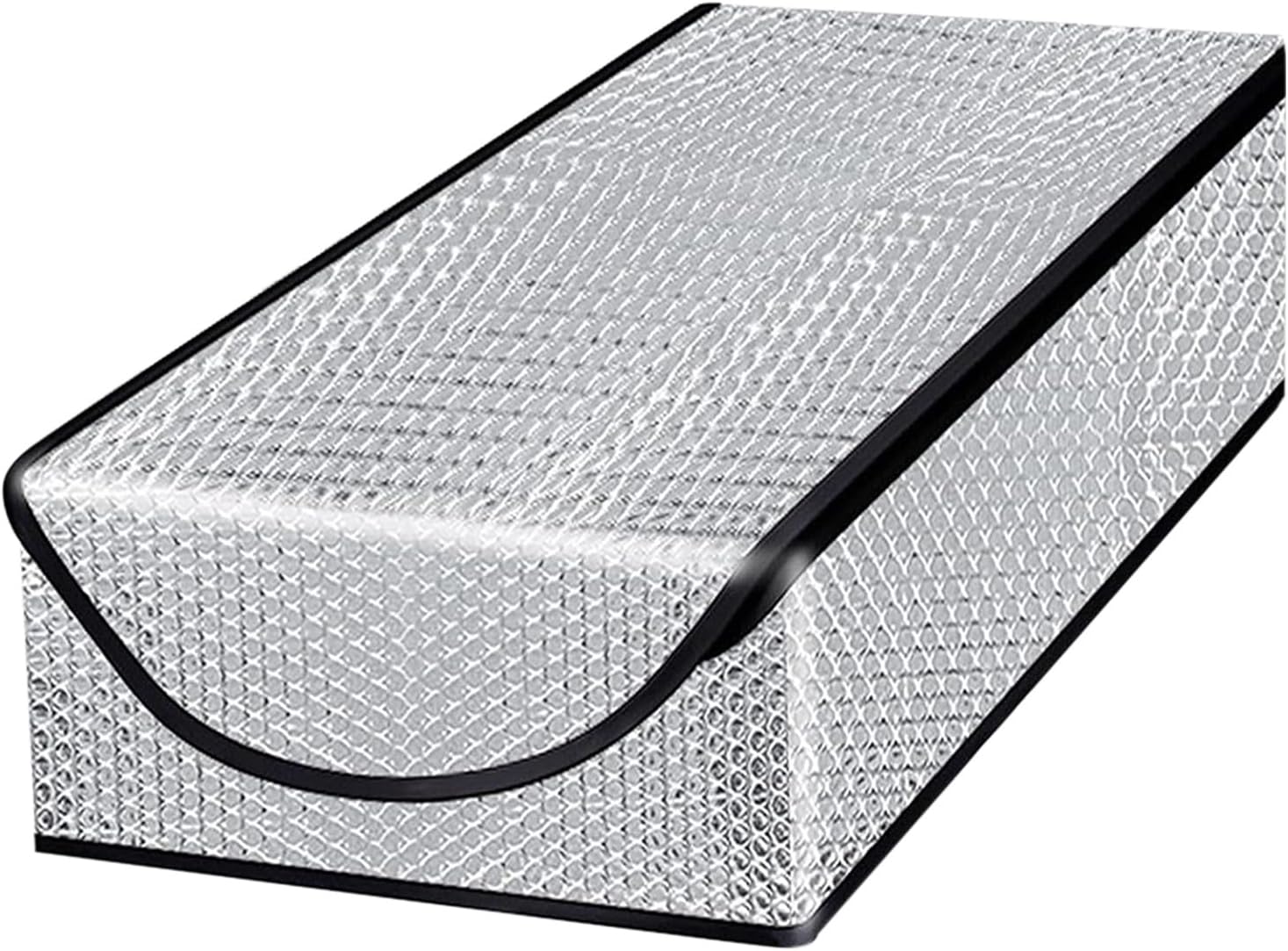
DIY products for this upgrade
Install cost
£2,000 – £2,400
Annual saving
£200 – £200
Payback
~11.0 yrs
ECO4 may fund this fully until 31 December 2026
Install cost
£2,000 – £3,500
Annual saving
£150 – £300
Payback
~12.2 yrs
No direct grant: consider a heat pump for larger gains
Install cost
£4,500 – £8,000
Annual saving
£400 – £650
Payback
~11.9 yrs
0% VAT on solar in the UK
Install cost
£4,000 – £9,000
Annual saving
£140 – £220
Payback
~36.1 yrs
No standalone grant: window film is a cheap alternative
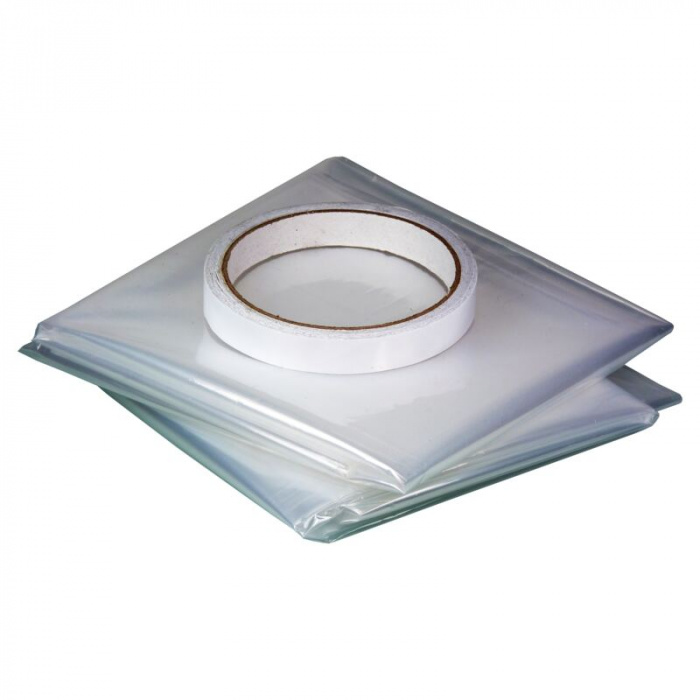
DIY products for this upgrade
Install cost
£2,000 – £4,000
Annual saving
£50 – £100
Payback
~40.0 yrs
ECO4 may fund this for eligible homes until 31 December 2026
Install cost
£150 – £350
Annual saving
£80 – £180
Payback
~1.9 yrs
No grant available
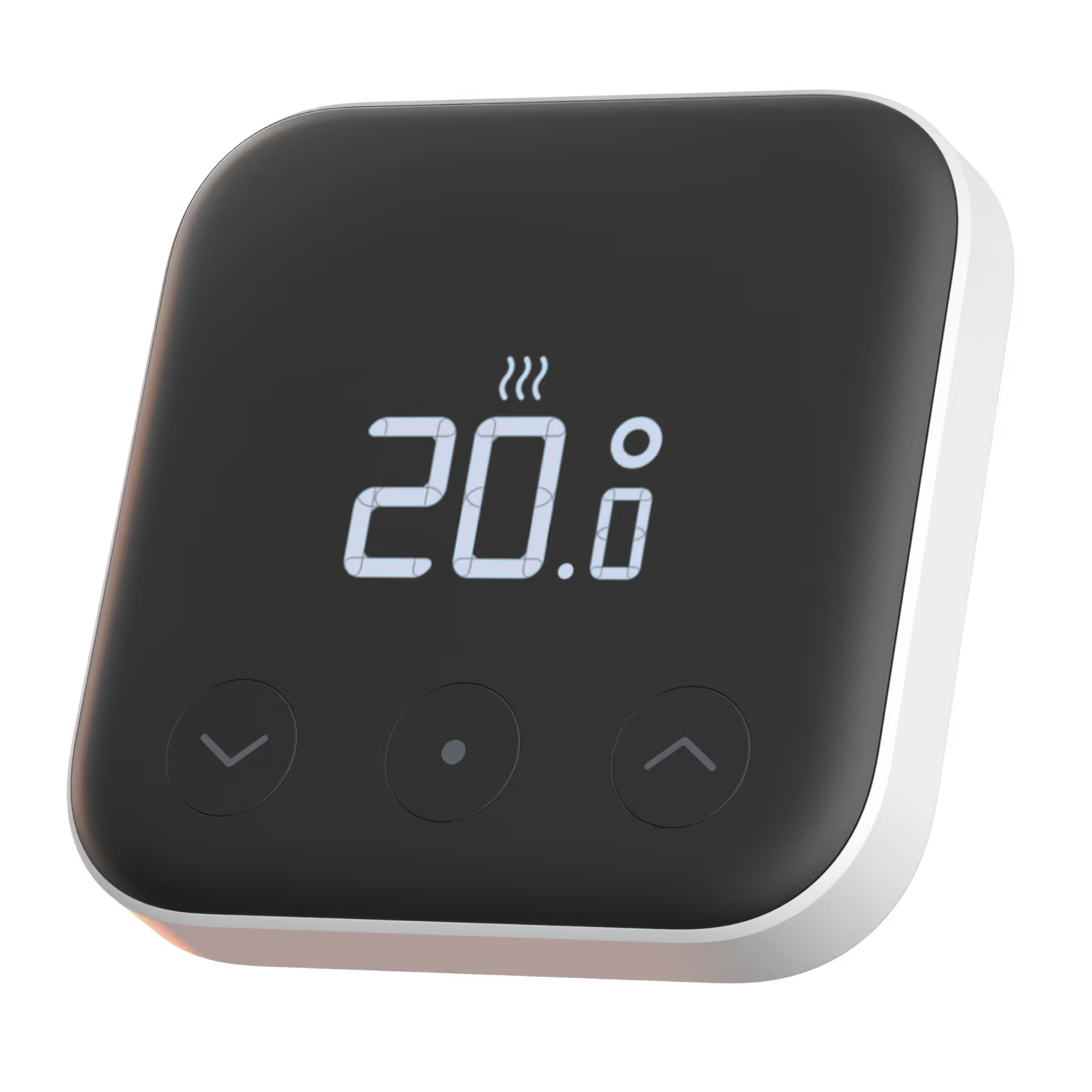
DIY products for this upgrade
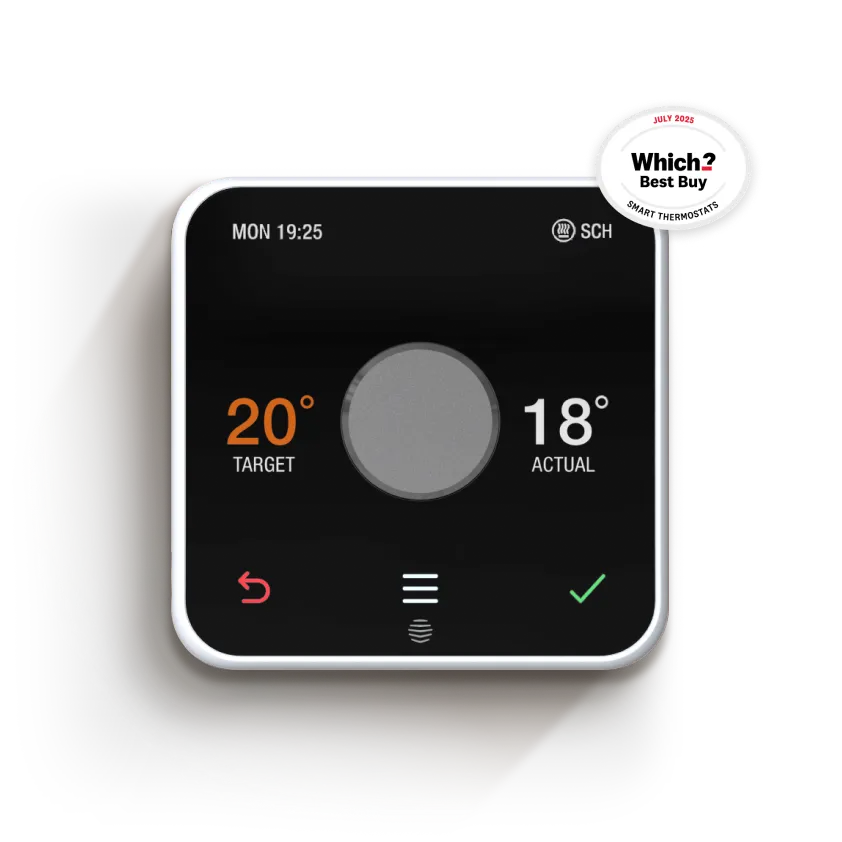
Install cost
£100 – £300
Annual saving
£50 – £100
Payback
~2.7 yrs
No grant, but typically pays for itself within a year
DIY products for this upgrade
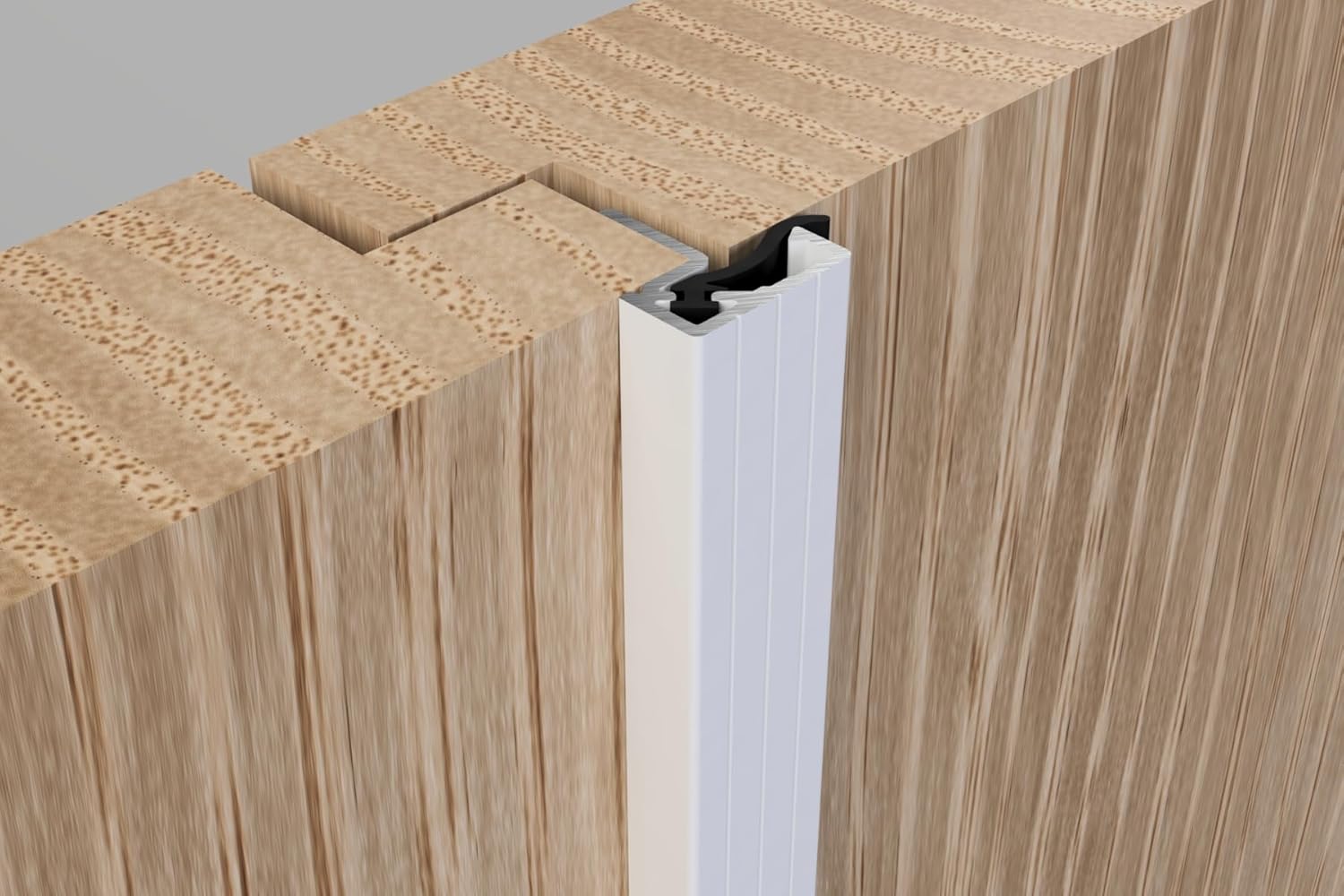

Install cost
£60 – £150
Annual saving
£30 – £60
Payback
~2.3 yrs
No grant, but cheapest upgrade on the list
DIY products for this upgrade
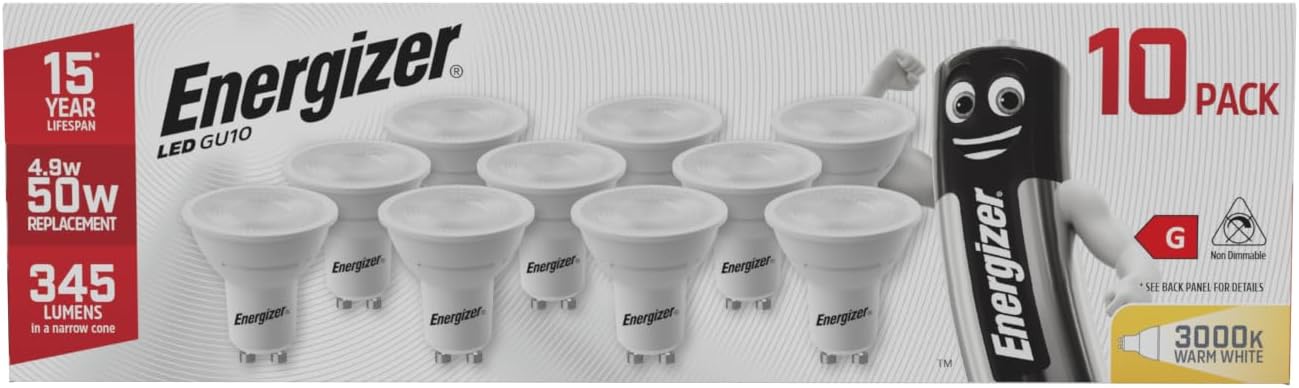
Install cost
£15 – £30
Annual saving
£25 – £50
Payback
~0.6 yrs
No grant, but costs under £30 and pays for itself in months
DIY products for this upgrade
* SAP point improvements are typical estimates based on the Standard Assessment Procedure. Actual improvements depend on your specific home and current specification. Get a formal EPC assessment to confirm your rating.
The Short Answer
Start with loft insulation and draught proofing: they give the most SAP points per pound. Most homes can jump one EPC band for under £1,000 by tackling insulation, LED lighting, and draught sealing. If you're a landlord, the EPC C deadline is approaching and grants are still available to cover costs.
How EPC Ratings Actually Work
Your EPC rating is based on a SAP score (Standard Assessment Procedure), a number from 1 to 100 that measures your home's energy efficiency. The higher the number, the better the rating:
| Band | SAP Score | What It Means |
|---|---|---|
| A | 92–100 | Exceptional: new-builds with heat pumps and solar |
| B | 81–91 | Very good: well-insulated with modern heating |
| C | 69–80 | Good: the government's target for all homes |
| D | 55–68 | Average: most UK homes sit here |
| E | 39–54 | Below average: needs work |
| F/G | 1–38 | Poor: significant upgrades needed |
An EPC assessor visits your home and records your heating system, insulation, windows, lighting, and hot water setup. The SAP calculation weighs all of these to produce your score. Each upgrade you make adds SAP points, and enough points push you into the next band.
The key insight: not all upgrades are equal. Loft insulation in a poorly insulated home might add 15 SAP points. LED lighting adds 1–3. The calculator above ranks every measure by impact so you can prioritise.
The Fabric First Approach
The single most important principle in home energy efficiency is "fabric first": improve the building envelope (insulation, draught proofing, windows) before upgrading the heating system. There's no point installing a heat pump if half your heat escapes through the roof.
The order matters:
- Insulate: loft, walls, floor, pipes, hot water cylinder
- Seal: draughts around doors, windows, letterboxes, chimneys
- Control: smart thermostat, TRVs, LED lighting
- Generate: solar panels, battery storage
- Heat: heat pump (once the house is insulated enough to run at low flow temperatures)
This isn't just theory. The SAP assessment rewards this order. A heat pump in a well-insulated home scores much higher than one in a draughty house. Read our full guide on insulating before getting a heat pump.
How to Get from D to C
This is the most common EPC improvement journey in the UK. Over half of UK homes are rated D, and most people want to reach C, either for grant eligibility, to sell or rent, or just to cut bills.
The good news: D to C typically needs 7–13 more SAP points, and you can usually get there for £500–£1,500. The typical route:
- Top up loft insulation to 270mm (5–15 SAP points, £300–£700), often the single biggest gain
- Draught proofing doors, letterbox, and chimney (1–3 SAP points, £100–£300)
- LED lighting throughout (1–3 SAP points, £50–£150)
Those three measures combined can add 7–21 SAP points for under £1,200, enough to jump from D to C in most cases. For a detailed breakdown, see our full guide on improving your EPC from D to C.
Landlord EPC Requirements
UK landlords currently need a minimum E rating to let a property. The government has confirmed this will rise to EPC C by 1 October 2030, a single compliance date covering all privately rented homes in England and Wales, new and existing tenancies alike. Fines for non-compliance are up to £5,000 per property.
Two different cost caps apply, and it's worth not mixing them up. Under the E standard in force today the cap is £3,500 including VAT (gov.uk landlord guidance): spend that much without reaching E and you can register an exemption. Under the C standard from 1 October 2030 the cap rises to £10,000, with exemptions valid for 10 years (gov.uk consultation response). Most D-to-C upgrades come in well under either figure. Acting now means you can still access ECO4, which runs to 31 December 2026.
For the full timeline and what you need to do, read our landlord EPC requirements guide.
Grants Available
Several government schemes can cover part or all of your improvement costs:
- ECO4: fully funds insulation and heating upgrades for qualifying households (low income, EPC D or below). Covers loft insulation, cavity wall, floor insulation, and more.
- Great British Insulation Scheme (GBIS): closed on 31 March 2026, so this is no longer an option.
- Boiler Upgrade Scheme (BUS): £7,500 towards an air source heat pump, or £9,000 if you're on oil or LPG with no mains gas connection (until March 2027). No EPC needed.
Check your eligibility with our grant eligibility checker, or read the full details in our grants guide.
Common Mistakes
- Installing a heat pump before insulating: a heat pump in a poorly insulated house runs harder, costs more, and scores lower on SAP. Insulate first, heat pump second.
- Ignoring the cheap wins: LED lighting, a cylinder jacket, and draught strips cost under £100 combined and can add 3–9 SAP points. People skip these and go straight to expensive glazing.
- Not checking grants first: ECO4 can still fully fund insulation until it ends on 31 December 2026 (GBIS closed in March 2026). Don't pay for something you could get free.
- Not reading your existing EPC: your certificate already lists recommended improvements in priority order. Start there.
- Assuming a new boiler is the answer: if your boiler is already a condensing model (installed after 2005), replacing it won't improve your EPC much. Insulation gives better returns.
What to Do Next
- Get your current EPC: if you don't have one, book an assessment (£60–£120, takes 30–60 minutes). Search for your property on the EPC register.
- Check your grant eligibility: use our checker before spending anything.
- Start with the cheapest measures: LED lighting, cylinder jacket, draught proofing. Under £200 total.
- Top up loft insulation: the single best value improvement for most homes. Our loft insulation guide walks you through the DIY process.
- Monitor your usage: a smart plug with energy monitoring (from £8) shows you exactly what each appliance costs to run. Great for spotting standby waste.
- Get a new EPC after improvements: your old certificate doesn't update automatically. You'll need a new assessment to reflect the changes.
Ready to boost your EPC?
Get free quotes from approved installers for insulation, heat pumps, and solar.
Frequently Asked Questions
Products to Improve Your EPC Rating
The most cost-effective DIY products for boosting your EPC rating, starting from under £15.
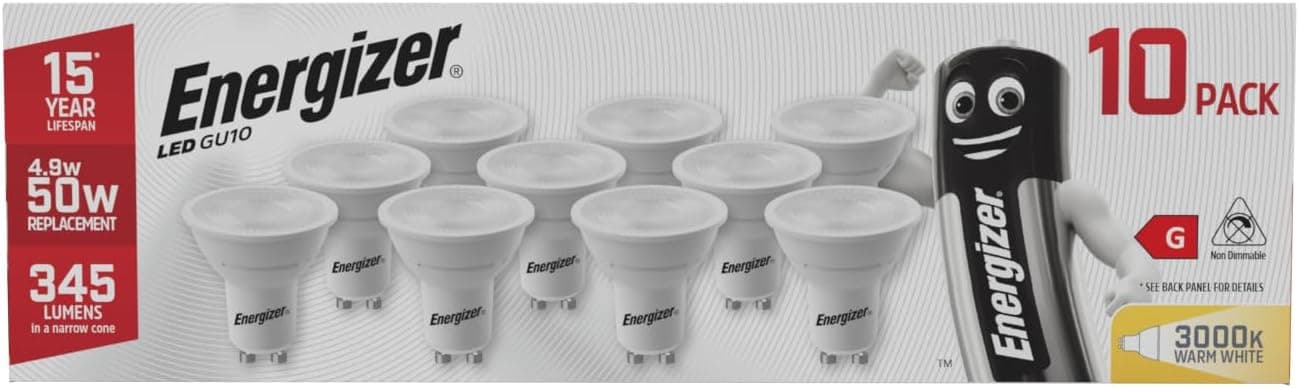
Energizer GU10 LED Bulbs (10-Pack)
£16.99Replacing halogen GU10s with LEDs is the cheapest EPC improvement going. A 10-pack does most of a house for under £20 and pays back in months on the electricity alone.
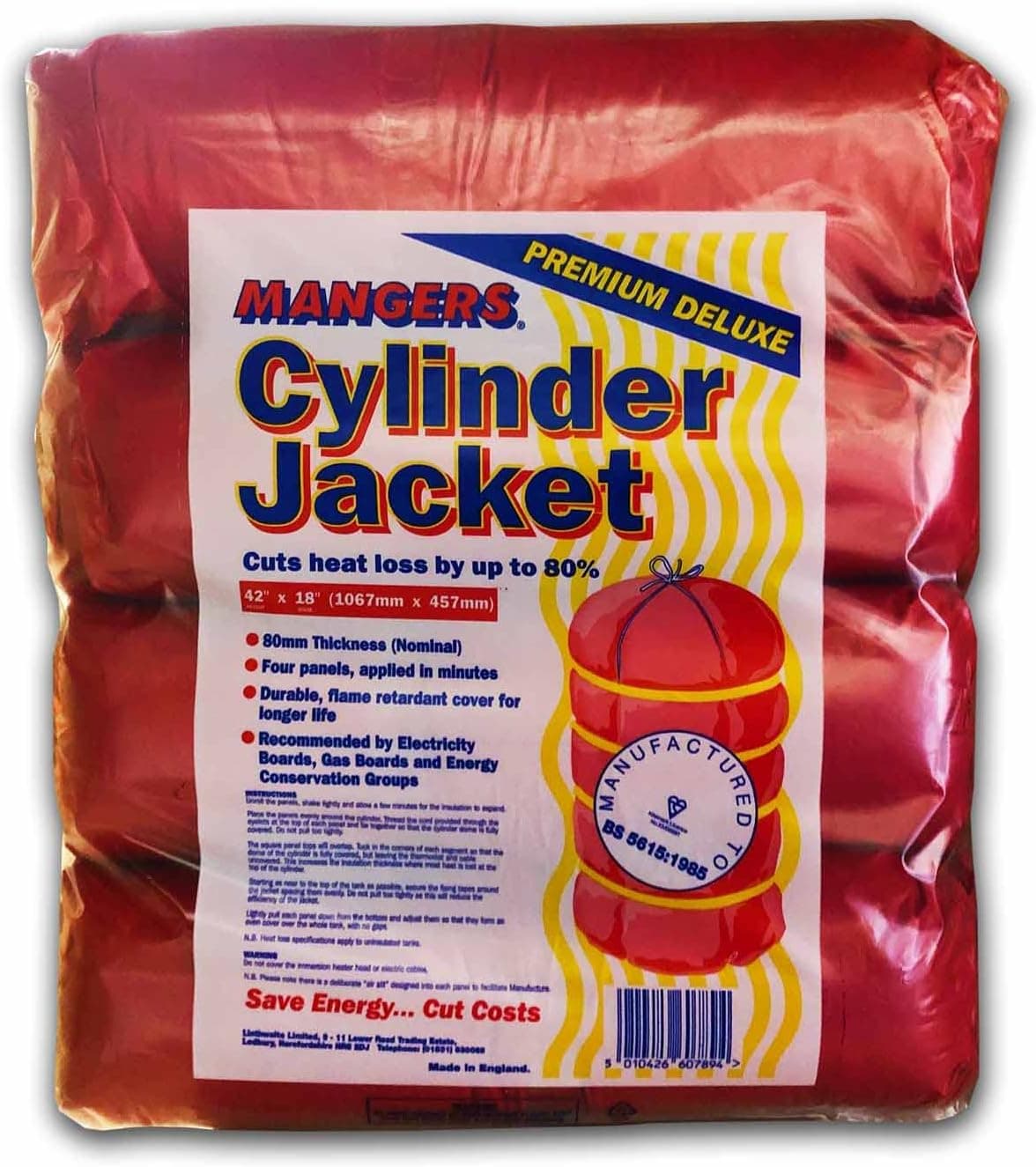
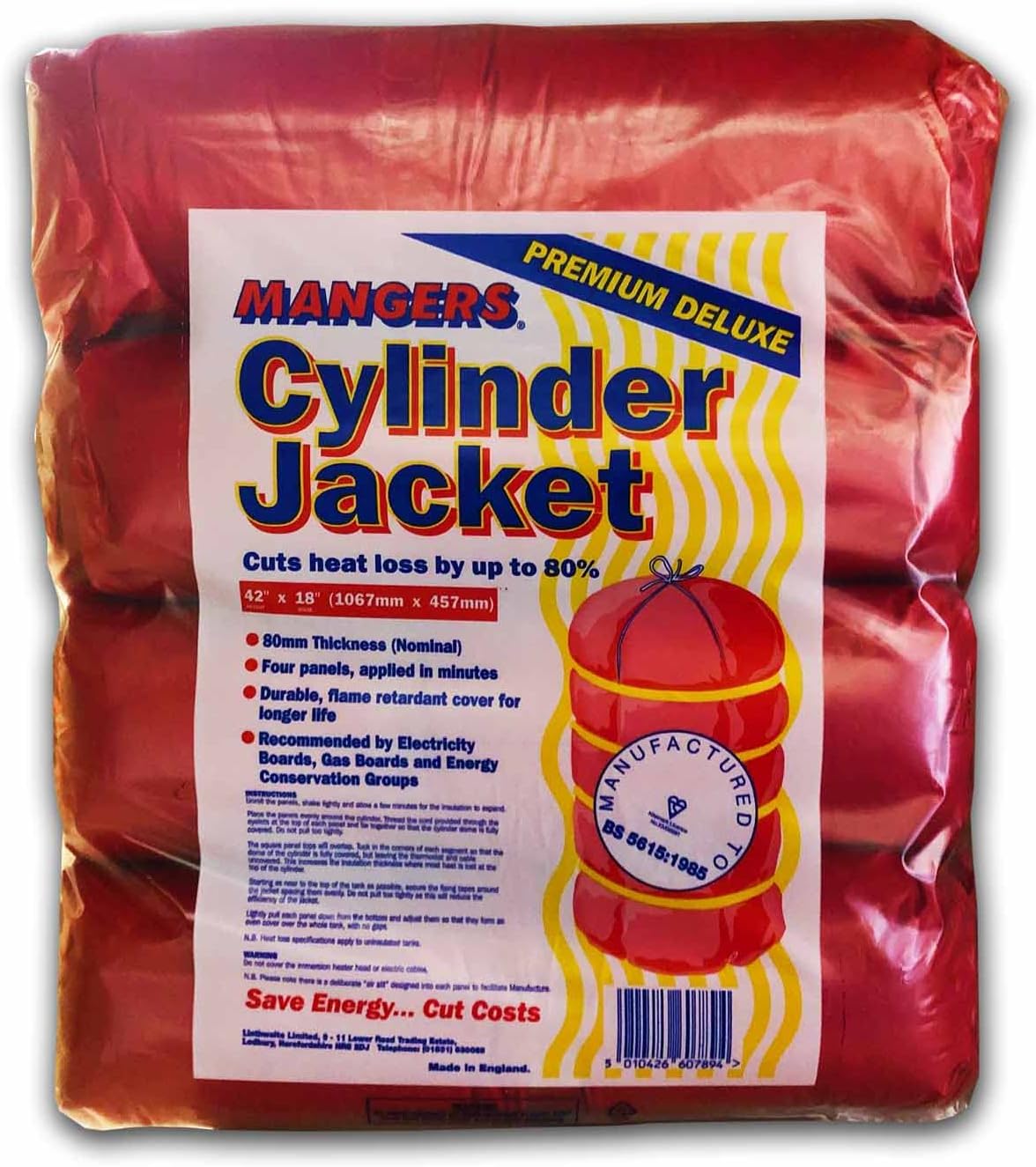
Mangers Hot Water Cylinder Jacket
£30.99An uninsulated cylinder loses heat 24/7. A jacket pays for itself in under a year.
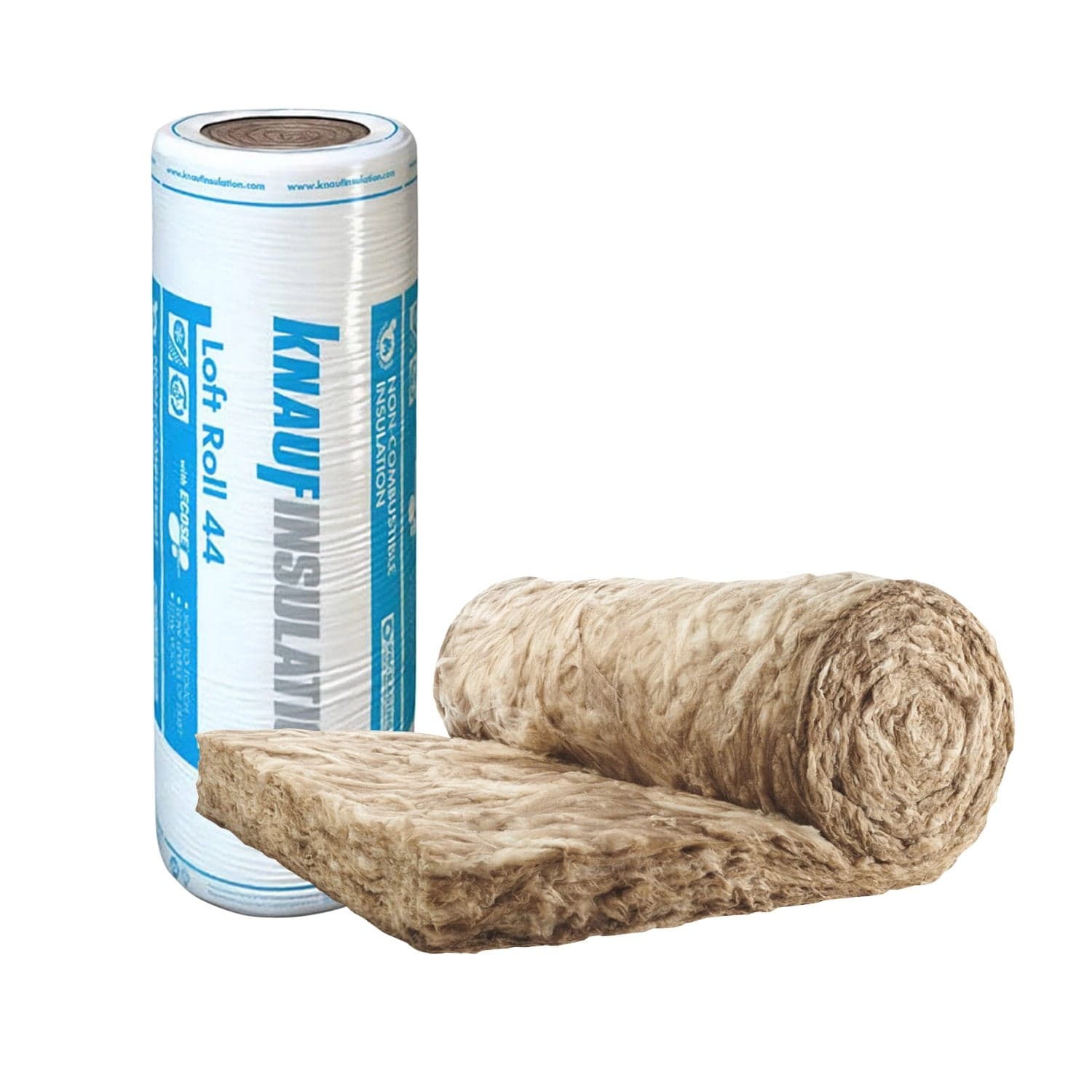
Knauf Loft Roll 44: 170mm
£49.99Top up existing loft insulation to reach the recommended 270mm. One of the most cost-effective energy upgrades.
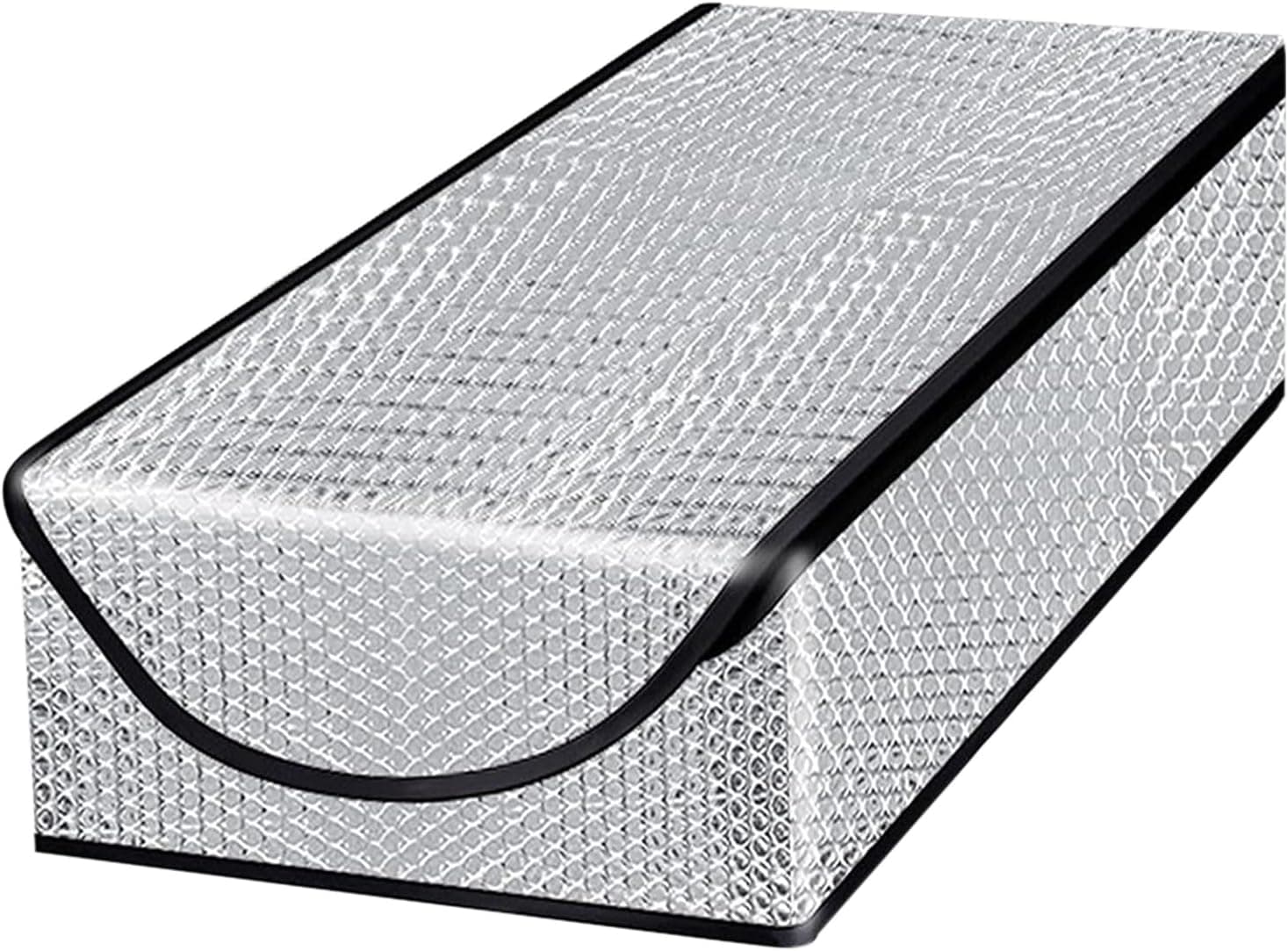
Loft Hatch Insulation Cover
~£25An uninsulated loft hatch is a significant heat loss point. This is a 5-minute fix.
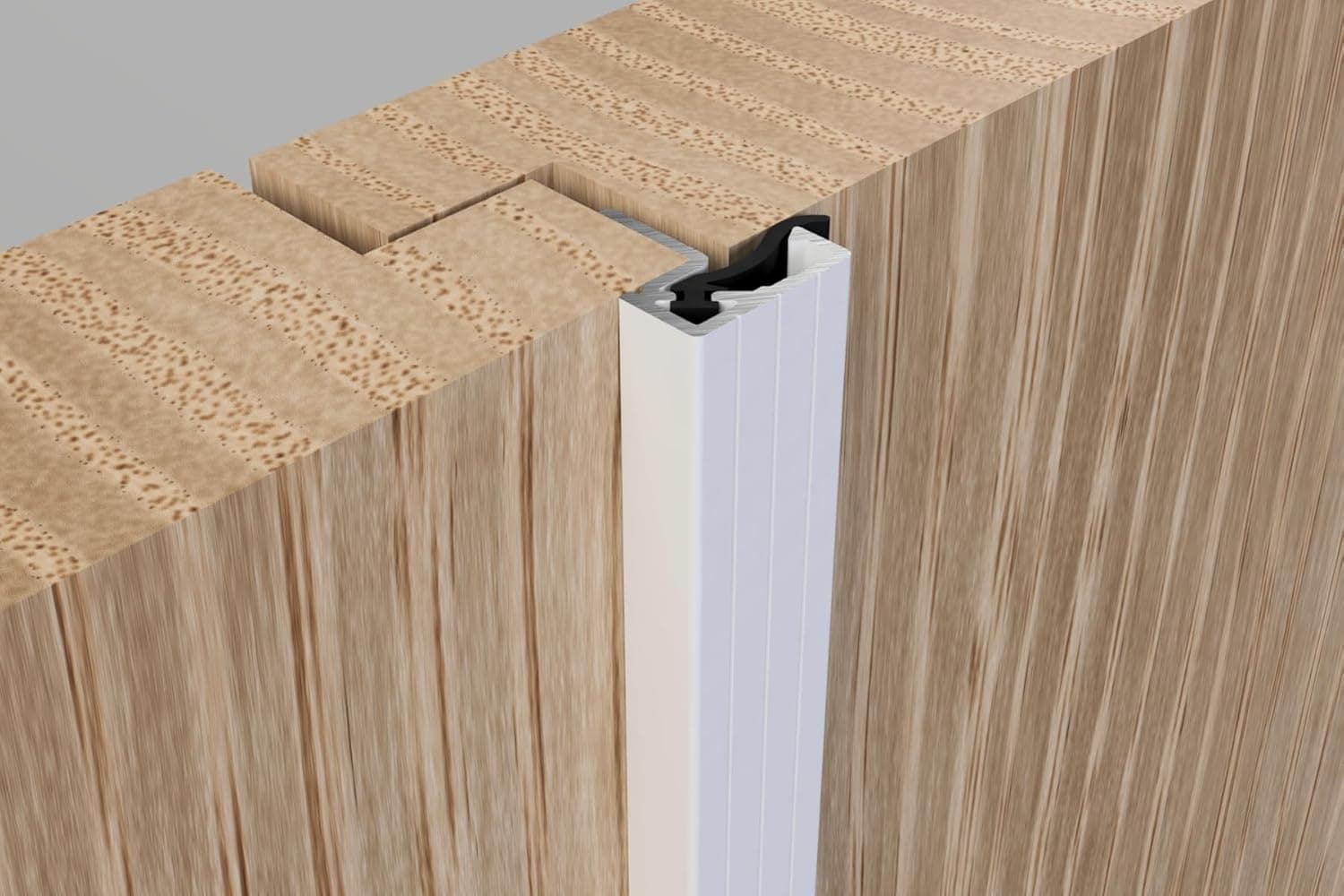
Stormguard Double Door Seal
£26.39Draughty doors are one of the cheapest heat losses to fix. This seal fits most UK door frames.

Chimney Sheep Chimney Draught Excluder
£33.00An open chimney loses as much heat as leaving a window open. This is one of the best draught-proofing investments.
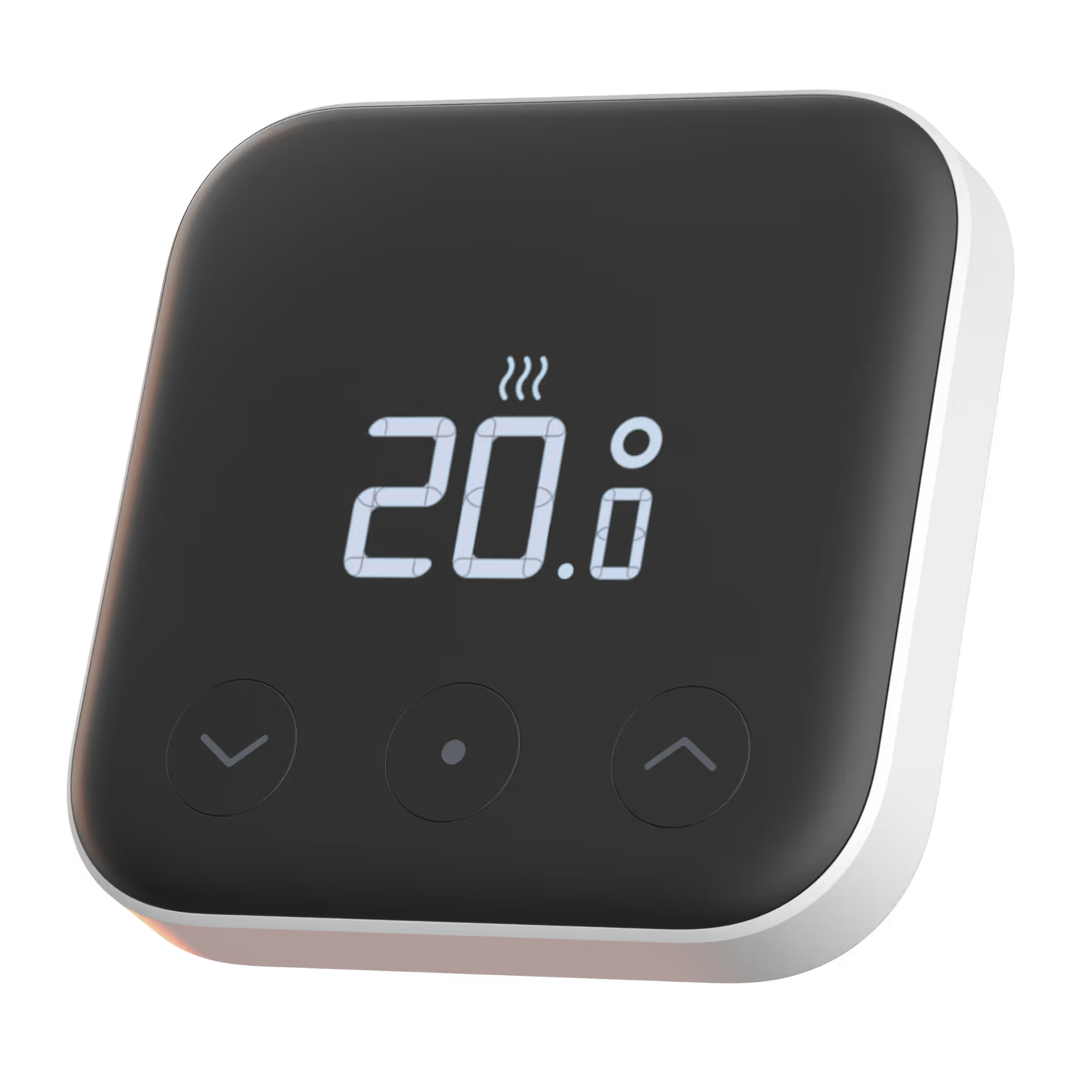
tado° Smart Thermostat Starter Kit V3+
£109.99Works with heat pumps via OpenTherm for weather compensation, reducing running costs by 10–20%.
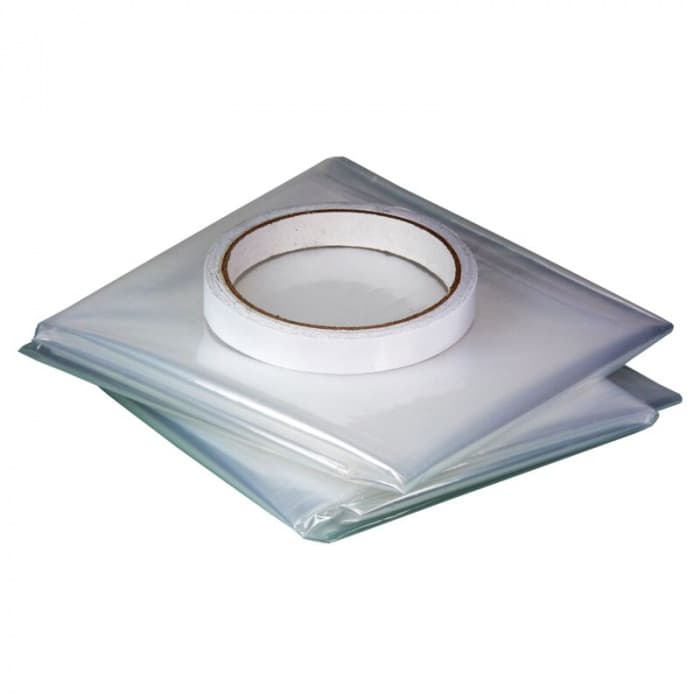
Window Insulation Film Kit (6 Windows)
£13.25Budget alternative to secondary glazing. Creates a sealed air gap that reduces heat loss through single-glazed windows.
As an Amazon Associate we earn from qualifying purchases. Prices and stock are checked against Amazon every few hours and may have changed since.