Best Radiators for Heat Pumps UK 2026
Heat pumps need bigger radiators. Here's what to buy and how to avoid overspending.
The Short Answer
You probably don't need to replace every radiator in your house. A good installer will do a room-by-room heat loss calculation and tell you exactly which ones need upgrading. When they do, double-panel double-convector radiators (Type 22 / K2) are what you want — they're the standard upgrade for heat pump systems because they push out enough heat at the lower flow temperatures heat pumps use. Budget £100–£300 per radiator installed, and expect to replace 3–7 in a typical house.
Why Heat Pumps Need Bigger Radiators
Your old gas boiler pushed water through your radiators at 60–75°C. A heat pump works best at 35–50°C. That's a big drop, and it means each radiator puts out significantly less heat — roughly half, in many cases. The maths is simple: if a radiator was just about keeping a room warm at 70°C flow temperature, it won't cope at 45°C.
You've got two choices: run the heat pump at a higher flow temperature (which tanks its efficiency and costs you more to run), or fit radiators that deliver enough heat at lower temperatures. The second option is almost always better for your bills long-term.
But here's the good news: not every radiator needs replacing. If your home is well-insulated, if some radiators were already oversized when installed (surprisingly common in older homes), or if a room doesn't need much heat (spare bedrooms, for example), the existing ones may be fine. This is why the heat loss calculation matters so much — it tells you exactly which rooms fall short.
What Type of Radiator to Buy
Double-Panel Double-Convector (Type 22 / K2)
This is the default recommendation for heat pump upgrades, and it's what most installers will suggest. A Type 22 radiator has two panels and two sets of convector fins, giving it roughly 1.8 times the output of a single-panel radiator (Type 11) of the same physical size. That extra output is exactly what you need to compensate for the lower flow temperatures.
Stelrad Compact K2 radiators are the workhorse of the UK heating market — reliable, widely available, and competitively priced. Henrad Premium radiators offer slightly higher output per square metre, which is useful if wall space is tight. Either brand is a solid choice.
What About Fan Convectors?
Fan convectors (also called fan coil units) have a small fan that blows air across a heat exchanger. They're much more efficient at transferring heat at low water temperatures than passive radiators — a compact fan convector can match the output of a radiator twice its size. They're worth considering in rooms where you can't fit a bigger radiator, like a small bathroom or kitchen.
The downsides: they make a slight humming noise when running (not loud, but noticeable in a quiet room), they need electricity for the fan, and they cost more — typically £200–£500 per unit installed.
Underfloor Heating — The Ideal (If You Can)
If you're renovating or adding an extension, underfloor heating is the dream pairing with a heat pump. It runs at just 35°C flow temperature, which is right in the heat pump's sweet spot for efficiency. But retrofitting UFH into existing rooms with solid floors is major work. It's really only worth considering during a renovation, not as a standalone upgrade.
How Much Will It Cost?
| Scenario | Radiators Replaced | Approximate Cost |
|---|---|---|
| Well-insulated terraced house | 0–3 | £0–£900 |
| Average semi-detached | 3–6 | £300–£1,800 |
| Larger / poorly insulated home | 6–10 | £600–£3,000 |
Individual radiators cost £60–£200 for the unit itself (depending on size) plus £60–£120 for fitting. If pipework needs modifying, add £50–£100 per radiator. Always get this quoted as part of your heat pump installation — doing it at the same time is cheaper than coming back later.
How to Avoid Overspending
Some installers replace every radiator in the house as standard, which inflates the quote. Others do a proper calculation and only replace what's necessary. Get at least three quotes and compare the radiator upgrade recommendations carefully. If one installer says you need 10 new radiators and another says 4, ask the first one to show you the room-by-room heat loss numbers that justify the extra replacements.
Also worth knowing: insulating your home before the heat pump install reduces how many radiators you'll need to replace. Better insulation means less heat loss, which means existing radiators can often cope. That's why insulating first saves money twice — once on energy bills and once on the installation itself.
For the full cost picture, see our heat pump costs guide. For more on whether your existing radiators will work, read our radiator upgrade guide.
Radiators We Recommend
These are the radiator types most commonly used in heat pump upgrades — reliable, high-output, and widely available.
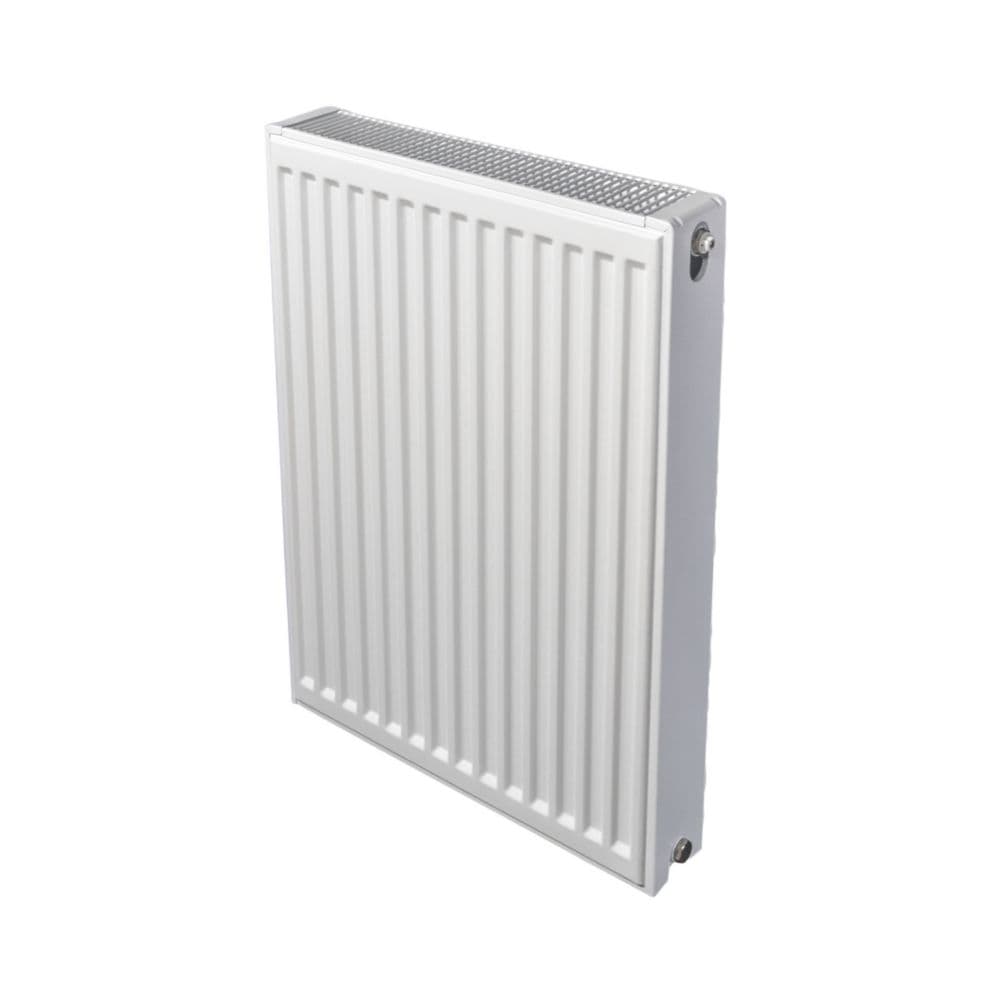
Stelrad Compact K2 Double Panel Radiator
£60–£180 (varies by size)The standard radiator upgrade for heat pumps. Double-panel design delivers enough heat at lower flow temperatures.
Henrad Premium Compact Radiator
£70–£200 (varies by size)Slightly higher output per square metre than standard panels — useful where wall space is limited.
Adey MagnaClean Professional2 Magnetic Filter
£80–£120Sludge in old radiator systems can damage heat pump heat exchangers. A magnetic filter catches it before it reaches the pump.
As an Amazon Associate we earn from qualifying purchases. Product prices and availability are accurate as of the date of publication and may change.