
Should I Insulate Before Getting a Heat Pump?
The Short Answer
Yes, insulate first, but not for the reason you'll read on most sites. The £7,500 Boiler Upgrade Scheme grant is yours either way. There's no EPC requirement and no insulation prerequisite, and there hasn't been since 2024. Insulate first because it changes the machine you buy: a well-insulated 1960s semi needs a 7 to 8kW heat pump instead of a 12 to 14kW one, which is £4,000 to £5,000 less on the quote, a lower flow temperature, a better SCOP for the next 20 years, and fewer radiators to rip out. That's the argument. It's smaller than the £10,000 figure that used to get quoted, and it's true.
Getting the order wrong means paying too much for a heat pump, running it inefficiently for years, or ending up with a system that struggles on the coldest days. Getting it right is mostly about sizing. This guide explains the logic, the priority order, and the practical thresholds that matter.
Why the Order Matters: Heat Loss and Heat Pump Sizing
A heat pump is not like a gas boiler. A gas boiler produces intense heat in short bursts. A heat pump produces moderate heat over a longer period, running at lower flow temperatures (typically 35–55°C rather than the 60–80°C of a gas boiler). This is more efficient, but it means the system needs to be correctly sized for your home's heat demand.
The technical starting point is a heat loss calculation (an assessment of how much heat your home loses per hour when it is very cold outside, usually calculated at an outside temperature of -3°C). That figure, in kilowatts, determines the size of heat pump you need.
Here is the critical point: every improvement you make to your insulation reduces your home's heat loss, which means a smaller, cheaper heat pump is needed. If you insulate first:
- The heat pump installation is sized correctly for the improved home, not the poorly insulated one
- A smaller heat pump has lower upfront cost
- A correctly sized heat pump runs more efficiently
- Lower heat demand means lower electricity bills
- The system does not need to work as hard, which extends its lifespan
If you do not insulate first, your installer will need to size the heat pump for a leakier building. You may end up paying for a 14kW system when, post-insulation, an 8kW system would have been sufficient. On typical installed prices that's £4,000 to £5,000 of difference, plus higher running costs every year and more radiators to change.
The fabric first principle: This is the phrase used by heat pump engineers and energy assessors. Address the building's fabric (insulation, draught proofing, windows) before sizing and installing the heating system. It is not about perfection; it is about avoiding oversizing.
How Much Insulation Is Enough Before a Heat Pump?
You do not need to wait until your home is perfectly insulated. The goal is to reach a point where your heat loss is low enough for the heat pump to be sized sensibly and run efficiently. In practice, this usually means:
- Loft insulation at 270mm (or as close as achievable)
- Cavity walls insulated (if applicable)
- Draught proofing completed on windows, doors, and major gaps
These three measures, combined, can reduce heat loss by 30–50% in a typical 1960s–1980s semi-detached home. That is enough to meaningfully reduce the size of heat pump required. For product recommendations, see our guides to the best loft insulation and the best draught proofing products.
Solid wall insulation, floor insulation, and double glazing are valuable but not prerequisites. A heat pump can work well in a solid-walled home if it is sized correctly for that building's heat loss. The question is simply whether you have addressed the cheapest, highest-impact measures first.
The Priority Order: What to Do First
| Step | Measure | Cost | Heat Loss Reduction | Priority |
|---|---|---|---|---|
| 1 | Loft insulation, bare loft to 270mm | £750 | Up to 25% | Essential first step |
| 2 | Cavity wall insulation | £2,200 | Up to 33% | Essential if applicable |
| 3 | Draught proofing (professional, windows and doors) | £250 | 5 – 15% | High priority, low cost |
| 4 | Loft top-up, 120mm to 270mm | £600 | Small but real | Worth it for sizing, not for the bill |
| 5 | Floor insulation (suspended timber) | £1,400 – £2,500 | 5 – 10% | Useful if suspended timber floors |
| 6 | Double glazing (if genuinely single-glazed) | ~£4,800 | 10 – 15% | Beneficial but not a prerequisite |
| 7 | Solid wall insulation | ~£12,000 internal, ~£15,000 external | Up to 33% | High impact but expensive; plan carefully |
Costs are Energy Saving Trust figures for a typical semi-detached house in Great Britain, unsubsidised. Steps 1 to 3 should be completed before the heat pump is installed wherever possible. Steps 4 to 7 are beneficial but can be planned around the installation; an experienced MCS-certified installer can account for planned future improvements when sizing the system. Tell them what you intend to do and when, because a pump sized for the house you're about to have beats one sized for the house you've got.
The Boiler Upgrade Scheme Does Not Care About Your Insulation
This is the bit most guides still get wrong, including, until recently, this one.
The Boiler Upgrade Scheme pays £7,500 towards an air source or ground source heat pump in England and Wales, or £9,000 until 31 March 2027 if the property is off the mains gas grid and heated by oil or LPG. To get it you need to own the property and be replacing a fossil fuel heating system. That's the whole test. gov.uk's eligibility page doesn't mention EPCs at all, and it says in as many words that you're still eligible if you've already had funding to make the property more energy efficient, for example by insulating it.
- The insulation condition (clear any outstanding loft and cavity wall recommendations on your EPC first) was removed on 8 May 2024.
- The valid-EPC requirement was relaxed on 28 April 2026, in the same package that added air-to-air heat pumps at £2,500 and made installers deduct the grant from your upfront cost.
- There is no minimum EPC band, no "fabric first" gate, and no assessor sign-off.
So if you've read that a draughty, uninsulated house can't claim the grant, that was true once and isn't now. You don't need an EPC at any point in this process, and you shouldn't pay £60 to £120 for a new one just to satisfy a rule that no longer exists.
Which changes the argument for insulating first entirely. It's no longer "do this or you lose £7,500". It's a straightforward sizing argument, and it's set out below.
What Skipping Insulation Actually Costs You
Concrete figures. A 1960s semi-detached house with a bare loft and unfilled cavity walls, in England. The £7,500 grant applies in both scenarios, so it cancels out of the comparison and the difference is entirely about the size of machine you end up buying.
Scenario A: Heat Pump First, No Insulation
- Heat loss at design temperature: roughly 12kW
- Heat pump required: 12–14kW
- Installed cost: roughly £14,000–£18,000
- Boiler Upgrade Scheme grant: £7,500
- Net cost: £6,500–£10,500
- Flow temperature: higher, because the emitters are undersized for the load. Expect more radiator swaps.
Scenario B: Insulate First, Then Heat Pump
- Loft insulation, bare to 270mm: £750
- Cavity wall insulation: £2,200
- Draught proofing, professional: £250
- Total fabric spend: £3,200 (or £0 if ECO4 covers it, which a house in this condition often qualifies for)
- New heat loss: roughly 7kW
- Heat pump required: 7–8kW
- Installed cost: roughly £10,000–£13,000
- Boiler Upgrade Scheme grant: £7,500
- Net cost: £2,500–£5,500, plus £3,200 of insulation = £5,700–£8,700
- Flow temperature: lower, so a better SCOP every year the system runs
The Honest Sum
Insulating first knocks £4,000 to £5,000 off the price of the heat pump. The insulation costs £3,200. So on the day of the installation you're between £800 and £1,800 in front, which is a real saving but not a life-changing one.
The reason we'd still do it in that order is what happens next:
- The insulation keeps paying. On Energy Saving Trust figures those three measures save a gas-heated semi about £445 a year (£190 loft, £200 cavity, £55 draught proofing). The smaller heat pump doesn't pay you anything after the day you buy it, it just costs less.
- The flow temperature is permanent. A 7kW system in a tightened-up house runs happily at 40 to 45°C. The same house untouched needs 50 to 55°C to keep up on a cold night, and every degree of flow temperature costs you roughly 2 to 3% of efficiency, for the twenty-odd years the pump is on the wall.
- Radiators. Lower heat demand means more of your existing radiators are big enough. Radiator upgrades are quoted per radiator plus the pipework, and a whole-house swap is easily a four-figure job on top of the heat pump.
- ECO4 might pay. A house with a bare loft and empty cavities is exactly what ECO4 exists for, and it runs until 31 December 2026. If the fabric work is funded, that £4,000 to £5,000 off the heat pump is pure profit and the sum stops being close.
What it isn't is a £10,000 decision, whatever you may have read. That figure came from an old rule that made the grant conditional on clearing your EPC recommendations. The rule is gone. The sizing argument is smaller, and it stands up on its own.
Radiators and Underfloor Heating
Heat pumps work at lower flow temperatures than gas boilers. To deliver the same amount of heat, they either need to run at a slightly higher temperature (less efficient) or transfer heat through larger surface areas: bigger radiators, or underfloor heating.
Better insulation means lower heat demand, which means you may be able to use your existing radiators without replacement, or need fewer upgrades. Every degree of reduction in required flow temperature increases the heat pump's Coefficient of Performance (COP), its measure of efficiency, typically by around 2–3%. Over years of operation, this adds up.
What If You Have Solid Walls and Cannot Afford Solid Wall Insulation?
Solid wall insulation is expensive. The Energy Saving Trust puts a whole-house job on a three-bed semi at around £12,000 internally or £15,000 externally, against a saving of about £280 a year, and it isn't always grant-funded. If your home has solid walls, you are not stuck waiting until you can afford it.
An MCS-certified heat pump installer can size a system for a solid-walled home, accounting for its higher heat loss. You may need a larger heat pump and should expect slightly higher running costs compared to a better-insulated property. But a well-designed heat pump system can work effectively in a solid-walled Victorian home, particularly if loft insulation and draught proofing are in good condition.
In this situation, the practical advice is:
- Complete loft insulation and draught proofing before installation
- Tell your installer you have solid walls and may add insulation in future
- Ask the installer to model both current and post-insulation heat loss in their design
- Plan solid wall insulation for when grant funding becomes available or when other renovation works make it cost-effective
The Integrated Approach: Planning the Full Journey
The most cost-effective approach to home energy upgrades is to plan them as an integrated sequence rather than a series of isolated decisions. A rough planning sequence:
- Check ECO4 eligibility first. It closes on 31 December 2026 and it pays for the fabric work outright for qualifying households. Everything below is cheaper if this comes back yes.
- Do the cheap measures: draught proofing, and loft insulation if the loft is bare or thin. Skip the EPC; you don't need one for any of this.
- Add cavity wall insulation if applicable and not already done
- Commission a heat loss survey from an MCS installer; this is the technical basis for the heat pump design, and it's the document that decides how big a machine you pay for
- Apply for the Boiler Upgrade Scheme and get the heat pump installed. Your installer applies on your behalf. Ofgem won't take an application for a system commissioned more than 120 days earlier, and the voucher expires three months after issue for an air source heat pump, so don't start that clock until the fabric work is finished.
- Plan remaining measures (solid wall insulation, solar panels) as future upgrades that work alongside the heat pump, and tell the installer about them so the design allows for it
For detailed costs and grant information on each insulation measure, see our home insulation costs guide, our cavity wall insulation guide, and our loft insulation guide.
Summary
Insulating before a heat pump is not a bureaucratic requirement and it never gates your grant. The £7,500 is yours whatever state the house is in. Insulate first because a tighter house needs a 7 to 8kW machine instead of a 12 to 14kW one, which is £4,000 to £5,000 off the quote, a lower flow temperature for the whole life of the system, and fewer radiators to replace. Net of the roughly £3,200 the fabric work costs at Energy Saving Trust prices, you're around £1,000 to £1,800 better off on day one and about £445 a year better off after that. Check ECO4 before you spend anything, because if it pays for the insulation the whole calculation stops being close.
DIY Insulation and Draught Proofing Products
These are the products you can fit yourself to prepare your home for a heat pump, starting with the cheapest wins.
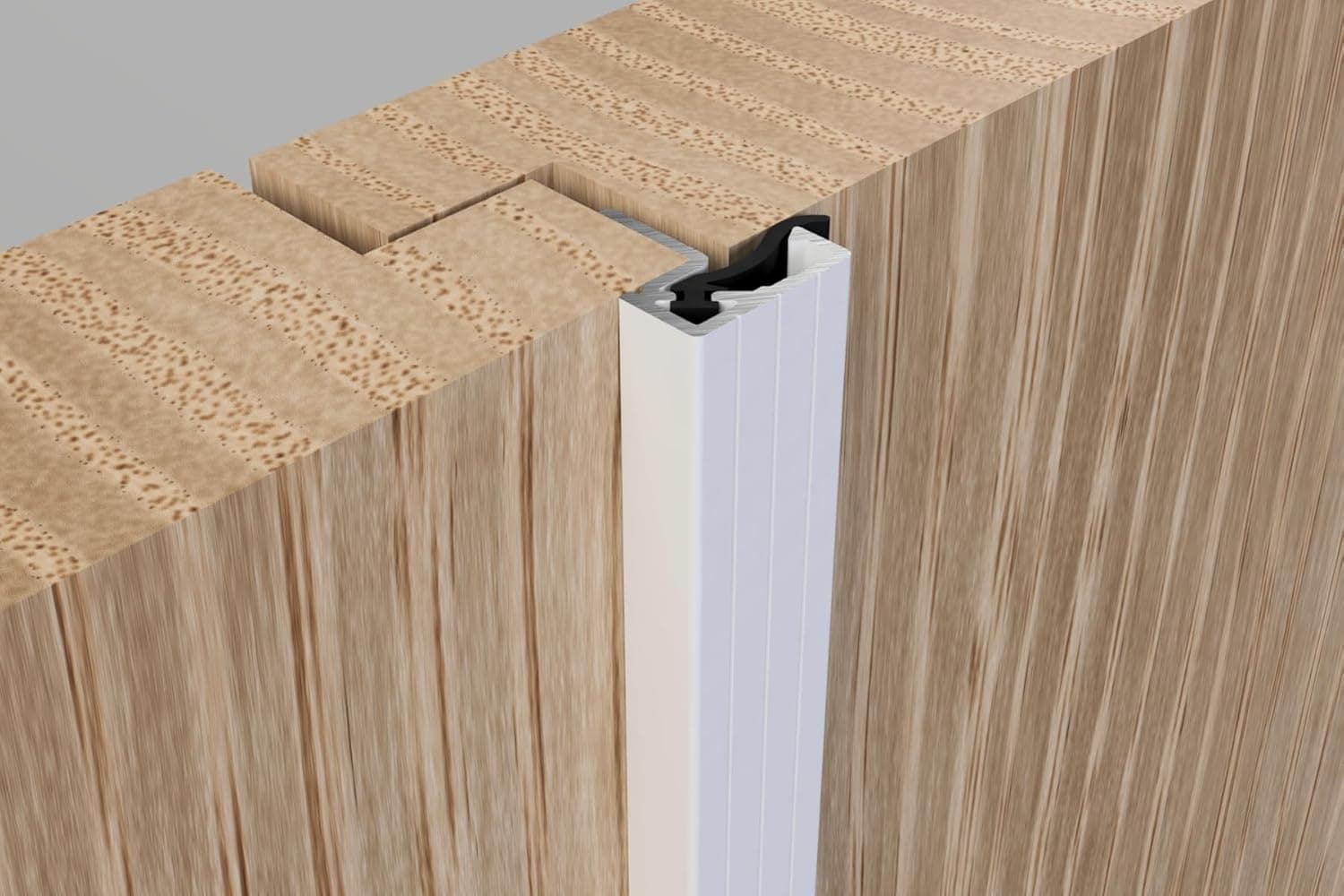
Stormguard Double Door Seal
£26.39Draughty doors are one of the cheapest heat losses to fix. This seal fits most UK door frames.

Chimney Sheep Chimney Draught Excluder
£33.00An open chimney loses as much heat as leaving a window open. This is one of the best draught-proofing investments.
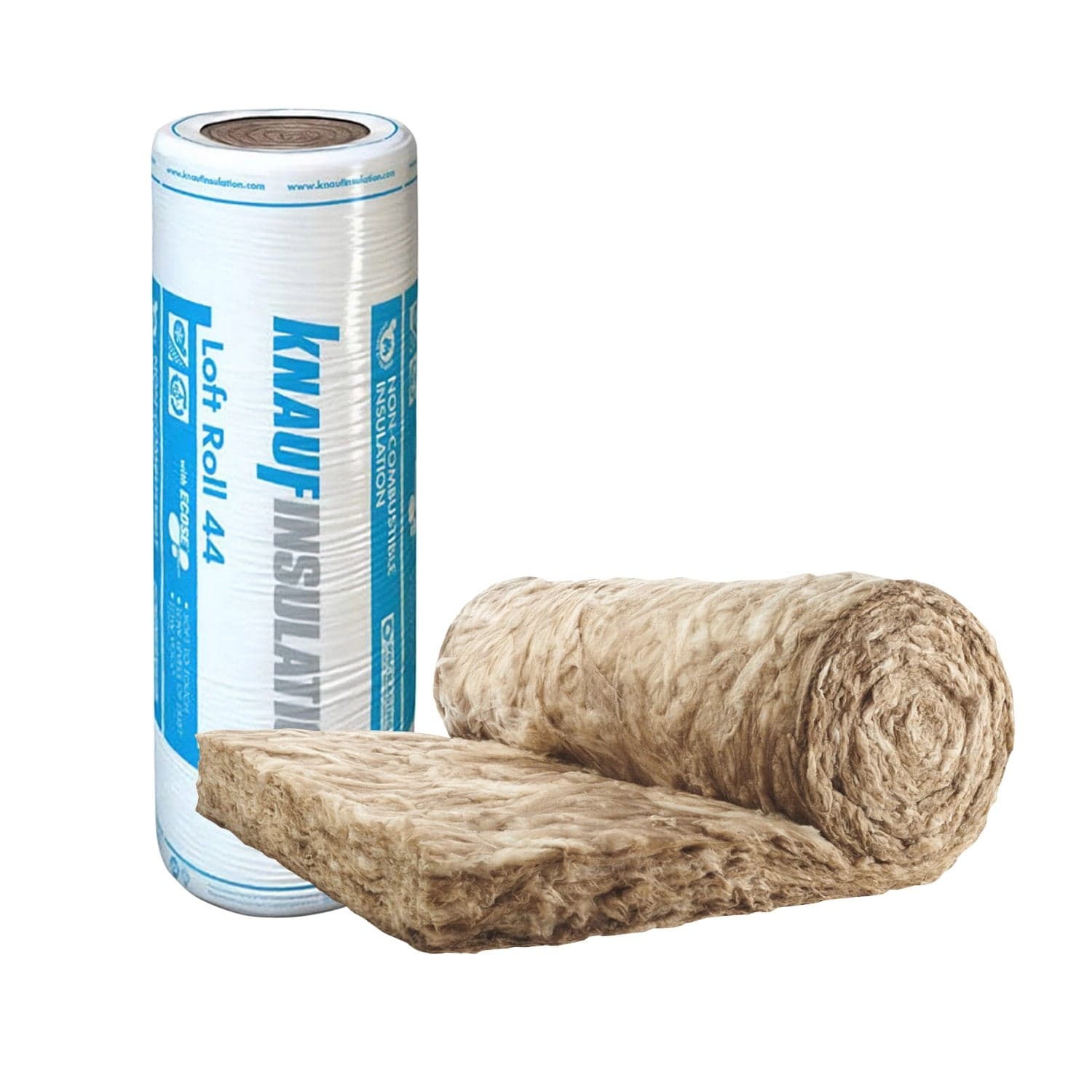
Knauf Loft Roll 44: 170mm
£49.99Top up existing loft insulation to reach the recommended 270mm. One of the most cost-effective energy upgrades.
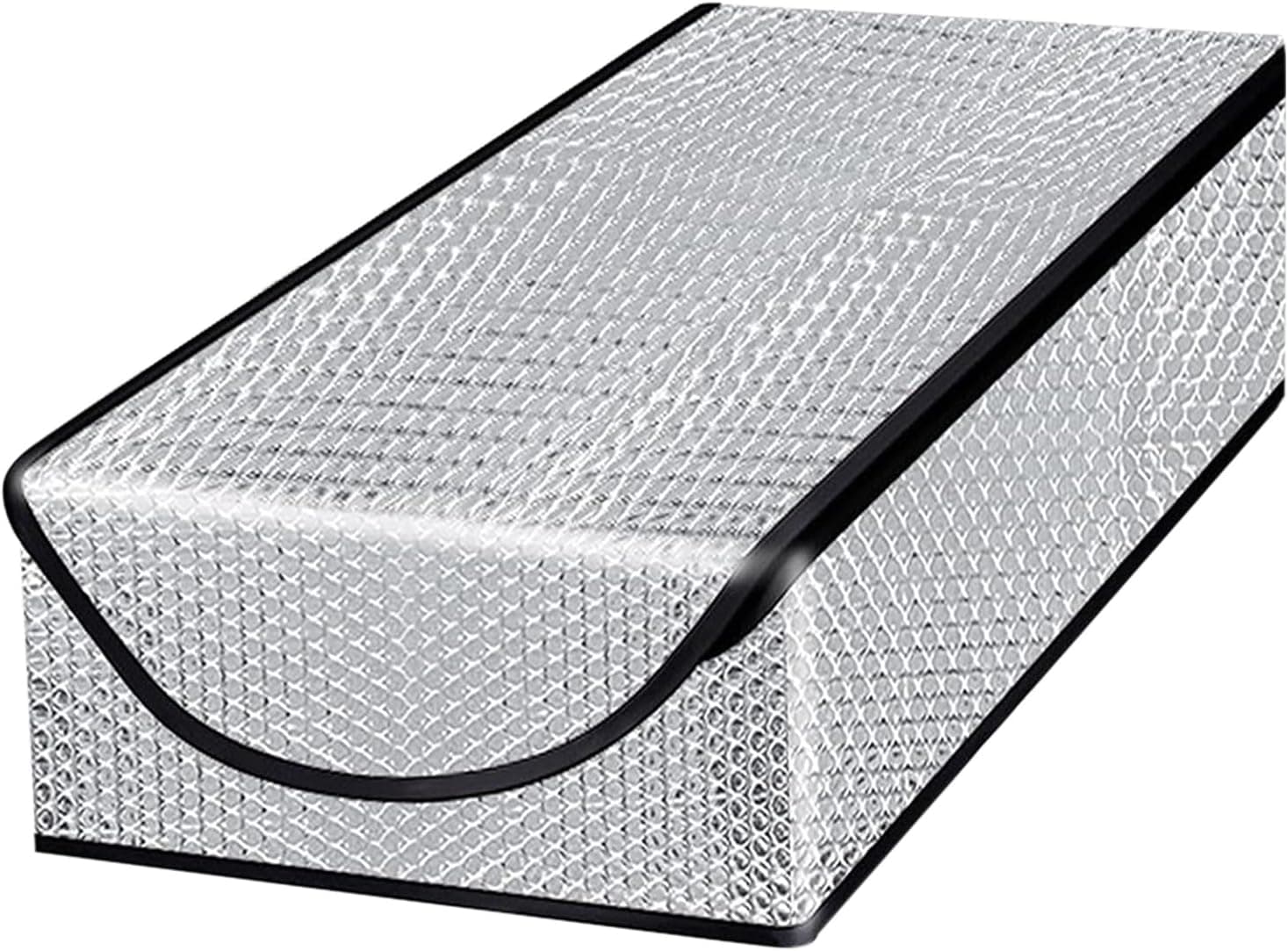
Loft Hatch Insulation Cover
~£25An uninsulated loft hatch is a significant heat loss point. This is a 5-minute fix.
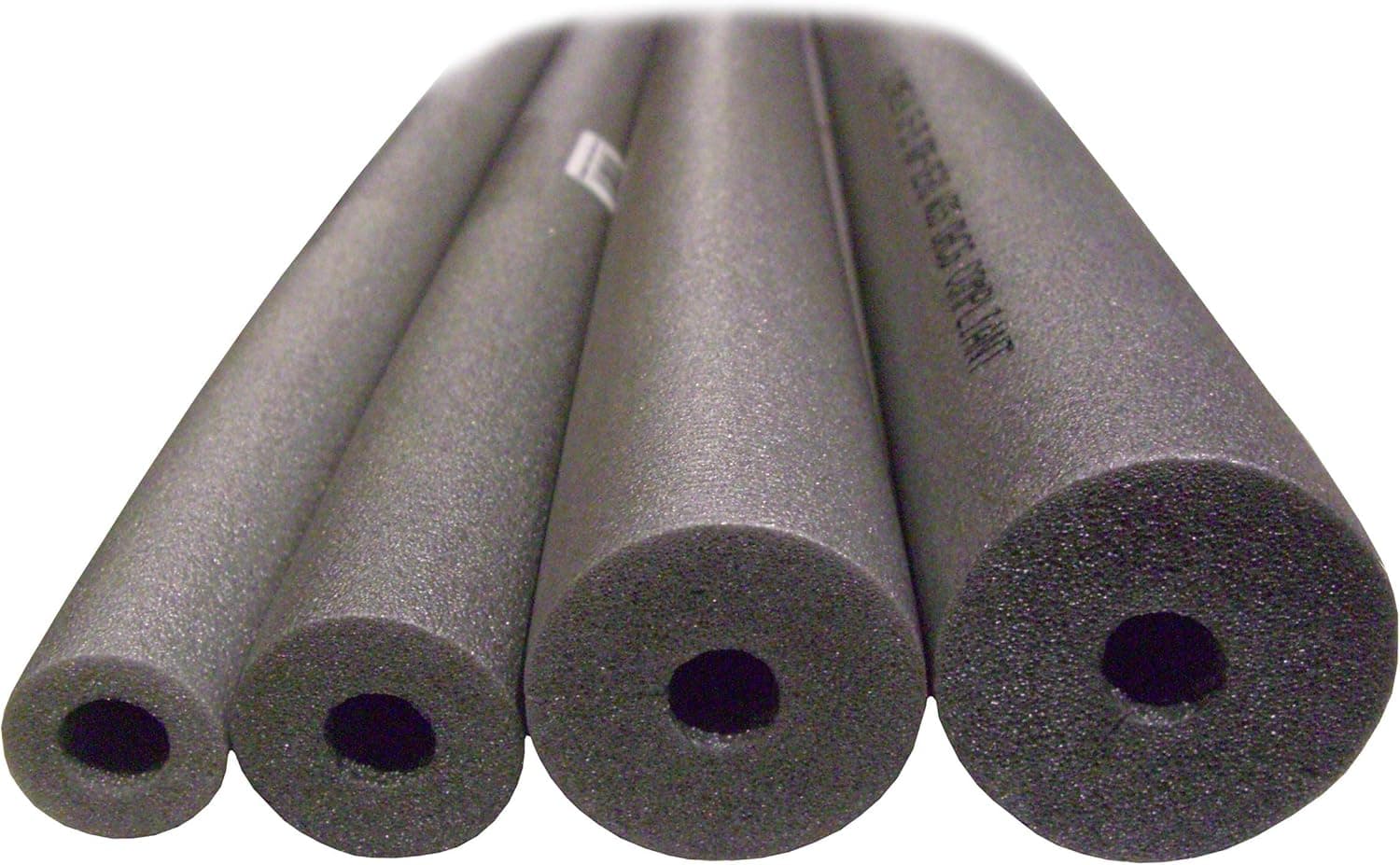
Climaflex Pipe Insulation 22mm (5m Pack)
£7.08Uninsulated pipes in lofts and garages waste heat. Pipe lagging is cheap and takes minutes to fit.
As an Amazon Associate we earn from qualifying purchases. Prices and stock are checked against Amazon every few hours and may have changed since.
