Are Heat Pumps Worth It? Honest Pros and Cons for UK Homes
An honest assessment of heat pump pros and cons for typical UK homes.
Are Heat Pumps Worth It in the UK? An Honest Assessment for 2026
The question every homeowner asks before spending £8,000–£15,000 on a new heating system deserves a straight answer. Heat pumps are not the right choice for every home, and anyone who tells you otherwise is selling something. This guide walks through the genuine advantages and real drawbacks, so you can decide whether a heat pump makes sense for your specific situation right now — or whether you should wait.
The Genuine Benefits of Heat Pumps
Lower Annual Running Costs
For a well-insulated three-bedroom home, an air source heat pump typically costs £800–£1,200 per year to run, compared to £900–£1,400 for a gas boiler. That is a saving of roughly £200–£400 per year once your home is properly set up. The saving grows if you use a time-of-use electricity tariff such as Octopus Cosy or Intelligent Octopus, which can cut your overnight electricity rate to 7.5p/kWh or lower.
These savings compound over time. Over a typical 15-year heat pump lifespan, you could save £3,000–£6,000 on energy bills compared to running a gas boiler — even accounting for the higher cost of electricity versus gas per unit.
The £7,500 Boiler Upgrade Scheme Grant
The government's Boiler Upgrade Scheme (BUS) currently offers a £7,500 grant towards the cost of an air source heat pump. This grant is paid directly to your MCS-certified installer, meaning you never see the money — it simply reduces your invoice. With many air source heat pumps installed for £10,000–£14,000 before the grant, the BUS brings your out-of-pocket cost down to £2,500–£6,500 in many cases.
The grant is available to homeowners in England and Wales who are replacing a fossil fuel heating system. Scotland and Wales have their own additional schemes on top of this.
Future-Proofing Against the Gas Ban
New gas boilers will be banned in new-build homes from 2027, with a full phase-out in existing homes targeted for 2035. While government policy can change, the direction of travel is clear: gas heating is being phased out. Installing a heat pump now means you are ahead of the curve, and you will not face the pressure of replacing a boiler during a period of high installer demand and potentially reduced grants.
Lower Carbon Emissions
A modern air source heat pump running on the UK grid produces roughly 40–60% less carbon than a gas boiler, and that figure improves every year as the grid gets cleaner. If you also install solar panels, you can push your heating carbon footprint close to zero during spring and autumn.
The Real Drawbacks You Need to Know
High Upfront Cost
Even after the £7,500 BUS grant, many homeowners will spend £4,000–£8,000 out of pocket. If your home also needs new radiators, upgraded pipework, or better insulation before installation, the total cost rises further. Payback periods of 8–15 years are common, which means heat pumps are a long-term investment, not a quick win.
You May Need New Radiators
Heat pumps work most efficiently at lower flow temperatures (35–45°C) compared to gas boilers (60–70°C). Many older radiators are sized for these higher temperatures and will not heat your rooms adequately at lower settings. Replacing radiators costs £150–£400 per radiator, and a full house replacement can run to £1,000–£3,000. A good installer will carry out a room-by-room heat loss calculation to tell you exactly which radiators need replacing before you commit.
Insulation Is Essential First
A heat pump cannot compensate for a poorly insulated home. If your loft is uninsulated, your walls are uninsulated, or you have significant draughts, you will find your heat pump runs constantly and your bills are higher than expected. Insulating before installing a heat pump is not optional for older properties — it is a prerequisite. Budget for insulation work first if your home needs it.
Noise
Heat pumps make noise. Most modern units produce 40–60 dB(A) when running — roughly the same as a fridge at the quieter end and a normal conversation at the louder end. They run for longer periods than gas boilers (often 8–16 hours per day in winter rather than short bursts), which means the noise is more sustained. Regulations require that the unit does not exceed 42 dB(A) at your nearest neighbour's window, but the sound is audible in your garden. See our guide to heat pump noise levels for details on the quietest models and how to position your unit.
Slower Response Than Gas
Heat pumps work best when run continuously at a low, steady temperature rather than being turned on and off sharply. If you are used to turning your boiler up when you get home on a cold day and feeling warm within 20 minutes, you will need to adjust your habits. Heat pumps typically run on weather compensation curves, keeping the house at a consistent temperature throughout the day. This is more efficient, but it requires a different mindset — and a decent smart thermostat.
Who Should Get a Heat Pump Now
- Your home is well-insulated — EPC rating C or above, loft and wall insulation already in place, minimal draughts
- You are replacing an old or broken boiler — If your gas boiler is over 10–12 years old and facing replacement anyway, a heat pump is the logical next step rather than spending £2,000–£3,500 on a new gas boiler
- You qualify for the BUS grant — You are replacing a fossil fuel system (gas, oil, or LPG) and are in England or Wales
- You have the budget — You can comfortably cover the net cost after the grant without financial strain
- You have space for the outdoor unit — A clear external wall or garden area at least 1 metre away from boundaries
Who Should Wait
- Your home is draughty or uninsulated — Sort insulation first; a heat pump in a leaky home is an expensive disappointment
- Your boiler is under 5 years old — Unless it is oil or LPG (where the running cost savings are larger), it rarely makes financial sense to replace a recent gas boiler
- You are planning a major renovation — Wait until building work is complete; you may be able to add underfloor heating at the same time, which is ideal for heat pumps
- You cannot access the BUS grant — If you are already on electric heating or the grant scheme is paused, the financial case is harder to make
The Bottom Line
Heat pumps are worth it for the right home with the right preparation. They are not a universal solution dropped onto any property. The homeowners who get the best results are those who treat the installation as part of a broader home upgrade — improving insulation, right-sizing radiators, and using a smart thermostat. Done properly, a heat pump will save you money year after year, reduce your carbon footprint, and mean you never have to worry about a gas boiler again.
For more detail on the numbers, read our full guide to heat pump running costs, or use our heat pump savings calculator to model your specific home.
Products to Help You Prepare
If you are still deciding, these tools help you understand your home's energy use and readiness for a heat pump.
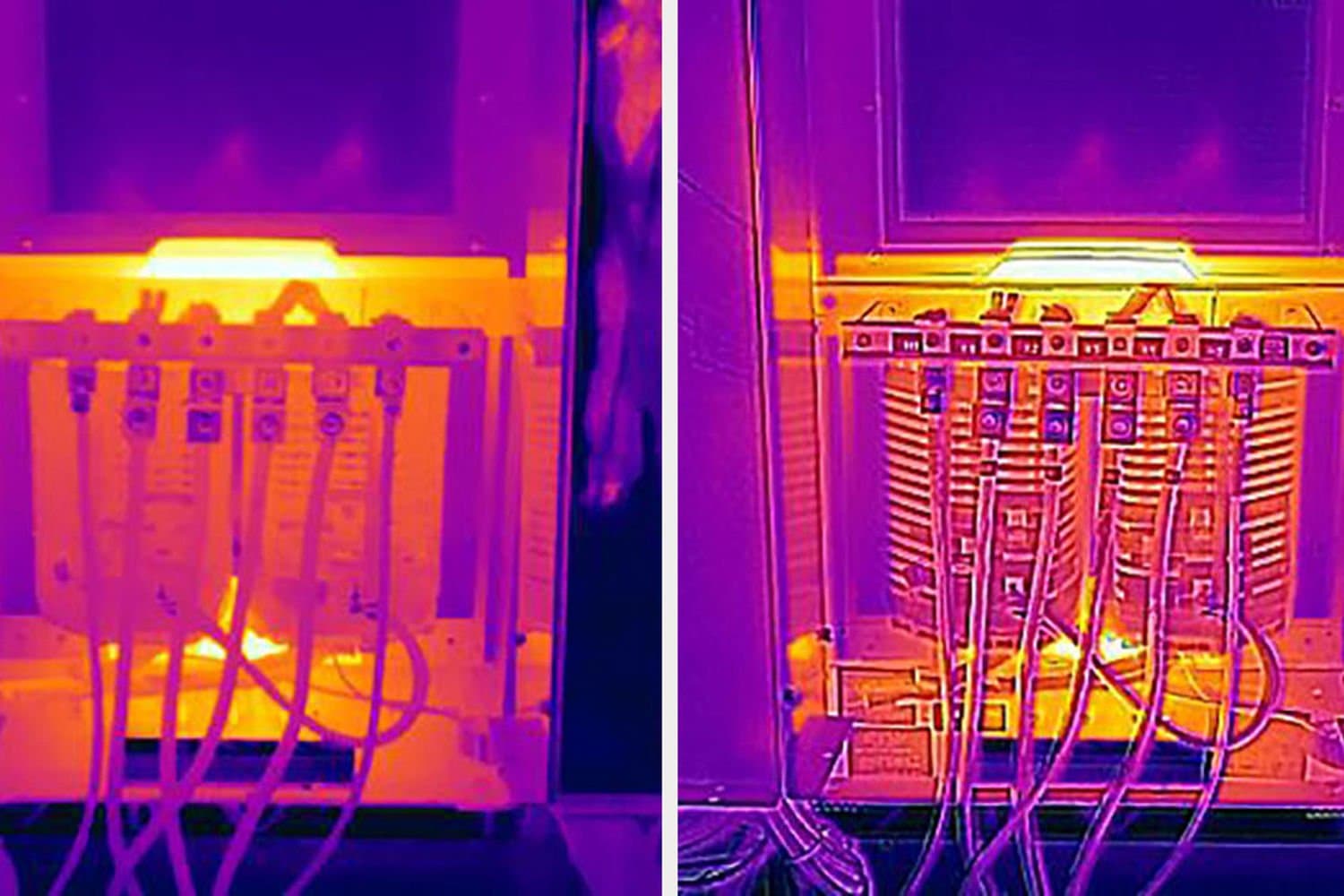
FLIR ONE Gen 3 Thermal Camera (Smartphone)
£190–£250See exactly where your home loses heat. Invaluable for prioritising insulation work before a heat pump install.
OWL Intuition-e Energy Monitor
£50–£80See exactly how much electricity your heat pump or home uses in real time — essential for tracking savings.
As an Amazon Associate we earn from qualifying purchases. Product prices and availability are accurate as of the date of publication and may change.