
The Short Answer
Yes, the combo is worth it for most homes that are doing both anyway. A typical 3-bed gas home on a £1,300 heating bill, pairing a heat pump with a 5 kWp solar array and a 10 kWh battery, saves around £1,504 a year versus the gas-and-grid baseline. Net upfront after the £7,500 Boiler Upgrade Scheme grant and 0% VAT on solar is around £16,000. Set against the £2,750 you'd have spent on a replacement boiler anyway, the extra £13,250 pays back in 8.8 years. Solar and the battery account for about £970/year of that saving; the heat pump on its own delivers the other £531.
Estimate Your Combined Saving
The numbers shift a lot depending on home size, current heating fuel, and whether you add a battery. Pick the closest match below to get a personalised figure.
1. What heats your home today?
Pick whichever your main heating uses.
Add up last year's bills, or use the typical figure for your home below.
3. What size is your home?
We use this to size both the heat pump and the solar array.
4. Which combo are you considering?
Solar pairs especially well with a heat pump because both run on electricity.
Your estimated saving
£1,504a year
Over 20 years that's around £30,075 off your energy bills (solar panels typically last 25+ years, so the long-run figure is higher).
Heating saving
£871 / year
Heat pump replaces fuel bill
Household elec offset
£490 / year
Solar powers fridge, lights, etc.
SEG export income
£143 / year
Selling spare solar to grid
What about the upfront cost?
- Heat pump install (8-10 kW ASHP)
- £11,000
- Solar panels (5 kWp, 0% VAT)
- £7,500
- 10 kWh battery (0% VAT)
- £5,000
- Less Boiler Upgrade Scheme grant
- -£7,500
- You pay
- £16,000
If your boiler needs replacing anyway, the combo costs about £13,250 more upfront than a like-for-like boiler swap - earned back in roughly 8.8 years from running cost savings.
Like the look of £1,504 a year?
These are estimates. The only way to know your real saving is a free quote from MCS-certified installers. Takes 2 minutes, no obligation, no pushy sales calls.
How we worked this out
Energy prices: Ofgem price cap for 1 October to 31 December 2026 (Direct Debit, GB average): gas 7.97p/kWh, electricity 26.32p/kWh. There is no VAT on domestic electricity from 1 October 2026 to 31 March 2027; the gas figure includes 5% VAT. Heat pump tariff blended at 20p/kWh, an estimate rather than a quoted rate. Heating oil 10.97p/kWh, LPG 11p/kWh.
Heat pump efficiency: SCOP of 3.5. Real-world average across 252 monitored UK ASHPs on heatpumpmonitor.org is 3.87 (January 2026), so we've picked a conservative figure.
Solar: 950 kWh per kWp per year (south-facing, central England). Solar self-consumption 45% without battery, 75% with a 10 kWh battery. Of the self-consumed kWh, the heat pump can use up to 1,000 kWh (panels) or 1,700 kWh (panels + battery); the rest powers the rest of the household. Spare solar exports at 12p/kWh under the Smart Export Guarantee (Octopus Outgoing rate, dropped from 15p to 12p on 1 March 2026).
Install costs: Heat pump £9,000-£13,000 by home size (Energy Saving Trust 2026). Solar panels £6,000-£9,000 by system size, 0% VAT until March 2027. Battery £5,000 typical for 10 kWh installed alongside new solar. The £7,500 grant is the Boiler Upgrade Scheme (gov.uk) for England and Wales.
Estimates only. Your actual saving depends on roof orientation/shading, installer quotes, your home's heat loss, and your electricity tariff. Always get an MCS heat loss survey and a roof survey for accurate figures.
Why Solar and a Heat Pump Are Worth More Together
Two reasons. First, both technologies run on electricity. Every kWh your panels generate that you use yourself is a kWh you don't have to buy from the grid at 26.32p, and every kWh you export only earns 12p under the Smart Export Guarantee (Octopus Outgoing dropped from 15p to 12p on 1 March 2026). The heat pump gives you a much bigger appliance to soak up that solar generation, lifting self-consumption from around 45% (a typical solar-only household, the figure we use across this site) to 55-65% with a heat pump soaking up daytime generation, or about 75% once a 10 kWh battery is in the mix too.
All the generation figures on this page assume 950 kWh per kWp a year, which is what a south-facing, unshaded roof in central England gets.
Second, the seasons line up well enough. Solar generates most in spring and summer, the heat pump uses most in autumn and winter. The shoulder seasons (March-May, September-November) are when the overlap is biggest, and that's where most of the direct heat-pump-on-solar savings come from. In deep winter you'll buy grid electricity for heating; in deep summer the panels mostly heat hot water and earn export income.
How Much Electricity Does a Heat Pump Use?
Roughly 3,000-5,500 kWh a year for space heating and hot water in a typical UK home, depending on home size and insulation. Well-insulated 3-bed semi: ~3,500 kWh. Older 4-bed detached: 5,500+ kWh.
The seasonal split for a normal UK home:
- Winter (Dec-Feb): 40-50% of annual heating demand. Solar generates very little here, so most of this is grid electricity.
- Spring/Autumn (Mar-May, Sep-Nov): 40-45% of demand. Best overlap with solar generation.
- Summer (Jun-Aug): 10-15% (mostly hot water). Almost all of this can be solar.
How to Size the System
For a home with a heat pump, size the solar bigger than you would for a gas-heated house. The extra electricity demand justifies more panels. Rough sizing:
| Home Type | Heat Pump | Solar | Battery | Combo Cost (Net) |
|---|---|---|---|---|
| 1-2 bed flat / small terrace | 5-7 kW ASHP | 4 kWp | 5-10 kWh | ~£12,500 (after BUS) |
| 3 bed semi or terraced | 8-10 kW ASHP | 5 kWp | 10 kWh | ~£16,000 (after BUS) |
| 4+ bed detached | 11-14 kW ASHP | 6 kWp | 10-13.5 kWh | ~£19,500 (after BUS) |
Net costs include the £7,500 Boiler Upgrade Scheme grant on the heat pump and 0% VAT on solar and battery (Energy Saving Materials relief, valid until March 2027). The BUS and 0% VAT can be claimed at the same time. For battery options and payback, see our solar battery storage guide.
Quote solar and a heat pump together
Installers who fit both can size the system as one job and tell you which to do first. Get free quotes from MCS-certified installers in 60 seconds.
Get free quotesHeat Pump First or Solar First? Our View
If you're doing both within 12 months, install the heat pump first for most homes. Three reasons:
- BUS grant waiting lists. MCS-certified heat pump installers in many parts of the UK have multi-month lead times. The grant pot is annual and gets reset each financial year, so getting in the queue sooner reduces the risk of delay.
- Real consumption data. Once the heat pump has been running for a season you'll know your actual electricity demand, which lets your solar installer size the array properly rather than guessing.
- Disruption order. Heat pump installs usually involve a hot water cylinder and possibly some radiator changes, all inside the house. Solar mounting on the roof is faster and less disruptive. Get the messy job done first.
Two situations where solar first is the right call:
- Your roof needs work. Re-felting, a new roof, or repairing flashings should happen before any panels go up. Worth doing the solar at the same time so you only scaffold once.
- Your gas boiler is fine and likely to last another 5+ years. If you don't want to scrap a working boiler yet but you do want to start cutting bills, solar earns you SEG income and reduces grid imports straight away. The heat pump can come later when the boiler dies.
Whatever order you pick, ask the solar installer to spec a hybrid inverter sized for the future heat pump load. It costs the same and saves a consumer-unit upgrade down the line.
What You Don't Need
A few things often get oversold for a solar+heat pump setup. Skip these unless your installer can show a real reason:
- A solar diverter for hot water (e.g. Eddi). If your heat pump has weather compensation and a properly programmed schedule, it'll already heat the hot water cylinder during the day when solar is generating. A diverter at £550-£700 fitted doesn't add much on top of that. Diverters make sense for solar-only homes, not solar+HP.
- An oversized battery. Anything beyond 10 kWh hits diminishing returns fast for a typical UK household. A 13.5 kWh Tesla Powerwall is occasionally worth the premium for whole-home backup, but for a financial case alone, 10 kWh is usually the sweet spot.
- An inverter "rated for future expansion" you won't use. Hybrid inverters in the 5-6 kW range cover almost all UK homes. Only go bigger if you're planning genuinely large generation (8+ kWp) or multiple batteries.
- Premium panels. Mid-tier panels at ~21% efficiency are fine for almost every UK roof, and since SunPower Maxeon left the UK market there's barely a premium tier left to buy. If someone quotes you one, ask what it does that a Longi Hi-MO 6 doesn't.
Tariffs Matter More Than People Realise
The headline saving above assumes a heat pump tariff (E.ON Next Pumped, EDF Heat Pump Tracker, or Cosy Octopus) blended at around 20p/kWh. On a standard tariff at 26.32p you'd pay roughly 32% more for the heat pump electricity you do still buy.
If you're adding a battery, the tariff you put it on matters more than the brand on the box. Octopus's Intelligent Octopus Flux charges the battery off-peak and exports into the 4-7pm peak for you, and Octopus advertises up to £300/year of profit from it. The catch, checked on octopus.energy on 18 September 2026: Flux's intelligent version is temporarily unavailable to new customers because of volatile wholesale prices. Standard Octopus Flux is still open. Don't buy a battery on the strength of a tariff you can't currently sign up to, and don't let an installer quote you savings that depend on one. For a full battery comparison, see our battery storage guide.
Frequently Asked Questions
For broader cost context, see our guides to heat pump costs and solar panel costs. To model the heat pump on its own, use the heat pump savings calculator.
Optimise Your Solar + Heat Pump System
Getting the most from solar and a heat pump together means monitoring generation and controlling when your heating runs.
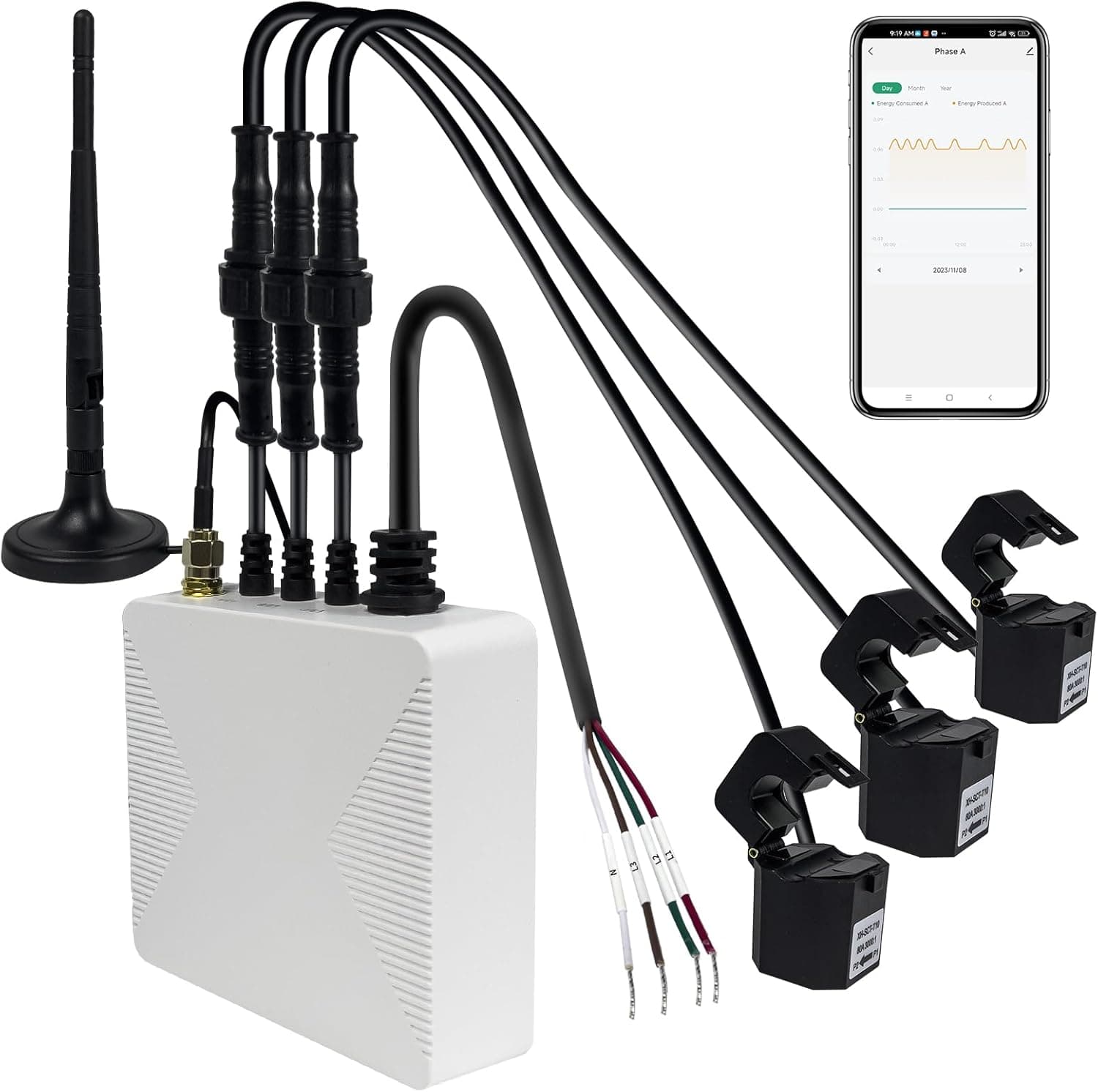
OWON WiFi Smart Energy Monitor
£53.54See exactly how much electricity your heat pump or home uses in real time, essential for tracking savings.
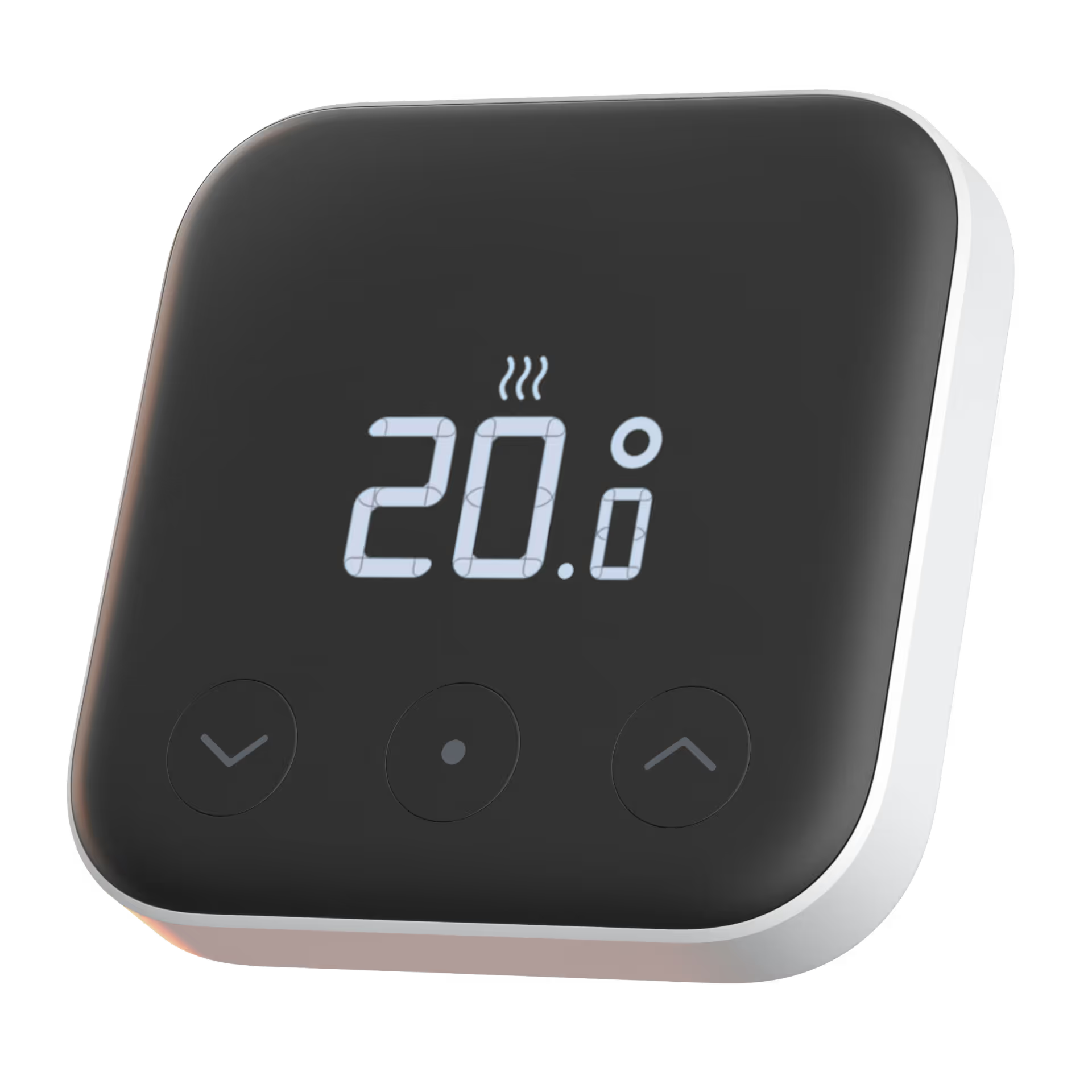
tado° Smart Thermostat Starter Kit V3+
£109.99Works with heat pumps via OpenTherm for weather compensation, reducing running costs by 10–20%.

Solar Panel Cleaning Kit with Extension Pole
£38.66Dirty panels lose 5–15% output. Cleaning twice a year keeps generation at its peak.
As an Amazon Associate we earn from qualifying purchases. Prices and stock are checked against Amazon every few hours and may have changed since.
