Best Solar Panel Accessories UK 2026
Protect your solar investment and keep panels performing at their peak with these accessories.
The Short Answer
You've spent £5,000–£10,000 on solar panels. Spend another £100–£150 on three things: a cleaning kit (dirty panels lose 5–15% output), bird proofing mesh (pigeon nests under panels are expensive to remove), and an energy monitor (so you actually know what you're generating and using). That's it. Everything else is optional or not worth the money.
What's Actually Worth Buying
Cleaning Kit with Extension Pole
Solar panels get dirty. Rain helps, but it doesn't shift bird droppings, tree pollen, or the grey film of grime that builds up over a year or two — especially on low-pitched roofs where water doesn't run off as fast. Dirty panels produce measurably less electricity: studies consistently show 5–15% less output, and in areas with lots of birds or trees it can be worse.
A cleaning kit with a 6-metre telescopic pole lets you wash panels safely from the ground — no ladders, no climbing on the roof. Connect a garden hose, extend the pole, scrub gently with the soft brush, squeegee off. Twice a year (spring after pollen season, autumn after leaf fall) keeps them at peak performance.
Professional cleaning costs £50–£100 per visit. A kit costs £30–£50 and lasts for years. After one clean, it's paid for itself.
Bird Proofing Mesh — Do This Before You Need To
Pigeons love the gap under solar panels. It's warm, it's sheltered, it's elevated — perfect nesting spot. The problem is that nests block the airflow panels need to stay cool (hot panels are less efficient), birds soil the panel surface from above, and nesting material can damage the wiring underneath. Once pigeons are established, removing them costs £150–£300 and often means temporarily removing panels.
A stainless steel mesh kit clips around the perimeter of your panels, closing the gap between the frame and the roof. A 30-metre roll with clips covers a typical 8–12 panel system. It's virtually invisible from the ground and doesn't affect performance or warranty.
The best time to fit this is during the solar installation — ask your installer to add it while they're on the roof. Retrospective fitting is doable as a DIY job if you're comfortable with ladder work, but it's far easier to do at the same time.
Energy Monitor — Know What You're Generating
Your solar inverter probably has basic monitoring, but a dedicated energy monitor shows you the full picture: how much you're generating, how much you're using from the grid, and how much you're exporting. This matters because electricity you use directly from your panels is worth 24p/kWh (avoided grid purchase), while exported electricity earns just 4–5p/kWh.
The OWL Intuition-e is our top pick for overall energy monitoring. If you specifically want to track solar generation and consumption on separate channels, the Efergy Engage Hub supports multiple sensors. Either way, you'll quickly learn when to run appliances to maximise self-consumption — and that shift alone saves £100–£200 per year.
Cost Summary
| Accessory | Cost | Why It Matters | Payback |
|---|---|---|---|
| Cleaning kit | £30–£50 | Prevents 5–15% generation loss | After 1 clean |
| Bird proofing mesh | £40–£65 | Prevents nesting damage | Avoids £150–£300 removal |
| Energy monitor | £50–£90 | Optimise self-consumption | £100–£200/yr saved |
What You Don't Need
A few things commonly upsold alongside solar panels that aren't worth the money for most people:
- Retrofit solar optimisers — these make sense if you have significant shading from trees or chimneys across part of your roof. For a typical unshaded south-facing roof, they add cost for negligible benefit. Your installer should have flagged shading issues before installation.
- Solar immersion diverters — these send surplus solar electricity to your hot water tank instead of exporting it. Sounds smart, but the economics only work if you don't have a battery and your self-consumption is already low. For most systems, the money is better spent on a battery, which stores electricity for evening use rather than just heating water.
For a full breakdown of solar costs, see our solar panel costs guide. Thinking about adding a battery? Our battery storage guide covers whether it's worth the investment.
Our Top Solar Accessory Picks
These accessories protect your panels and help you maximise your solar return.
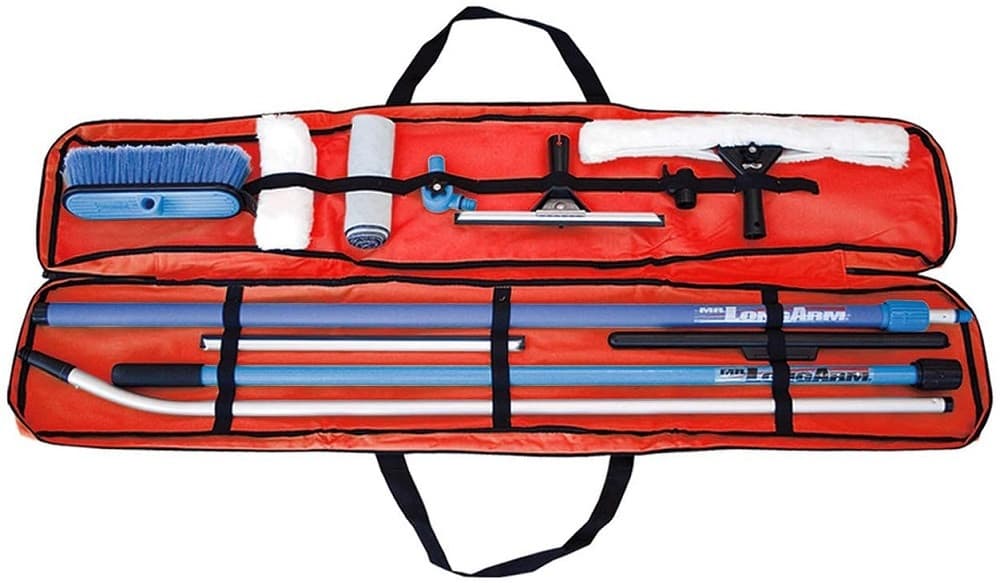
Solar Panel Cleaning Kit with Extension Pole
£30–£50Dirty panels lose 5–15% output. Cleaning twice a year keeps generation at its peak.
Solar Panel Bird Proofing Mesh Kit (30m)
£40–£65Pigeons nesting under panels cause damage and reduce output. Much cheaper than paying someone to remove nests later.
OWL Intuition-e Energy Monitor
£50–£80See exactly how much electricity your heat pump or home uses in real time — essential for tracking savings.
As an Amazon Associate we earn from qualifying purchases. Product prices and availability are accurate as of the date of publication and may change.