Do I Need New Radiators for a Heat Pump?
Whether your existing radiators will work with a heat pump, and what to do if they won't.
Do I Need New Radiators for a Heat Pump?
This is one of the most common questions homeowners ask before installing a heat pump — and the answer is: it depends on your home. Some houses can use every existing radiator without spending a penny on upgrades. Others need five, eight, or even ten radiators replaced before a heat pump will heat the home comfortably. Understanding why will help you budget accurately and avoid nasty surprises.
Why Heat Pumps Need Larger Radiators
A gas boiler typically heats water to between 60°C and 80°C before circulating it through your radiators. A heat pump, by contrast, works most efficiently at much lower flow temperatures — usually 35°C to 55°C. This is a fundamental difference in how the two systems operate.
The amount of heat a radiator emits depends directly on the temperature difference between the water inside it and the air in the room. A radiator running at 75°C will push out significantly more heat than the same radiator running at 45°C. If you drop the flow temperature from 75°C to 45°C, the heat output from a standard radiator roughly halves.
To compensate, you have two options: run the heat pump at a higher flow temperature (reducing its efficiency), or fit larger radiators that produce the same total heat output at lower temperatures. The second option is nearly always better for your running costs.
When Your Existing Radiators May Be Fine
Not every home needs radiator upgrades. Your existing radiators may be perfectly adequate if:
- Your home is well insulated — loft insulation, cavity wall insulation, and double glazing reduce the heat demand so much that smaller radiators can cope
- Your radiators were already oversized when installed — many older homes have larger radiators than strictly necessary, which means there is a buffer available
- You are happy to run the heat pump at 45°C to 55°C flow temperature, accepting slightly higher running costs in exchange for avoiding radiator replacement costs
- You have a well-insulated modern home built after 2000, where heat loss is low enough for existing radiators to keep pace
A good MCS-certified heat pump installer will carry out a room-by-room heat loss survey. This calculates how much heat each room needs on the coldest day of the year and checks whether your existing radiators can deliver it at the intended flow temperature. Do not accept a quote from any installer who skips this step.
When You Will Need to Upgrade
Radiator upgrades are likely if you have:
- Cold rooms that are hard to heat even now — these almost certainly have undersized radiators
- Small, decorative radiators that were chosen for appearance rather than output
- Poor insulation — solid walls, uninsulated loft, or single glazing mean heat demand is too high for standard radiators at low flow temperatures
- A large older property with high ceilings, where heat loss is substantial
How to Size Replacement Radiators
The general rule of thumb is that replacement radiators should be 1.5 to 2 times the output of the radiators they replace. In practice, your installer calculates the required output (in watts) for each room based on the room's heat loss, then selects a radiator large enough to deliver that output at the system's design flow temperature.
For example, a room with a heat loss of 1,000W at design conditions needs a radiator rated for at least 1,000W — but that rating must be at the actual flow temperature you plan to use, not the standard 75°C test temperature quoted in most manufacturer catalogues. Always ask your installer to confirm radiator outputs at the actual flow temperature, typically stated as output at ΔT50 (the difference between mean water temperature and room temperature).
What Radiator Upgrades Cost
| Scenario | Radiators Replaced | Approximate Cost |
|---|---|---|
| Small terraced house, well insulated | 0–3 | £0–£900 |
| Average semi-detached, mixed insulation | 4–7 | £400–£2,100 |
| Larger detached or poorly insulated home | 7–12 | £700–£3,600 |
Individual radiator replacement typically costs £100 to £300 per radiator, including supply and labour. A double-panel, double-convector radiator (the most common upgrade) costs around £80–£180 for the unit itself, with fitting adding £60–£120 depending on your location and whether any pipework modifications are needed.
A typical three-bedroom semi might need five to seven radiators replaced, bringing the total cost to £500 to £2,100. Larger homes needing more replacements could spend up to £3,000. These costs sit on top of the heat pump installation itself, so factor them into your overall budget from the start.
Alternatives to Replacing Radiators
Underfloor Heating
Underfloor heating (UFH) is the ideal distribution system for a heat pump. It typically runs at flow temperatures of just 35°C, which is the sweet spot for heat pump efficiency. If you are renovating or building an extension, adding UFH at that point is well worth considering. Retrofitting UFH into an existing home with solid floors is more disruptive and expensive, but it is feasible in major refurbishments.
Fan Convectors
Fan convectors look similar to radiators but contain a small fan that blows room air over a heat exchanger. They transfer heat much more efficiently than passive radiators at low water temperatures, which means a smaller, lighter unit can produce the same output as a large radiator. They are a useful solution in rooms where space is limited. Costs are typically £200 to £500 per unit installed.
The Practical Approach
If you are getting heat pump quotes, ask each installer to include a detailed room-by-room assessment. Many installers will replace only the radiators that fall short, keeping costs down. Upgrading all radiators is often unnecessary and sometimes done to inflate quotes — get at least three proposals and compare the radiator upgrade recommendations carefully.
For more on heat pump running costs after installation, see our guide to heat pump running costs. If you are weighing the full cost picture, our heat pump costs guide covers everything from unit prices to grant funding. If you do need to upgrade, our best radiators for heat pumps guide covers what to buy. Adding smart TRVs for per-room control can also reduce waste significantly.
Smart TRVs for Room-by-Room Control
Whether or not you replace radiators, smart TRVs let you control each room individually — reducing energy waste and improving comfort.
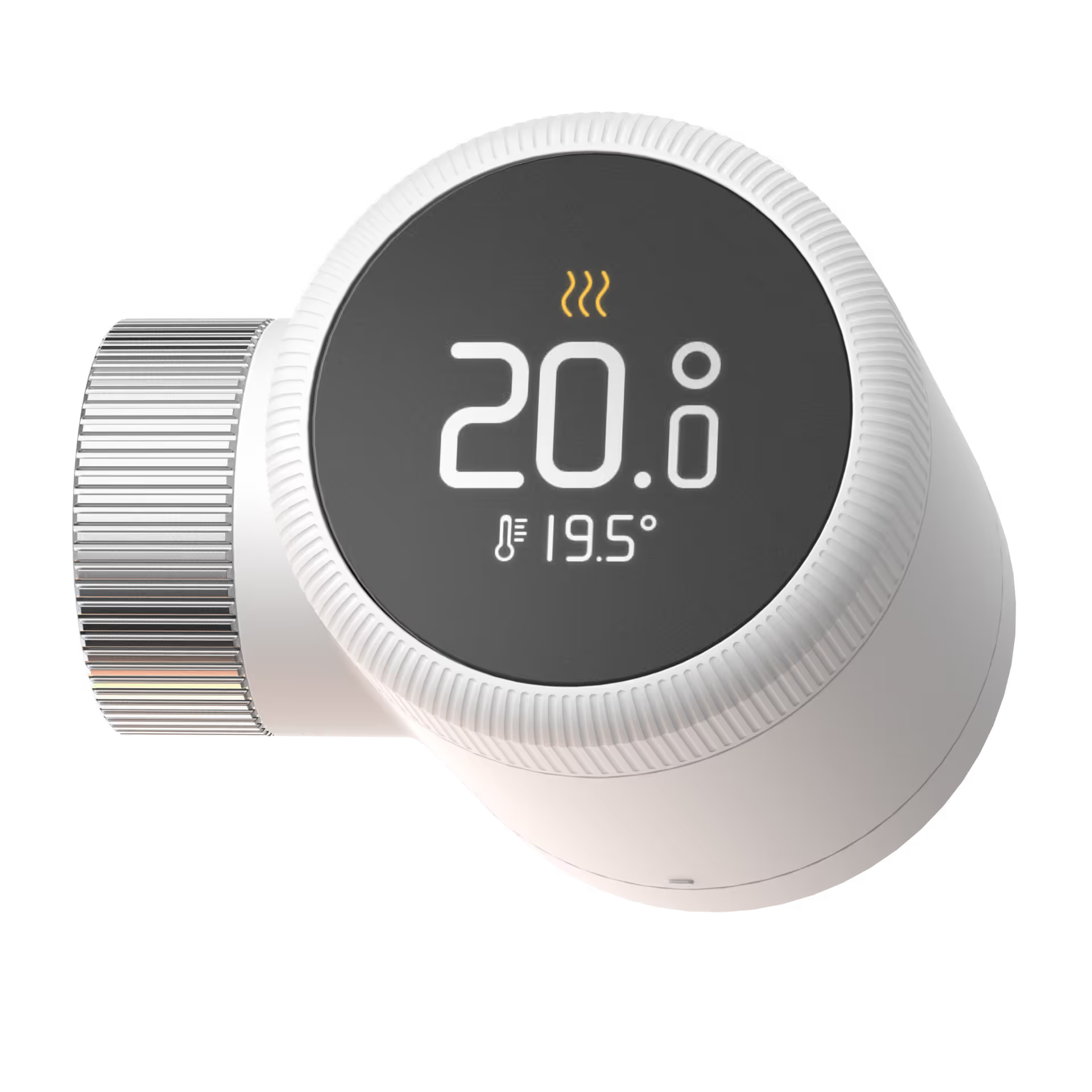
tado° Smart Radiator Thermostat (4-Pack)
£180–£250 (4-pack)Per-room temperature control reduces heat pump energy waste — only heat rooms you are using.
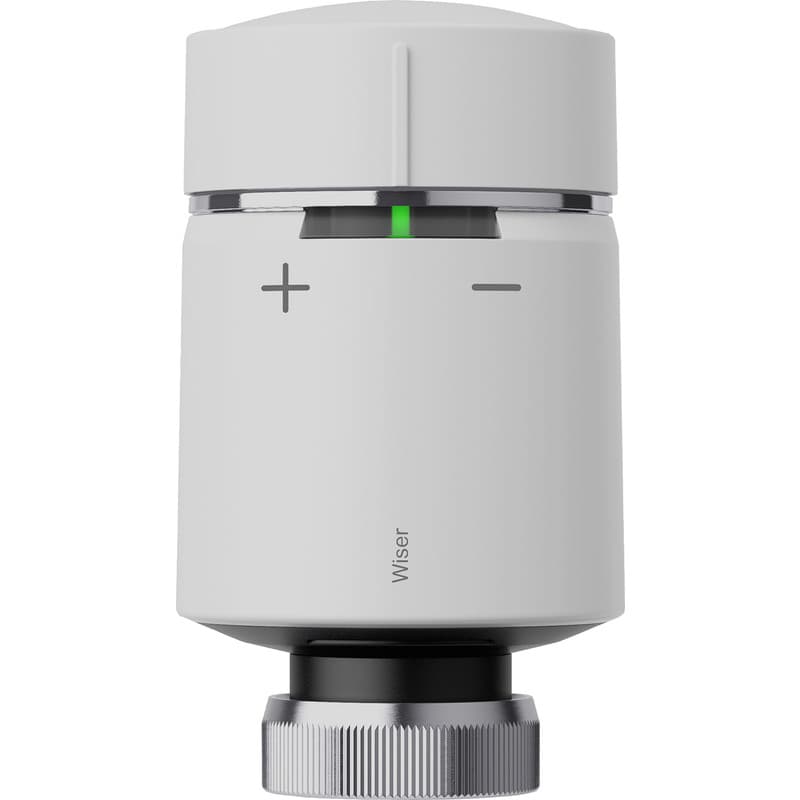
Drayton Wiser Smart TRV (2-Pack)
£80–£110 (2-pack)Budget-friendly smart TRVs — zone your heating so the heat pump only works as hard as it needs to.
As an Amazon Associate we earn from qualifying purchases. Product prices and availability are accurate as of the date of publication and may change.