Loft Insulation Guide: How Much Does It Cost and Save?
The cheapest and easiest insulation upgrade — costs, savings, and DIY options.
Loft Insulation Guide: How Much Does It Cost and Save?
Loft insulation consistently offers the best return on investment of any home energy measure in the UK. Up to 25% of a home's heat is lost through the roof, and adding or topping up insulation is relatively cheap, causes minimal disruption, and starts saving money from the first winter. This guide covers costs, savings, grants, how to do it yourself, and the common mistakes to avoid.
Why Loft Insulation Matters
Heat rises. In an uninsulated or under-insulated loft, the warmth you have paid to generate simply passes through the ceiling and dissipates into the cold roof space and out through the tiles. Insulating the loft floor creates a thermal barrier, keeping that heat where it belongs — in your living space.
UK building regulations currently require a minimum of 270mm of mineral wool insulation in new builds. The majority of older UK homes fall well short of this. A home insulated in the 1980s may have 100mm or less, and some pre-1970s homes have nothing at all. Even 150mm of insulation performs significantly worse than 270mm.
Loft Insulation Costs in 2026
DIY Costs
If you are reasonably capable with DIY work, laying mineral wool rolls yourself is well within reach for most homeowners. Material costs for a typical semi-detached house (approximately 50m² of loft floor area) are:
| Task | Material Cost | Notes |
|---|---|---|
| Top-up from 100mm to 270mm (170mm needed) | £150 – £300 | Lay rolls across joists at right angles to existing insulation |
| Full installation from scratch (270mm total) | £300 – £600 | 100mm between joists + 170mm across joists |
You will also need a dust mask rated FFP2 or higher, safety goggles, disposable gloves, and a board to kneel on across the joists. Do not kneel on the plasterboard ceiling — it will not support your weight. For a full shopping list of the best insulation rolls and accessories, see our best loft insulation products guide.
Professional Installation Costs
| Property Type | Professional Cost |
|---|---|
| Mid-terraced house | £400 – £650 |
| Semi-detached house | £500 – £800 |
| Detached house | £700 – £1,000 |
Professional installation includes labour, materials, and will often come with a guarantee. Many installers use blown insulation (loose fill) rather than rolls, which fills awkward corners and around joists more effectively.
How Much Can Loft Insulation Save?
| Scenario | Annual Saving (approx.) | Payback (DIY) | Payback (Professional) |
|---|---|---|---|
| No insulation to 270mm | £250 – £350 | 1 – 2 years | 2 – 3 years |
| 100mm to 270mm (top-up) | £100 – £150 | 1 – 2 years (materials only) | 3 – 5 years |
These figures are based on Energy Saving Trust data for a gas-heated semi-detached home. A detached house, or one in a colder part of the UK, will typically save more. Homes on heat pumps rather than gas will see different financial figures, but the comfort and efficiency benefit is the same.
Grants for Loft Insulation
Great British Insulation Scheme (GBIS)
Loft insulation is one of the core measures funded under GBIS. Eligible households in council tax bands A–D with an EPC rating of D or below can receive fully funded loft insulation at no cost. Apply through your energy supplier or via the government's simple energy advice service.
ECO4
Households on qualifying means-tested benefits can receive free loft insulation under ECO4, administered through energy suppliers. Qualifying benefits include Universal Credit, Pension Credit, Child Tax Credit, Housing Benefit, and others.
Scotland and Wales
Home Energy Scotland provides free advice, cashback grants of up to £1,500, and interest-free loans for insulation work. The Warmer Homes Scotland scheme covers the full cost for eligible households. In Wales, the Nest scheme funds insulation for those on low incomes or with certain health conditions.
DIY Loft Insulation: A Step-by-Step Guide
Laying mineral wool rolls is one of the few home energy improvements that a competent DIYer can tackle confidently. Here is how to do it correctly.
What You Need
- Mineral wool insulation rolls (100mm and 170mm, or 270mm deep rolls if your joists are deep enough)
- FFP2 or FFP3 dust mask (essential — fibreglass fibres are irritating to lungs)
- Safety goggles
- Disposable gloves and long sleeves
- Loft boards or plywood sheet to kneel on
- Torch or head torch
- Tape measure and scissors or a serrated knife to cut rolls
Step 1: Prepare the Loft
Check the loft for any damage: look for signs of damp, leaks, or bird nesting. Ensure the loft hatch is accessible. If there are any pipes or tanks in the loft, note their location — pipes above the insulation layer need their own lagging, as they will no longer be kept warm by rising heat from the house below.
Step 2: Insulate Between the Joists
Start by laying the first layer of mineral wool between the ceiling joists. Cut the rolls to length and push them down so they sit flush with the top of the joists. Do not compress the insulation — its effectiveness comes from the air trapped within the fibres. Fill all gaps, including around the loft hatch frame.
The first layer is typically 100mm, which fills most standard joist depths. If your joists are deeper, fill them entirely.
Step 3: Lay the Cross Layer
The second layer is laid at right angles across the joists. This cross-hatching pattern eliminates thermal bridging through the joists themselves. Use 170mm rolls to bring the total to 270mm, or 200mm rolls if you are adding a thicker top layer.
Do not compress the top layer by storing items on top of it. If you need storage space, lay loft boards on raised battens above the insulation.
Step 4: Insulate the Loft Hatch
The loft hatch is a significant weak point. Attach a piece of rigid insulation (such as 100mm PIR board) to the top of the hatch door, and fit draught-proofing strip around the frame. This is a small job that makes a noticeable difference.
Step 5: Lag Pipes and Tanks
Any pipes, water tanks, or cisterns in the loft must now be lagged with pipe insulation or tank jackets. They are no longer sitting in a warm air space — they will be exposed to freezing temperatures in winter without protection.
Loft Room vs Loft Space: A Different Approach
If your loft is a converted living space, or is used regularly for storage, the approach is different. Instead of insulating the floor (between house and loft), you insulate the roof slope (rafters) and the end walls (gable walls).
Warm roof insulation (insulating between and above the rafters) is more effective than cold roof insulation (insulating between the rafters only) but requires a roofer or specialist installer. Cold roof insulation can cause condensation problems on the underside of the roof if not installed with adequate ventilation — this is a job for a professional, not a DIYer.
The cost of insulating a loft room rises significantly: typically £3,000–£8,000 for a full warm roof conversion, depending on roof area and complexity.
Top-Up vs Full Replacement
If you already have some insulation — say, 100mm laid in the 1980s — you do not need to remove it. Simply lay a new cross layer of 170mm rolls on top to bring the total to 270mm. The existing insulation is still doing useful work, even if it has settled slightly over time.
Full replacement is only worth considering if the existing insulation is heavily contaminated (bird droppings, mould, or pest infestation), damaged by water, or so badly settled that it has lost its structure.
Common Mistakes to Avoid
- Compressing the insulation: Squashing mineral wool reduces its effectiveness. Do not stack items directly on rolls.
- Leaving gaps: Cold bridges at the eaves, around the loft hatch, and between rolls all undermine performance. Be thorough.
- Blocking eave ventilation: Lofts need airflow to prevent condensation. Do not push insulation right to the edge of the eaves — leave a gap for air to circulate. Use eave ventilation trays to maintain the airflow path.
- Forgetting to lag pipes and tanks: This can lead to frozen and burst pipes in winter, which is far more expensive than the cost of pipe insulation.
- Not wearing protection: Mineral wool fibres cause skin and lung irritation. Always wear a dust mask, goggles, and gloves.
Loft Insulation and Heat Pumps
If you are planning to install a heat pump in the next few years, loft insulation is the first measure to complete. It is cheap, has the fastest payback, and directly reduces your home's heat loss — meaning your heat pump can be sized smaller, which reduces both the upfront cost and the running costs. Read our guide on whether to insulate before getting a heat pump.
For a broader overview of all insulation options and how they compare, see our home insulation costs guide. Use our insulation savings calculator to estimate your annual savings based on your home type.
Summary
Loft insulation is the single most cost-effective energy improvement available to most UK homeowners. The payback period can be under two years for DIY, and the job is well within the capabilities of a careful DIYer. If you qualify for GBIS or ECO4 funding, you can have a professional installation at no cost. Check your current insulation depth first — if it is below 270mm, topping it up should be your first priority.
Everything You Need for DIY Loft Insulation
Loft insulation is one of the easiest and most rewarding DIY energy upgrades. Here is what you need.
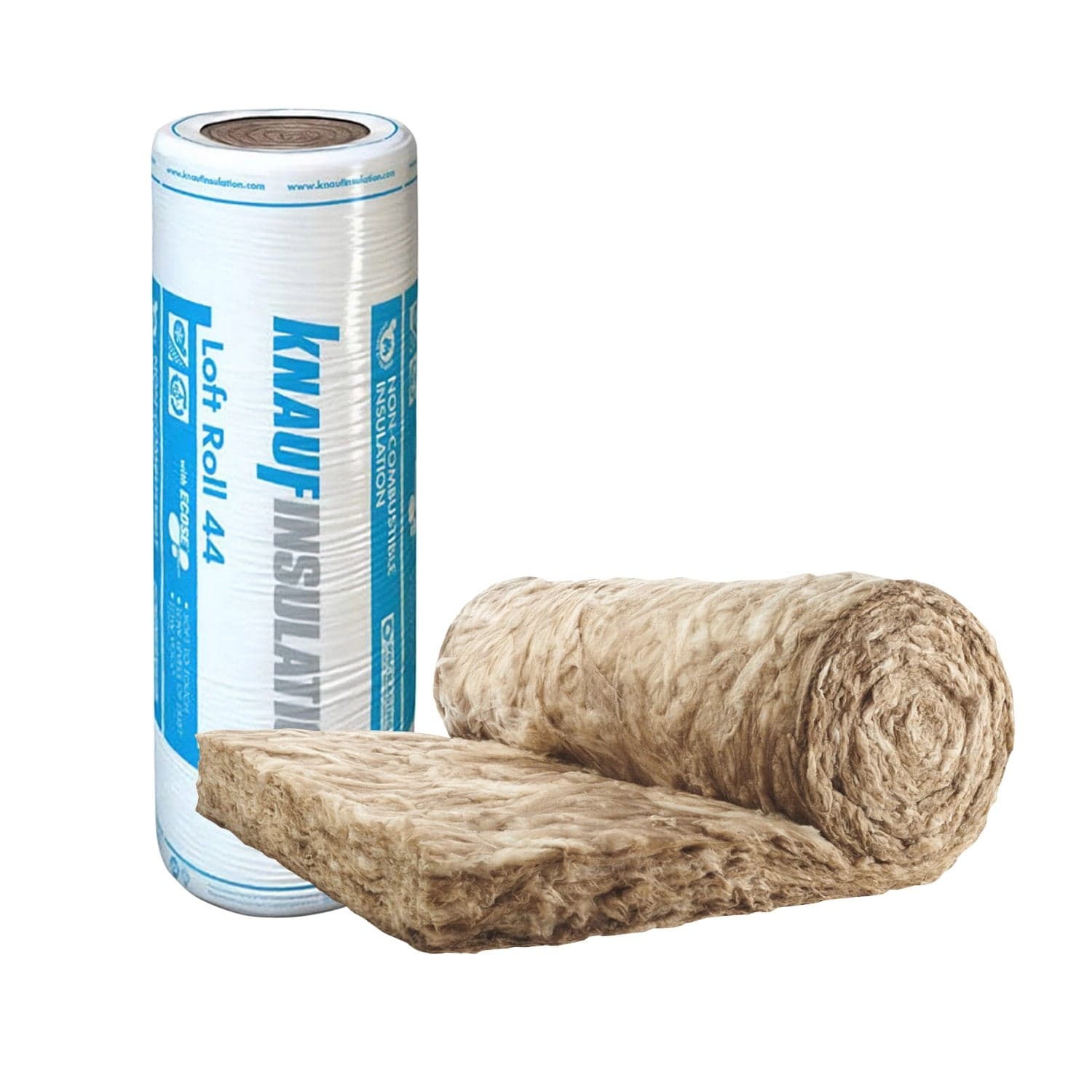
Knauf Loft Roll 44 — 170mm
£20–£30 per rollTop up existing loft insulation to reach the recommended 270mm. One of the most cost-effective energy upgrades.
Superglass Multi-Roll 100mm
£15–£25 per rollIdeal for topping up thin existing insulation. Lay over joists perpendicular to the first layer.
Loft Leg Insulation Spacers (12-Pack)
£20–£35 (12-pack)Board your loft for storage without squashing insulation — compressed insulation loses effectiveness.
Loft Hatch Insulation Kit
£15–£25An uninsulated loft hatch is a significant heat loss point — this is a 10-minute fix.
As an Amazon Associate we earn from qualifying purchases. Product prices and availability are accurate as of the date of publication and may change.