
Cavity Wall Insulation: Costs, Grants and Is It Worth It?
Cavity wall insulation is the measure everyone tells you to do, and it is worth doing, but the payback isn't the two or three years you'll read elsewhere. The Energy Saving Trust puts a typical Great Britain installation at around £2,200 and the saving on a semi at around £200 a year. That's roughly a decade to break even, on a material that lasts 25 years or more. It's still a sensible upgrade, particularly if a grant pays for it, but it's a long-term one. This guide covers how it works, what it really costs, what you'll really save, what grants are left, and when to avoid it entirely.
How Cavity Wall Insulation Works
Most UK homes built between roughly 1920 and 1995 have cavity walls (two layers of brick or block with a gap between them). That gap was originally designed to prevent damp from crossing from the outer to the inner wall. The problem is that it also allows cold air to circulate, drawing heat out of the building.
Cavity wall insulation fills that gap with an insulating material. A qualified installer drills small holes (typically 22mm) in a pattern across the external brickwork, injects the insulation through a nozzle under pressure, then fills and seals the holes with matching mortar. On an average home with easy-to-access walls the Energy Saving Trust says the job takes about two hours, and nobody needs to come inside.
What Materials Are Used?
| Material | How It Is Installed | Notes |
|---|---|---|
| Mineral wool (glass or rock wool) | Blown in as loose fibres | Most common. Resistant to moisture, does not settle over time. |
| Polystyrene beads (EPS) | Blown in with a bonding agent | Good thermal performance. The bonding agent prevents movement. |
| Polyurethane foam | Injected as expanding foam | Very effective, but can make future wall repairs difficult. Less common. |
Mineral wool is the most widely used and has a long track record in UK housing. Installers should be registered with the Cavity Insulation Guarantee Agency (CIGA), which provides a 25-year guarantee on the work.
How Much Does Cavity Wall Insulation Cost?
Costs vary primarily by property size. These are the Energy Saving Trust's published figures for an unsubsidised installation on a gas-heated home in Great Britain, alongside the saving and the payback that actually follows from them:
| Property Type | Typical Cost | Annual Saving | Payback |
|---|---|---|---|
| Mid-terraced house | £1,100 | £110 | ~10 years |
| Mid-floor flat | £950 | £110 | ~9 years |
| Detached bungalow | £1,700 | £160 | ~11 years |
| Semi-detached house | £2,200 | £200 | ~11 years |
| Detached house | £3,900 | £380 | ~10 years |
In Northern Ireland the same job is much cheaper, around £1,000 for a typical home, because installation costs are lower there.
These prices include a pre-installation survey, all materials, labour, and filling and sealing the drill holes. Most reputable companies also include the CIGA guarantee.
One thing worth flagging honestly: the Energy Saving Trust's own page says cavity wall insulation will "take only five years or less to make back the cost", but that doesn't square with the cost and savings figures it publishes right underneath. £2,200 in and £200 a year out is about 11 years, not five, and every house type in its table lands in the same 9 to 11 year range. We've used the table, because the table is where the arithmetic is.
What Affects the Price?
- House size: More external wall area means more drilling and more material.
- Number of storeys: Scaffolding or extended access equipment is needed for higher walls.
- Cavity width: Narrower cavities (50–75mm) are more difficult to fill evenly.
- Access: Conservatories, extensions, or difficult landscaping around the building may add cost.
- Location: Labour costs are higher in London and the South East.
So Is the Payback Any Good?
It's fine, not spectacular. About a decade for most house types, against a CIGA guarantee that runs for 25 years and insulation that generally keeps working well beyond that. You'll roughly double your money over the life of the measure, and you get a warmer house from the first winter.
What it isn't is the quick win the internet keeps calling it. If you're choosing where to put your next few hundred pounds, turning your thermostat down a degree (about £120 a year, free), fitting proper heating controls (about £100 a year for £150 to £250 of kit) and insulating a bare loft (about £190 a year for £750) all pay back faster. Do those first, then do this.
Actual savings depend on your current tariff, the size and age of your boiler, and whether you're at home during the day. Homes with poor existing insulation and those in colder parts of the UK tend to save more. About 33% of the heat lost from an uninsulated home goes out through the walls, so if your cavities are empty this is the single biggest hole in your house, even if it isn't the fastest one to pay for itself.
Does Your Home Have Cavity Walls?
The quickest way to check is by looking at the brickwork pattern. In cavity wall construction, bricks are typically laid in a stretcher bond, meaning you see the long face of every brick. In solid wall construction, you will typically see alternating courses where some bricks are turned sideways (header bond), though this is not always reliable.
A more reliable method is to measure the wall thickness at a window or door reveal. The Energy Saving Trust's rule of thumb is that a brick wall between 260mm and 350mm thick is likely to be a cavity wall. Anything narrower is probably solid, and a solid brick wall is usually 220–230mm. Stone walls are solid whatever their depth, and they can be up to 500mm. You can also check your EPC, which often states whether cavity wall insulation is present or recommended.
If in doubt, a surveyor can confirm with a borescope inspection (a small camera inserted into a drill hole to view the cavity directly).
House Age as a Guide
- Before 1920: Almost certainly solid walls. Cavity wall insulation does not apply.
- 1920 – 1975: Most likely cavity walls, probably not yet insulated.
- 1976 – 1995: Cavity walls, may have been partially or poorly insulated. Worth checking.
- After 1995: Building regulations required insulation; almost certainly already insulated.
When Is Cavity Wall Insulation NOT Suitable?
This is important. Installing cavity wall insulation in unsuitable properties can cause severe dampness and condensation inside walls, leading to mould, structural damage, and costly remediation work.
Situations Where It May Not Be Suitable
- Exposed locations: Properties in areas with consistently high wind-driven rain (parts of Wales, Scotland, and the North West of England) face increased damp risk once the cavity is filled. The British Standard (BS 8208) and a pre-survey should assess exposure levels.
- Narrow cavities: A cavity of less than 50mm cannot be reliably filled with mineral wool. EPS beads may be appropriate in some cases.
- Existing damp problems: Any damp (rising damp, penetrating damp, or condensation) must be diagnosed and resolved before installation. Filling a damp cavity will make things much worse.
- Wall ties in poor condition: Corroded or failing wall ties can cause structural issues, and the survey should identify this.
- Rubble-filled cavities: Some older properties have building debris in the cavity, preventing even filling and increasing damp bridging risk.
- Non-traditional construction: Timber frame, steel frame, and prefabricated concrete homes require specialist assessment; standard cavity fill is not appropriate.
Important: Always insist on a thorough pre-installation survey from a CIGA-registered installer. Be cautious of any installer who quotes over the phone without inspecting the property or who pressures you to proceed quickly.
Grants for Cavity Wall Insulation
Great British Insulation Scheme (GBIS): Closed
GBIS closed on 31 March 2026 and is no longer accepting applications. It used to cover up to 100% of cavity wall insulation for households in council tax bands A to D in England (A to E in Scotland and Wales). The eligibility rules are kept below for reference only. If you are looking for funding now, ECO4 is the remaining Great Britain route and it ends on 31 December 2026, and in England the Warm Homes: Local Grant is open to households on incomes up to about £36,000 with an EPC of D to G. The old GBIS rules were:
- Be in council tax bands A–D (or E–G if on certain benefits)
- Have an EPC rating of D or below
- Own your home or have the landlord's permission
There is no application route any more. Don't let anyone cold-call you offering "GBIS funding"; there isn't any.
ECO4
The Energy Company Obligation scheme (ECO4) funds insulation for households receiving qualifying benefits in Great Britain (not Northern Ireland). Eligible benefits include Universal Credit, Pension Credit, Child Tax Credit, Working Tax Credit, Housing Benefit, and others. ECO4 can also fund deeper measures such as solid wall insulation and heat pumps for the same property in some cases. It closes on 31 December 2026. In England, also check the Warm Homes: Local Grant, which uses an income test (usually £36,000 a year or less) rather than a benefits test and covers homes rated EPC D to G. If you're planning a heat pump, the Boiler Upgrade Scheme offers a separate £7,500 grant in England and Wales.
Scotland and Wales
In Scotland, the Home Energy Scotland Grant and Loan treats loft, cavity and underfloor insulation as one category: a grant of up to £1,500 per improvement, plus an optional interest-free loan of up to £500 per improvement on top. You don't need to be on benefits, but you do need to own and live in the property. Rural and island homes get a £1,500 uplift. Spray foam isn't funded at all. The separate Warmer Homes Scotland scheme can fund the full cost for eligible lower-income households. In Wales, Nest provides fully funded improvements to households that pass its eligibility check, which you can start from gov.wales.
Getting Multiple Quotes
If you do not qualify for a grant, always obtain at least three quotes from CIGA-registered installers. The market is competitive, and prices vary. Be wary of unusually cheap quotes that may not include a proper survey or guarantee.
Is Cavity Wall Insulation Worth It?
For the right property, yes, but as a long-hold improvement rather than a quick win. Roughly a decade to break even, then 15 years or more of free savings, and a house that feels warmer and less draughty from the first winter. Most cavity wall insulation is still performing well 25 years after installation with no maintenance required.
The important caveat is the pre-installation survey. In suitable properties, cavity wall insulation has an excellent track record. In unsuitable ones, it can cause lasting damage. The survey is not optional; it is the most important part of the process.
If your home qualifies for ECO4 funding, the decision is even simpler: fully funded insulation with a 25-year guarantee, at zero cost to you, saving hundreds of pounds a year from the first winter.
For context on the broader insulation picture, see our full home insulation costs guide, or if you are considering a heat pump, read our guide on insulating before getting a heat pump. To estimate how much you could save, try our insulation savings calculator.
Find Heat Loss Before You Insulate
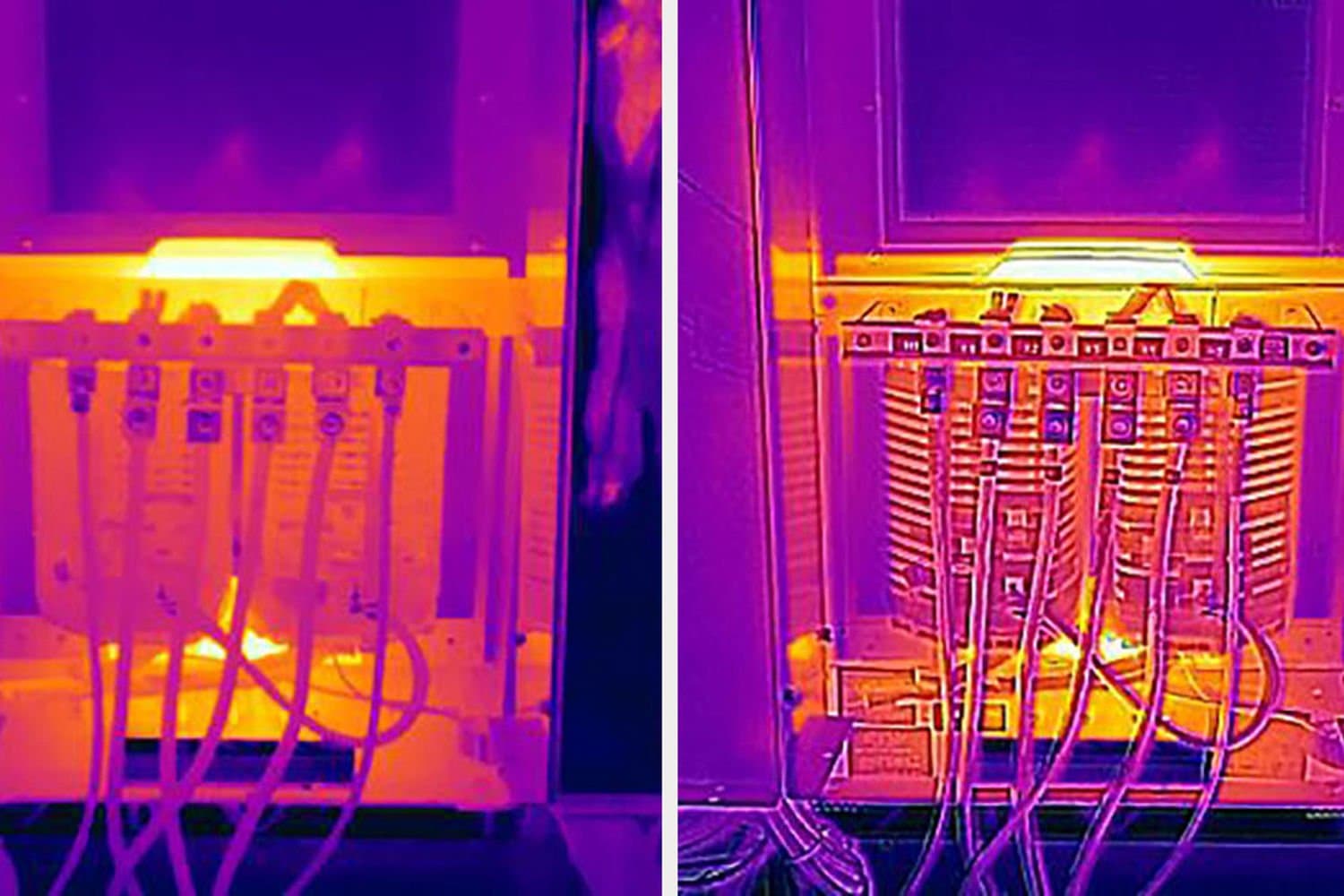
A thermal camera shows exactly where heat escapes: useful for checking cavity wall performance after installation.
FLIR ONE Gen 3 Thermal Camera (Smartphone)
£184.80See exactly where your home loses heat. Invaluable for prioritising insulation work before a heat pump install.
As an Amazon Associate we earn from qualifying purchases. Prices and stock are checked against Amazon every few hours and may have changed since.
