
The Short Answer
"Loft insulation" is really two different jobs with wildly different payoffs, so work out which one you're doing before you spend anything.
- Bare or nearly bare loft? Do it this month. The Energy Saving Trust puts the saving at £190 a year for a typical semi in Great Britain against £750 for a professional job. That's a four-year payback on something that lasts about 40 years.
- Already got 120mm and thinking about topping up to 270mm? The same source puts that at £17 a year for a semi (£20 in Northern Ireland). Do it for the comfort, do it while you're already up there, do it if a grant covers it, do it to get the house heat-pump ready. Don't do it expecting a quick payback, because there isn't one.
Either way, what you want is Knauf Loft Roll 44 in 170mm laid across the top of the joists, plus Loft Legs if you want to board part of it for storage. And insulate the loft hatch while you're up there. It's the cheapest job on this page and the one nearly everyone forgets.
Two Jobs, Two Very Different Sums
A home with no loft insulation loses around a quarter of its heat through the roof. That's the Energy Saving Trust's figure, and it's why a bare loft is still one of the best-value things you can fix in a British house. Hot air rises, hits the ceiling, and if there's nothing in the way it carries straight on through the loft and out through the tiles.
The sums change completely once there's already a decent layer up there. Most of the heat you're ever going to stop, you stop with the first 100mm or so. Everything after that is chasing a smaller and smaller remainder. Here's what the Energy Saving Trust publishes for Great Britain, using professional installation costs:
| Job | House | Install cost | Saving per year | Payback |
|---|---|---|---|---|
| Bare loft (0mm) to 270mm | Detached | £1,100 | £360 | 3 years |
| Bare loft (0mm) to 270mm | Semi-detached | £750 | £190 | 4 years |
| Bare loft (0mm) to 270mm | Mid-terrace | £650 | £140 | 4.5 years |
| Top up 120mm to 270mm | Detached | £800 | £35 | 23 years |
| Top up 120mm to 270mm | Semi-detached | £600 | £17 | 35 years |
| Top up 120mm to 270mm | Mid-terrace | £500 | £13 | 38 years |
Energy Saving Trust figures for England, Scotland and Wales, gas-heated homes. Payback is our arithmetic: install cost divided by annual saving. Northern Ireland savings are higher (£20 a year for the 120mm top-up) because heating oil costs more.
Read the bottom half of that table again, because it's the bit nobody says out loud. A professionally installed top-up on a semi costs £600 and saves £17 a year. Loft insulation lasts about 40 years, so on those numbers it very nearly fails to pay for itself inside its own lifetime. Anyone quoting you a two-year payback on a top-up is either confusing it with a bare loft or making it up.
So Is Topping Up a Waste of Time?
No. It's just not an investment. It's these four things instead:
- Comfort. Upstairs rooms hold temperature better overnight and stop feeling cold under the ceiling. £17 a year understates how much nicer a properly insulated bedroom is in February.
- Heat pump readiness. A heat pump is sized to your heat loss, so a lower heat loss means a smaller, cheaper unit running at a lower flow temperature. Getting to 270mm before you get quotes can change the specification, and the Energy Saving Trust makes the same point. See our insulate-first guide for the right order to do things in.
- DIY takes the sting out, but less than you'd think. Materials for the cross-layer come to £325–£385 at the Amazon prices we link to (see the shopping list), against £600 for a fitted job. Better, but still roughly a 20-year payback on £17 a year. Builders' merchants usually undercut Amazon on bulky insulation, so ring round.
- It's close to free if someone else is paying. If a grant or supplier scheme covers loft insulation at your property, take it without thinking about payback at all. Our home insulation costs guide covers what's available.
The honest one-liner: if you've got a bare loft, this is the best money you'll spend on your house all year. If you've got 120mm, it's a Saturday job that makes the house nicer, not a financial decision.
How Much Do You Need?
Building Regulations say 270mm of mineral wool. Most UK homes built before 2000 have less, often 100mm or even 50mm if it was done decades ago and never topped up.
The standard approach:
- First layer (100mm): between the joists, filling the gaps
- Second layer (170mm): laid across the top of the joists at right angles, covering them completely
If you already have 100mm between the joists, you just need the 170mm cross-layer on top. If you're starting from scratch you need both, which roughly doubles the number of rolls.
What to Buy
The Insulation: Knauf Loft Roll 44, 170mm
This is the standard choice for the cross-layer, and it's standard for a reason. It's a glass mineral wool roll at exactly 170mm, designed for this job. Each roll covers about 5.93m². For a typical three-bed semi (30–40m² of loft), you'll need 6–7 rolls.
It's non-combustible, moisture-resistant, and doesn't degrade over time. Cut it with a long-bladed knife, unroll it in position, and it springs to full thickness. Not glamorous, but it works perfectly and it'll outlast the house.
For Topping Up Thin Layers: Knauf Loft Roll 100mm
If your existing insulation between the joists is thin (50–80mm), the Knauf 100mm roll is useful for bringing it up to joist height before laying the 170mm cross-layer on top. Same brand and quality as the 170mm roll, just a thinner option for the between-joist layer. Not essential if your between-joist insulation is already at 100mm, but worth it if it's patchy or thin.
If You Want Loft Storage: Loft Legs
This is important: don't board directly onto the joists. If you do, you'll compress the insulation underneath, and compressed insulation loses a big chunk of its thermal performance. You might as well not have bothered.
Loft Legs are raised stilts that sit on the joists and hold boarding above the full 270mm of insulation. A 12-pack covers about 1.7m² of boarded area. For a decent storage space (4–6m²), you'll need 3–4 packs plus some boarding. It's a bit more work, but it means you get storage without wrecking your insulation.
Don't Skip This: Loft Hatch Insulation Cover
Your loft hatch is usually the weakest thermal point in the whole ceiling: a thin sheet of plywood with a gap around it, sitting in the middle of 270mm of insulation. A foldable insulation cover sits over the hatch opening, costs £20–£25 and takes five minutes. The specific one we link to goes in and out of stock (it was out on 18 September 2026), and it genuinely doesn't matter which you buy: they're all a foil-faced quilted box.
Nobody publishes a saving figure for a single hatch and we're not going to invent one. What we will say is that it's the cheapest item on this page, it takes less time than making a cup of tea, and it's the one job people put off for years. Do it first while you're still enthusiastic. While you're up there, a strip of draught-proofing around the hatch frame finishes the job properly, and our draught-proofing guide covers the rest of the house.
Shopping List
For a typical three-bedroom semi that already has 100mm between the joists, topping up to 270mm:
| Item | Quantity | Approximate Cost |
|---|---|---|
| Knauf Loft Roll 170mm | 6–7 rolls (5.93m² each) | £300–£350 |
| Loft Hatch Insulation Cover | 1 | £20–£25 when in stock |
| Dust mask (FFP2) and gloves | 1 set | £5–£10 |
| Total (cross-layer only) | £325–£385 | |
| Loft Legs, if you're boarding | 3–4 packs | £72–£96 |
| Total with Loft Legs (boards extra) | £397–£481 |
Amazon prices checked 18 September 2026: the 170mm roll was £49.99 including VAT and the Loft Leg 12-pack £23.99. The hatch cover we link to was out of stock on the day we checked, so the card above will show you an alternative; any foil-faced hatch cover does the same job. Bulky insulation is one of the few categories where a builders' merchant or a DIY shed will often undercut Amazon, sometimes substantially, so get a trade price before you click buy.
Now do the sum that matters, because it's not the one you'd expect. The Energy Saving Trust prices a fitted 120mm to 270mm top-up on a semi at £600, labour included. Buying the materials yourself at Amazon prices is £325–£385. You save a couple of hundred pounds and spend a Saturday in a loft wearing a mask, and either way the saving is £17 a year. DIY is the right call here mainly because it's quick and you're probably up there anyway, not because of the money.
Starting from a bare loft, you need both layers, so double the rolls: call it £600–£750 of materials, which is roughly what EST says a professional charges for the whole job on a semi. At that point get quotes. Whoever does it, the payback is about four years and the insulation lasts about 40.
DIY Tips (From Mistakes People Actually Make)
- Wear a proper dust mask, gloves, and long sleeves. Mineral wool fibres are itchy and irritating. An FFP2 mask is ideal. You'll thank yourself.
- Never step between joists. The plasterboard ceiling below will not hold your weight. Lay boards across the joists to work from, and move them as you go.
- Don't block the eaves. There should be a gap at the edges of the roof where the eaves meet the loft. This is deliberate ventilation that prevents condensation. You can buy eaves ventilator trays that hold insulation back from the edges.
- Don't insulate under your cold water tank. The tank needs some warmth from below to avoid freezing in winter. Insulate over and around it, but leave the bottom open to the heated space below.
- Move electrical cables on top of the insulation. Cables buried under insulation can overheat. Clip them to joist tops or lay them on the insulation surface.
- Sort out damp first. The Energy Saving Trust is firm on this, and so is every insulation installer worth hiring. If the loft has a damp or condensation problem, fix it before you cover anything up.
For costs and savings of all insulation types, see our home insulation costs guide. While you're in the loft, don't forget to insulate any exposed pipes; it takes 20 minutes and saves around £6 a year according to the Energy Saving Trust, so do it for the frost protection rather than the bill. If you're insulating before getting a heat pump, our insulate-first guide explains the right order.
Everything You Need
These are the products you need for a complete DIY loft insulation project.
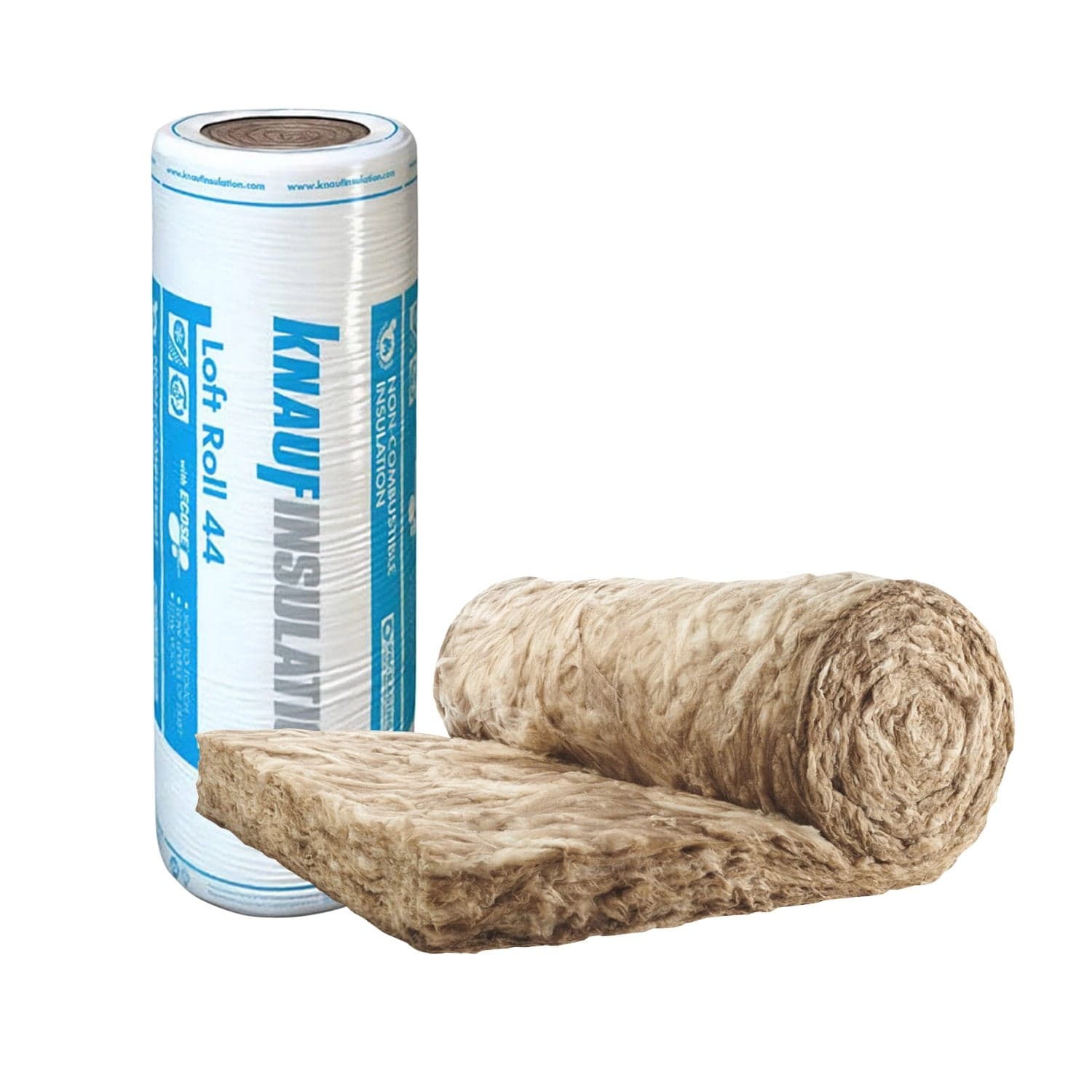
Knauf Loft Roll 44: 170mm
£49.99Top up existing loft insulation to reach the recommended 270mm. One of the most cost-effective energy upgrades.
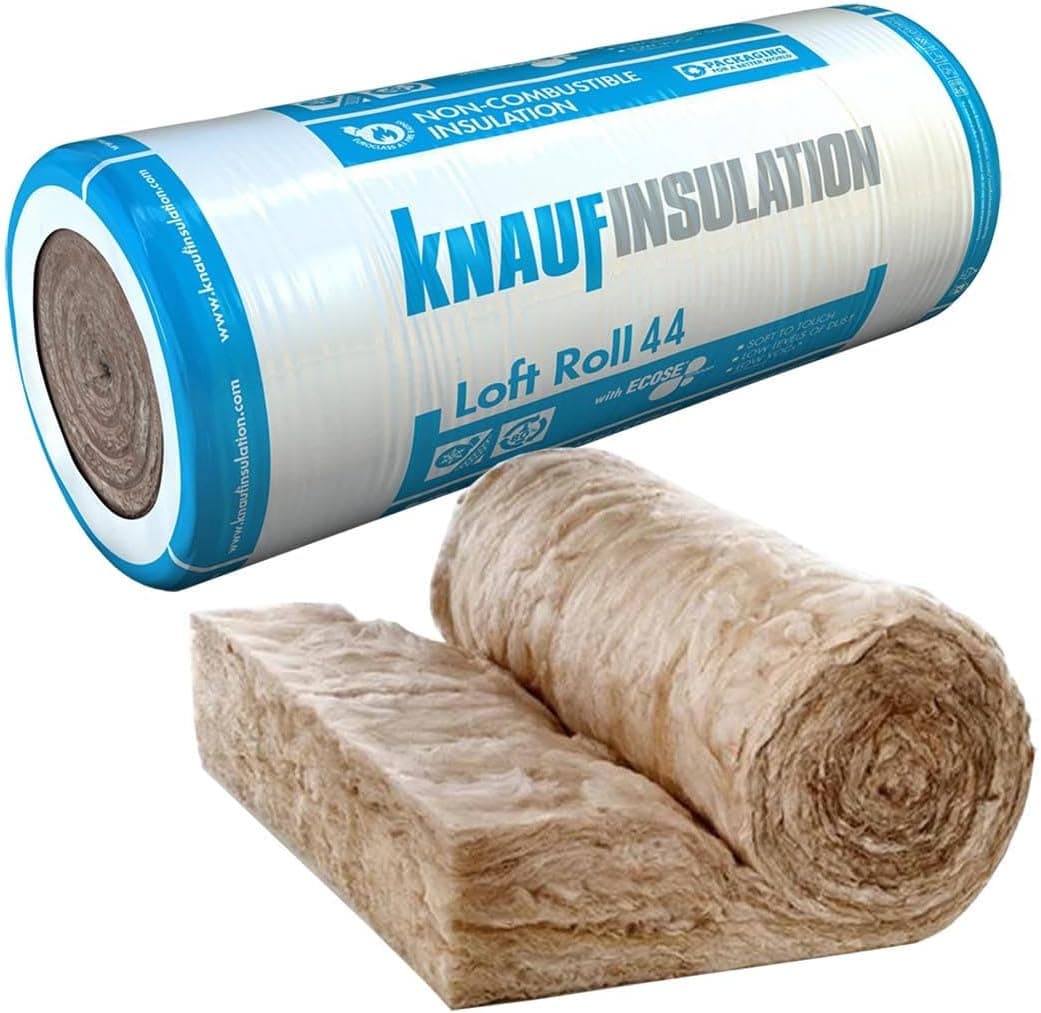
Knauf Loft Insulation Roll: 100mm
£52.99Ideal for topping up thin existing insulation. Lay between joists before adding a 170mm cross-layer on top.
Loft Leg Insulation Spacers (12-Pack)
£23.99Board your loft for storage without squashing insulation. Compressed insulation loses effectiveness.
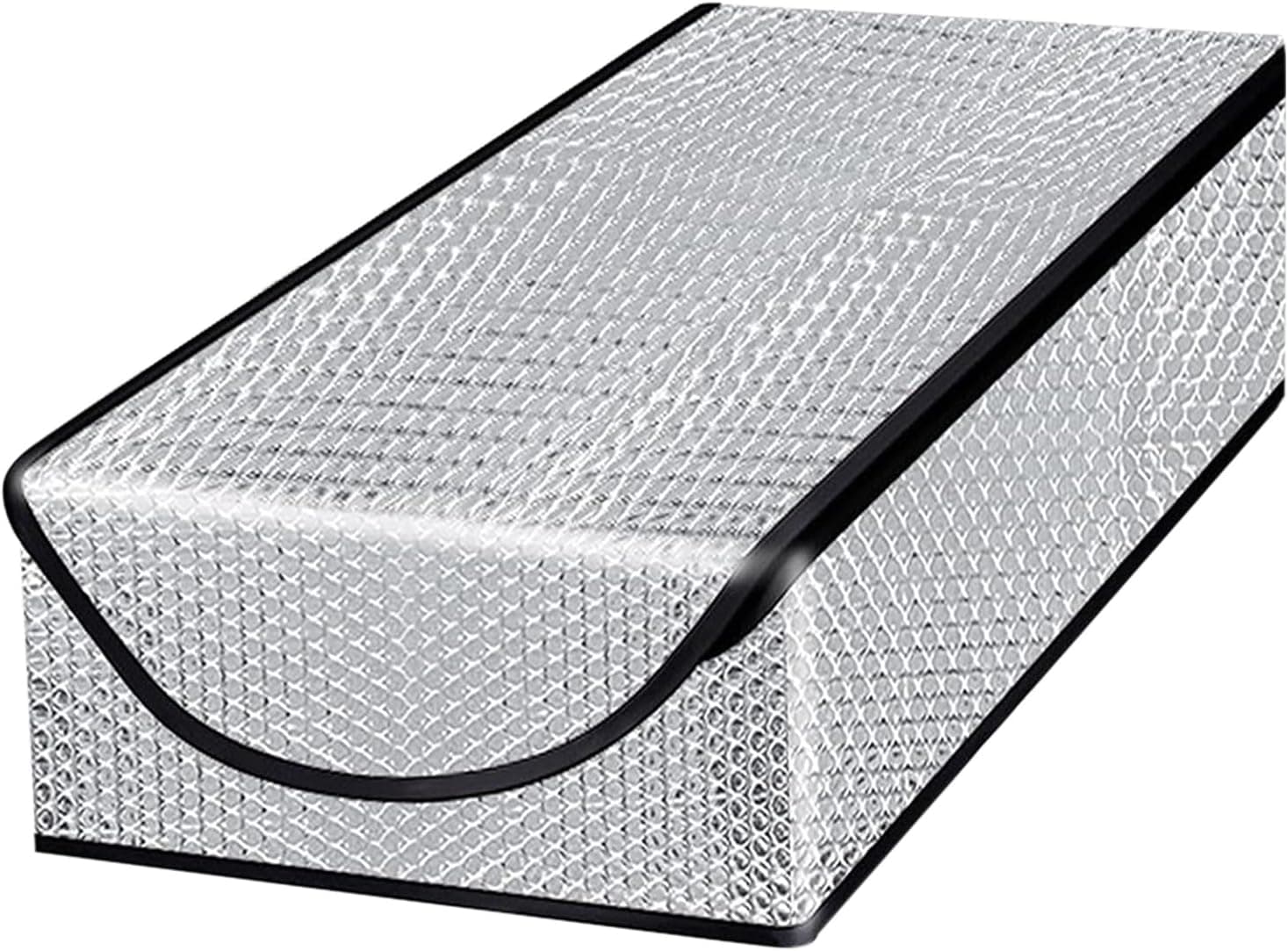
Loft Hatch Insulation Cover
~£25An uninsulated loft hatch is a significant heat loss point. This is a 5-minute fix.
As an Amazon Associate we earn from qualifying purchases. Prices and stock are checked against Amazon every few hours and may have changed since.
