Should I Insulate Before Getting a Heat Pump?
Why insulation should come before a heat pump, and what to prioritise.
Should I Insulate Before Getting a Heat Pump?
This is one of the most important questions in any home energy upgrade, and the answer matters more than most guides acknowledge. Getting the order wrong can mean paying too much for a heat pump, running it inefficiently for years, or ending up with a system that struggles to keep your home warm. Getting it right can save thousands of pounds.
The short answer: yes, insulate first — but you do not need to achieve a perfect EPC rating before committing to a heat pump. This guide explains the logic, the priority order, and the practical thresholds that matter.
Why the Order Matters: Heat Loss and Heat Pump Sizing
A heat pump is not like a gas boiler. A gas boiler produces intense heat in short bursts. A heat pump produces moderate heat over a longer period, running at lower flow temperatures (typically 35–55°C rather than the 60–80°C of a gas boiler). This is more efficient, but it means the system needs to be correctly sized for your home's heat demand.
The technical starting point is a heat loss calculation — an assessment of how much heat your home loses per hour when it is very cold outside, usually calculated at an outside temperature of -3°C. That figure, in kilowatts, determines the size of heat pump you need.
Here is the critical point: every improvement you make to your insulation reduces your home's heat loss, which means a smaller, cheaper heat pump is needed. If you insulate first:
- The heat pump installation is sized correctly for the improved home, not the poorly insulated one
- A smaller heat pump has lower upfront cost
- A correctly sized heat pump runs more efficiently
- Lower heat demand means lower electricity bills
- The system does not need to work as hard, which extends its lifespan
If you do not insulate first, your installer will need to size the heat pump for a leakier building. You may end up paying for a 14kW system when, post-insulation, an 8kW system would have been sufficient — a cost difference of £2,000–£4,000 on the equipment alone, plus higher running costs every year.
The fabric first principle: This is the phrase used by heat pump engineers and energy assessors. Address the building's fabric (insulation, draught proofing, windows) before sizing and installing the heating system. It is not about perfection — it is about avoiding oversizing.
How Much Insulation Is Enough Before a Heat Pump?
You do not need to wait until your home is perfectly insulated. The goal is to reach a point where your heat loss is low enough for the heat pump to be sized sensibly and run efficiently. In practice, this usually means:
- Loft insulation at 270mm (or as close as achievable)
- Cavity walls insulated (if applicable)
- Draught proofing completed on windows, doors, and major gaps
These three measures, combined, can reduce heat loss by 30–50% in a typical 1960s–1980s semi-detached home. That is enough to meaningfully reduce the size of heat pump required. For product recommendations, see our guides to the best loft insulation and the best draught proofing products.
Solid wall insulation, floor insulation, and double glazing are valuable but not prerequisites. A heat pump can work well in a solid-walled home if it is sized correctly for that building's heat loss. The question is simply whether you have addressed the cheapest, highest-impact measures first.
The Priority Order: What to Do First
| Step | Measure | Cost | Heat Loss Reduction | Priority |
|---|---|---|---|---|
| 1 | Loft insulation (to 270mm) | £300 – £1,000 | Up to 25% | Essential first step |
| 2 | Cavity wall insulation | £450 – £1,500 | Up to 35% | Essential if applicable |
| 3 | Draught proofing | £100 – £300 | 5 – 15% | High priority, low cost |
| 4 | Double glazing (if not present) | £3,000 – £10,000 | 10 – 15% | Beneficial but not a prerequisite |
| 5 | Floor insulation | £500 – £1,200 | 5 – 10% | Useful if suspended timber floors |
| 6 | Solid wall insulation | £4,000 – £22,000 | Up to 45% | High impact but expensive — plan carefully |
Steps 1–3 should be completed before the heat pump is installed wherever possible. Steps 4–6 are beneficial but can be planned around the heat pump installation — an experienced MCS-certified installer can account for planned future improvements when sizing the system.
EPC Requirements for the Boiler Upgrade Scheme
If you plan to apply for the Boiler Upgrade Scheme (BUS) grant — currently £7,500 for an air source heat pump — there are EPC-related requirements worth understanding.
To receive BUS funding, your property must have a valid EPC. Critically, the EPC must not contain any outstanding recommendations for loft insulation or cavity wall insulation. In other words, if your EPC recommends these measures and they have not been done, you are not eligible for the grant.
This has a practical implication: completing your loft and cavity wall insulation is not just good energy practice before a heat pump — it is a condition of the most significant grant available to fund the heat pump itself.
To check or update your EPC, use the government's EPC register. A new EPC assessment costs approximately £60–£120 from an accredited domestic energy assessor. If you complete insulation work, get a new EPC before applying for BUS.
How Much Does Skipping Insulation Cost You?
Let us put concrete figures on the decision. Consider a 1960s semi-detached house with no loft insulation and unfilled cavity walls.
Scenario A: Heat Pump First, No Insulation
- Heat loss calculation: approximately 12kW at design temperature
- Heat pump required: 12–14kW system
- Installed cost: approximately £14,000–£18,000 (before BUS grant)
- BUS grant: not applicable (outstanding EPC recommendations)
- Net cost: £14,000–£18,000
- Annual running cost: higher (oversized system, less efficient)
Scenario B: Insulate First, Then Heat Pump
- Loft insulation cost: £500 (professional)
- Cavity wall insulation cost: £800
- Draught proofing: £200
- Total insulation spend: £1,500
- New heat loss calculation: approximately 7kW
- Heat pump required: 7–8kW system
- Installed cost: approximately £10,000–£13,000 (before BUS grant)
- BUS grant: £7,500 applicable (EPC recommendations cleared)
- Net cost after grant: £2,500–£5,500
- Annual running cost: lower (correctly sized, more efficient)
The difference in total outlay between these two scenarios is significant: potentially £10,000 or more, after factoring in the BUS grant eligibility and the smaller, cheaper heat pump. The insulation investment of £1,500 generates a return that far exceeds its direct energy savings.
Radiators and Underfloor Heating
Heat pumps work at lower flow temperatures than gas boilers. To deliver the same amount of heat, they either need to run at a slightly higher temperature (less efficient) or transfer heat through larger surface areas — bigger radiators, or underfloor heating.
Better insulation means lower heat demand, which means you may be able to use your existing radiators without replacement, or need fewer upgrades. Every degree of reduction in required flow temperature increases the heat pump's Coefficient of Performance (COP) — its measure of efficiency — typically by around 2–3%. Over years of operation, this adds up.
What If You Have Solid Walls and Cannot Afford Solid Wall Insulation?
Solid wall insulation is expensive — potentially £4,000–£22,000 — and is not always grant-funded. If your home has solid walls, you are not stuck waiting until you can afford it.
An MCS-certified heat pump installer can size a system for a solid-walled home, accounting for its higher heat loss. You may need a larger heat pump and should expect slightly higher running costs compared to a better-insulated property. But a well-designed heat pump system can work effectively in a solid-walled Victorian home — particularly if loft insulation and draught proofing are in good condition.
In this situation, the practical advice is:
- Complete loft insulation and draught proofing before installation
- Tell your installer you have solid walls and may add insulation in future
- Ask the installer to model both current and post-insulation heat loss in their design
- Plan solid wall insulation for when grant funding becomes available or when other renovation works make it cost-effective
The Integrated Approach: Planning the Full Journey
The most cost-effective approach to home energy upgrades is to plan them as an integrated sequence rather than a series of isolated decisions. A rough planning sequence:
- Get an EPC and understand your current heat loss
- Complete free or cheap measures first — loft insulation (especially if grant-funded), draught proofing
- Add cavity wall insulation if applicable and not already done
- Get a new EPC to confirm the recommendations are cleared
- Commission a heat loss survey from an MCS installer — this is the technical basis for the heat pump design
- Apply for BUS grant and get the heat pump installed
- Plan remaining measures (solid wall insulation, solar panels) as future upgrades that work alongside the heat pump
For detailed costs and grant information on each insulation measure, see our home insulation costs guide, our cavity wall insulation guide, and our loft insulation guide.
Summary
Insulating before getting a heat pump is not a bureaucratic requirement — it is straightforward financial logic. Better insulation means a smaller, cheaper heat pump, lower running costs, BUS grant eligibility, and a more comfortable home. The measures that matter most — loft insulation, cavity wall insulation, and draught proofing — are also the cheapest and fastest-payback improvements available to most UK homeowners. Do those first, and the heat pump decision becomes both simpler and significantly less expensive.
DIY Insulation and Draught Proofing Products
These are the products you can fit yourself to prepare your home for a heat pump — starting with the cheapest wins.
Stormguard Door Draught Seal Kit
£10–£18Draughty doors are one of the cheapest heat losses to fix. This kit seals one door completely.

Chimney Sheep Chimney Draught Excluder
£20–£35An open chimney loses as much heat as leaving a window open. This is one of the best draught-proofing investments.
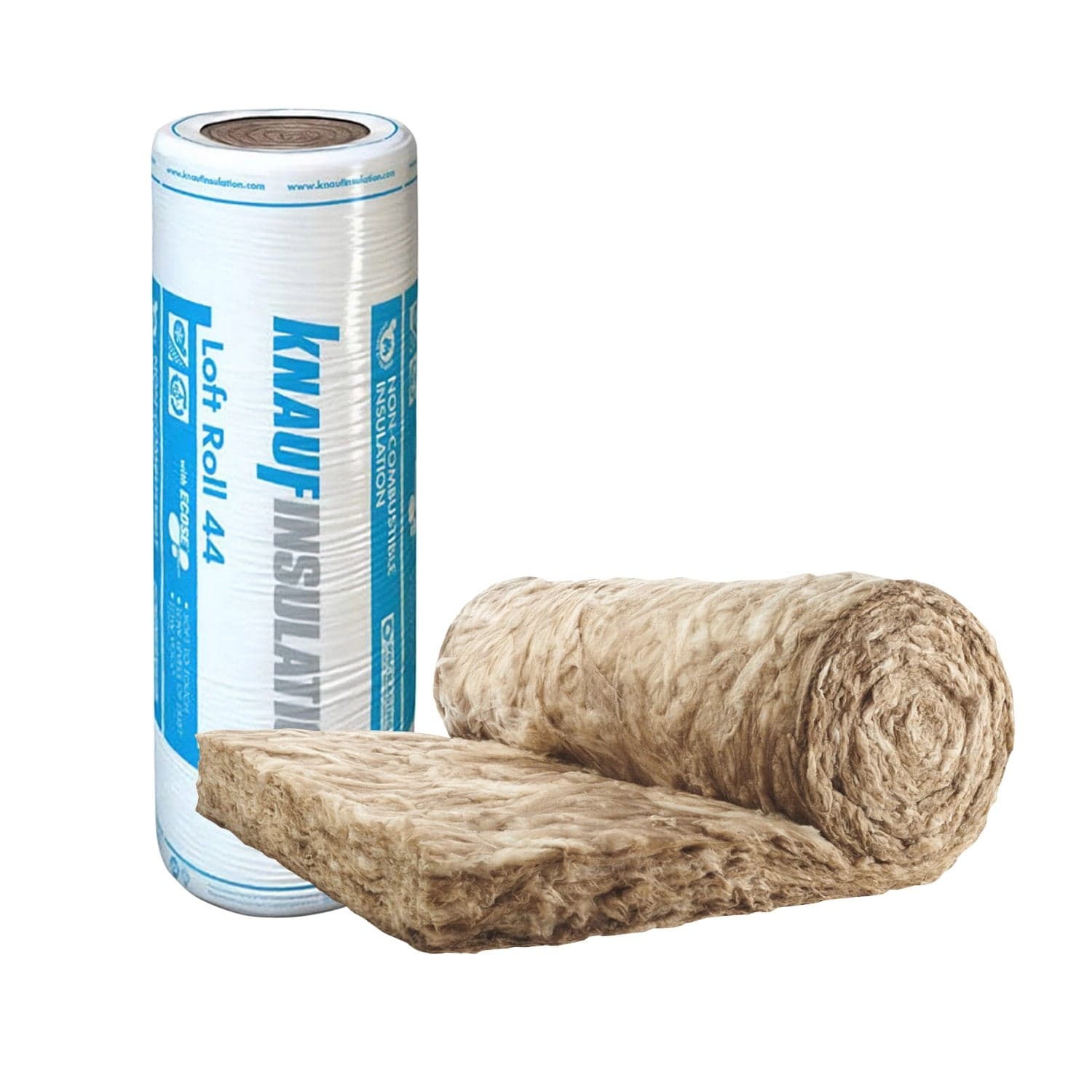
Knauf Loft Roll 44 — 170mm
£20–£30 per rollTop up existing loft insulation to reach the recommended 270mm. One of the most cost-effective energy upgrades.
Loft Hatch Insulation Kit
£15–£25An uninsulated loft hatch is a significant heat loss point — this is a 10-minute fix.
Climaflex Pipe Insulation 22mm x 2m (10-Pack)
£12–£20 (10-pack)Uninsulated pipes in lofts and garages waste heat. Pipe lagging is cheap and takes minutes to fit.
As an Amazon Associate we earn from qualifying purchases. Product prices and availability are accurate as of the date of publication and may change.