
The Short Answer
For about £100 and an afternoon's work, you can draught-proof an entire house. Here's where to spend it, in order:
- Chimney Sheep: the biggest single win if you have unused fireplaces, saving around £45 a year in Great Britain, or £60 in Northern Ireland, according to the Energy Saving Trust.
- Stormguard door seal kits: for your external doors.
- Exitex letterbox excluder: for the slot that opens straight outside.
- Expanding foam: for the gaps you can't see.
Total spend: about £105–£110 at the prices we saw on 18 September 2026. The Energy Saving Trust puts draught-proofing windows, floors and doors at £55 a year in Great Britain (£80 in Northern Ireland) and a chimney at another £45 (£60 in NI). Do both and you're looking at roughly £100 a year, so the whole lot pays for itself in about thirteen months. And it keeps paying every winter after that.
That's a genuinely excellent return for a Saturday's work, and unlike most energy upgrades you can start it this morning.
Prices checked on Amazon on 18 September 2026: Stormguard door seal £26.39, Exitex letterbox excluder £13.98, Chimney Sheep £33.00. The expanding foam was out of stock, so we've used its usual £6–£10. Check the live price on each link before you budget.
Where Your Heat Is Actually Going
Draughts don't seem like a big deal: a bit of cold air under the front door, a breeze from the letterbox. But they add up, and unlike most energy upgrades this one is entirely within your control on a Saturday morning. The Energy Saving Trust puts the saving from draught-proofing around windows, floors and doors at £55 a year in Great Britain and £80 in Northern Ireland. If you also have an open, unused chimney, blocking that adds around £45 a year in GB and £60 in NI.
There's a second saving that's easy to miss. A draught-free house feels comfortable at a lower thermostat setting, and the Energy Saving Trust reckons turning down from 22°C to 21°C saves £120 a year in GB (£80 in NI). Draught-proofing is often what makes that turn-down bearable, and it's a bigger number than the draught-proofing itself.
The main culprits in most UK homes:
- External doors: gaps around the frame and under the door
- Letterboxes: a slot that opens directly to the outside
- Chimneys: even unused fireplaces act as a chimney for your warm air
- Gaps around pipes and cables: where services enter the building
- Loft hatches: covered in our loft insulation guide
A quick reality check before you get carried away: the Energy Saving Trust's own line is that fully insulating your home is a more effective way of keeping it warm than draught-proofing. Draught-proofing wins on cost, speed and the fact you can do it yourself today. If your loft is bare, that's the bigger job and the bigger saving.
What to Buy
Chimney Sheep: The Single Best Buy on This Page
If you have an unused fireplace, this should be your first purchase. An open chimney is basically a hole in your house that sucks warm air upward and out. The Chimney Sheep is a thick felted wool plug that sits inside the chimney just above the fireplace, cutting the updraught right down while still letting the flue breathe a little.
Unlike chimney balloons (which pop, deflate, and generally annoy), the Chimney Sheep is durable, conforms to odd-shaped flues, and has a handle so you can pull it out if you ever want to light a fire. It comes in various sizes, so measure your flue before ordering. Never leave it in place with a fire lit.
Savings: the Energy Saving Trust puts chimney draught-proofing at £45 a year in Great Britain and £60 in Northern Ireland. The Chimney Sheep we link to was £33 on 18 September 2026, so that's a payback of about nine months and then it's pure gain. The alternative is a terracotta chimney pot cap, which EST prices from around £150 and which you can't remove from inside the house.
Stormguard Double Door Seal: For Every External Door
This is a complete kit for one door: rubber compression seals (self-adhesive) for the top and sides of the frame, plus a brush strip that screws along the bottom. When the door closes, the seals compress and create an airtight barrier. Installation takes about 15 minutes: clean the frame, peel the backing, press into place. The brush strip needs a drill and a couple of screws.
Two kits (front and back door) came to £53 on 18 September 2026. You'll notice the difference in your hallway immediately, especially if your front door currently has visible daylight around the edges. For a deeper dive on door-specific solutions including under-door brushes and no-drill options for renters, see our dedicated door draught excluder guide.
Exitex Letterbox Excluder: Why Doesn't Everyone Have One?
Your letterbox is a hole in your front door. Even with a flap, cold air pours through continuously. The Exitex is an internal brush cover that fits over the letterbox on the inside. Two rows of nylon bristles block airflow while still letting post come through. Four screws, 10 minutes, done.
At about £14 it's one of the cheapest items on this page. The difference in hallway temperature is noticeable within hours. Honestly, every home with a letterbox should have one. There's no reason not to.
Expanding Foam: For Everything Else
Walk around your house and look where pipes and cables come through external walls. Behind the washing machine, under the kitchen sink, around the boiler flue, where the broadband cable enters. Almost every one of these has a gap around it. Individually they're nothing, but collectively they add up to a surprising amount of heat loss.
A single 750ml can of Everbuild expanding foam seals 15–20 gaps. The can we link to was out of stock on 18 September 2026, and this is the one item on the page where the brand genuinely doesn't matter: any 750ml gap-filling foam from a DIY shed does the same job for the same money. Squirt it in, it expands to fill the space, sets firm in an hour, and you can trim and paint over it. Also works for gaps around window frames, between skirting boards and floors, and anywhere else you can feel a draught.
The Full Picture
The Energy Saving Trust publishes one combined figure for windows, floors and doors rather than a number per product, so that's how we've set it out. Splitting £55 across four items would be inventing precision that doesn't exist.
| Product | Cost | Time to Fit | Annual Saving (GB) |
|---|---|---|---|
| Door seal kit (x2) | ~£53 | 30 min | Part of EST's £55 |
| Letterbox excluder | ~£14 | 10 min | Part of EST's £55 |
| Expanding foam | £6–£10 | 30 min | Part of EST's £55 |
| Chimney Sheep | ~£33 | 5 min | £45 (£60 in NI) |
| Total | £106–£110 | ~75 min | ~£100 |
£106–£110 spent against about £100 a year back is a payback of roughly thirteen months. For comparison, the Energy Saving Trust prices professional draught-proofing of windows and doors at around £250 for a whole house, which still pays back in under five years if the DIY version isn't for you.
No chimney? Drop the Chimney Sheep and you're spending about £73–£77 to save around £55 a year, which is a payback of roughly sixteen to seventeen months.
What NOT to Seal
Draught-proofing is about stopping unwanted air leaks, not blocking all ventilation. Some air movement is essential:
- Don't block trickle vents in windows. They're there to prevent condensation and mould. Seal draughts around the frame, but leave the trickle vents alone.
- Don't seal rooms with gas appliances. Gas boilers, fires, and cookers need ventilation air to burn safely. If in doubt, ask a Gas Safe engineer.
- Don't block air bricks. These ventilate suspended timber floors and prevent rot. If they cause draughts in the room above, the fix is floor insulation, not blocking the bricks.
- Don't draught-proof internal doors. The gap under them is how air moves around the house. The Energy Saving Trust is explicit about this one.
- Don't fully block a chimney you still use, and take the excluder out before you light a fire.
If your home has no trickle vents, no wall vents and no mechanical ventilation, it may already be about as airtight as it should be, and adding more draught-proofing risks damp and poor air quality rather than saving money.
For the full insulation picture, see our home insulation costs guide. If you're preparing for a heat pump, our insulate-first guide explains why draught-proofing should be step one.
Our Top Draught Proofing Picks
These four products cover the main draught sources in a typical UK home, for about £100 total.
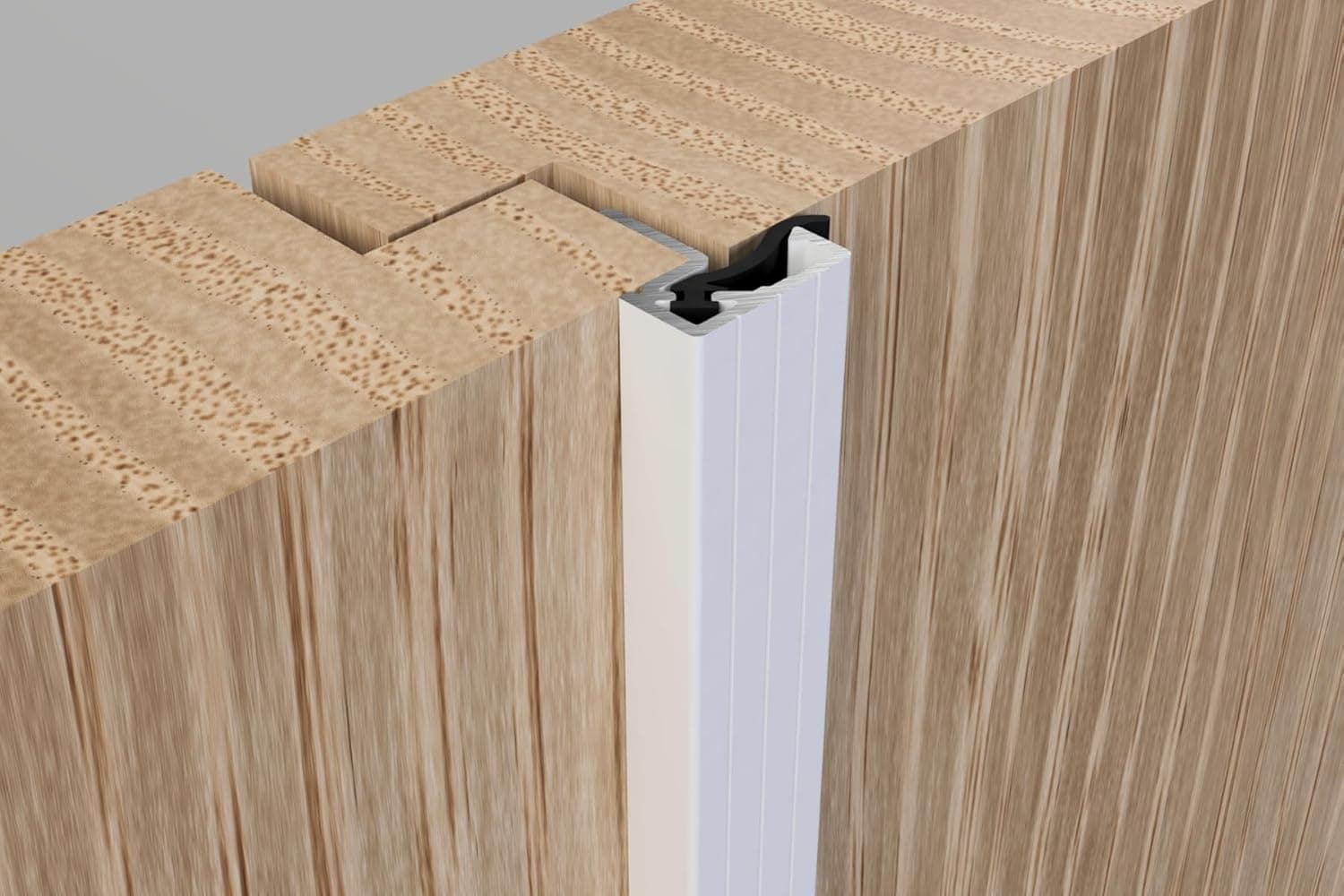
Stormguard Double Door Seal
£26.39Draughty doors are one of the cheapest heat losses to fix. This seal fits most UK door frames.
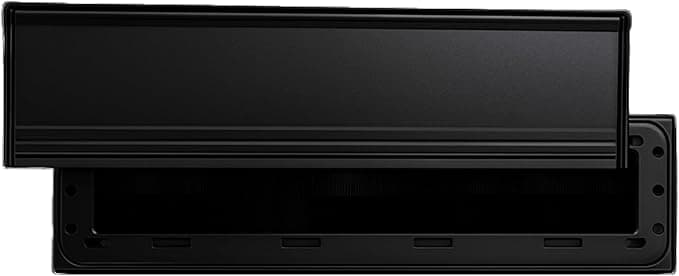
Exitex Letterbox Draught Excluder
£13.98Letterboxes are a surprisingly large source of draughts. This is a quick, cheap improvement.

Chimney Sheep Chimney Draught Excluder
£33.00An open chimney loses as much heat as leaving a window open. This is one of the best draught-proofing investments.
Everbuild Expanding Foam 750ml
£6–£10Seal gaps around pipes and cables entering the house. Every small gap adds up to significant heat loss.
As an Amazon Associate we earn from qualifying purchases. Prices and stock are checked against Amazon every few hours and may have changed since.
