
The Short Answer
Window insulation film works, in the sense that it creates an air gap and you can feel the difference standing next to a cold single-glazed window. What it won't do is save you a fortune. The Energy Saving Trust puts full A-rated double glazing across an entirely single-glazed semi at £85 a year, and it rates secondary glazing film as offering "the least thermal benefits of the options available". Film is a fraction of £85, not a multiple of it.
Buy it anyway if you've got draughty single glazing you can't replace. A £12–£20 kit does six windows, takes an afternoon, and makes cold rooms noticeably more pleasant this winter. Just don't expect it to be an investment.
How It Works
The film is a clear plastic sheet that you attach to the window frame with double-sided tape, then shrink tight with a hairdryer. Once applied, it creates a sealed air gap between the film and the glass. It's that trapped air that does the insulating, not the film itself. Air is a poor conductor of heat, so the gap acts as a thermal buffer, slowing heat loss from the warm room to the cold glass.
It's the same principle as double glazing, just with a plastic film instead of a second pane of glass and no argon fill, no low-emissivity coating and no proper seal. It won't last as long and it doesn't look as neat, but the physics are sound as far as they go.
What to Expect
The Good
- Noticeable warmth improvement: rooms with single-glazed windows feel warmer, especially near the windows where cold draughts used to come through
- Reduced condensation: the film surface stays warmer than the glass, so moisture from the room is less likely to condense on it
- Very cheap: a 6-window kit costs £12–£20, which is roughly £2–£3 per window
- Easy to apply: takes 10–15 minutes per window once you get the hang of it
The Limitations
- The weakest of the secondary glazing options: that's the Energy Saving Trust's own assessment. Magnetic secondary glazing and permanent secondary glazing both do more, and cost more.
- Seasonal only: you'll want to remove it in spring because you can't open the window with it in place (it covers the entire frame)
- It doesn't last: EST notes film "doesn't last long and can be hard to make aesthetically pleasing". Budget for replacing it each autumn.
- Not invisible: it's clear, but if you look closely you can see it. On a bright day, light catches the surface slightly differently to glass
- Nothing for noise: real double or secondary glazing cuts external noise. Film does essentially nothing.
- Can lift at the edges: if the tape doesn't stick well to your frame (painted wood can be tricky), the seal breaks and it stops working
Where It Makes Sense
- Single-glazed windows you can't replace yet: listed buildings, rented properties, or when you're saving up for proper double glazing
- Rarely used rooms: spare bedrooms, utility rooms, or rooms where the windows are old and draughty but you don't want to spend thousands replacing them
- Period properties: where original sash windows are worth preserving and secondary glazing units look wrong
Where It Doesn't
- Already double-glazed windows: if you already have double glazing, adding film on top makes negligible difference. Your money is better spent on draught-proofing around the frames.
- Windows you open frequently: the film covers the entire frame, so the window is sealed shut until you remove it
How to Apply It
- Clean the frame: wipe down the window frame with a damp cloth and let it dry completely. The tape won't stick to dusty or damp surfaces.
- Apply the double-sided tape: run it around the entire window frame, as close to the glass as possible. Press firmly.
- Attach the film: peel the tape backing and press the film onto it, starting at the top and working down. Leave it slightly loose; you'll tighten it in the next step.
- Shrink with a hairdryer: run a hairdryer over the film on a medium heat setting. The film shrinks and pulls taut, removing wrinkles and creating a tight, clear surface. Take your time with this step; it's oddly satisfying.
- Trim any excess: use a sharp knife or scissors to trim film that extends beyond the tape.
The first window takes 15 minutes. After that, you'll do each one in about 10.
Realistic Savings
Nobody publishes a saving figure for window film, so here's the arithmetic rather than a number pulled out of the air.
The Energy Saving Trust's published figure is that replacing all the single glazing in a semi with A-rated double glazing saves £85 a year in Great Britain (£140 in Northern Ireland), for around £4,800 of windows. That £85 is the ceiling. Film cannot beat it, because film is a worse insulator than the thing that produces it, and EST explicitly rates film as the least effective of the secondary glazing options.
The usual trade rule of thumb is that shrink film recovers somewhere between a third and a half of what double glazing does. That isn't an EST figure and we can't source it to a primary document, so treat it as an estimate. Run it anyway and you get:
| Scenario | One-off cost | Estimated saving per year |
|---|---|---|
| A-rated double glazing, whole single-glazed semi (EST figure) | ~£4,800 | £85 |
| Film on every single-glazed window in that same semi | £12–£20 | Roughly £28–£43 |
| Film on two windows in one cold room | £12–£20 (one kit, plenty spare) | Roughly £5–£10 |
So: do the whole house and one kit pays for itself inside a winter. Do two windows in the spare room and it takes a couple of years on the bill alone, which rather misses the point. The point is that £15 and an afternoon makes a cold room usable, and that the alternative costs £4,800.
If the honest comparison matters to you, the Energy Saving Trust's numbers say draught-proofing the same house saves more (£55 a year for windows, floors and doors) for about the same money. Do both.
For more permanent solutions, see our insulation costs guide. If you're looking at other quick wins, our draught-proofing guide covers the cheapest ways to stop heat escaping.
What to Buy
A 6-window kit costs £12–£20 and takes an afternoon to apply.
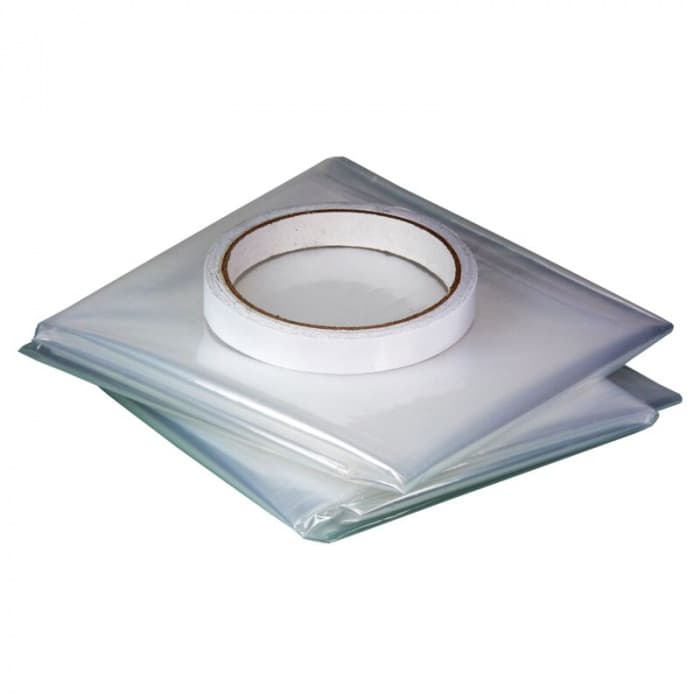
Window Insulation Film Kit (6 Windows)
£13.25Budget alternative to secondary glazing. Creates a sealed air gap that reduces heat loss through single-glazed windows.
As an Amazon Associate we earn from qualifying purchases. Prices and stock are checked against Amazon every few hours and may have changed since.
