
The Short Answer
A ground source heat pump is the most efficient way to heat a UK home, with a real-world SCOP of around 4.0 to 4.5 on a low-temperature system (underfloor heating or generously sized radiators, so a design flow temperature in the 35 to 45°C range). That's roughly four units of heat for every unit of electricity; push the flow temperature to 55°C and it drops like any other heat pump. It's also the most expensive to fit: typically £18,000 to £35,000 installed, because someone has to dig up your garden or drill a borehole. The same £7,500 Boiler Upgrade Scheme grant applies as for air source. Here's the honest bit most guides bury: for the large majority of homes, a cheaper air source heat pump is the smarter buy. Ground source earns its keep when you have the land, you're building from scratch, you want near silence, or your home is too heat-hungry for air source to cope.
What a Ground Source Heat Pump Actually Is
A few feet down, the ground in the UK sits at a steady 8 to 12°C all year, even when there's frost on the grass. A ground source heat pump taps that. It pumps a water and antifreeze mix (installers call it brine) through a long loop of pipe buried in your garden, the brine soaks up that low-grade warmth, and the heat pump concentrates it into useful heat for your radiators, underfloor heating and hot water.
It's the same refrigeration cycle your fridge uses, just running in reverse and at a much bigger scale. Nothing burns, there's no flue, and the only outdoor sign you have one is a manhole cover or two. The whole machine lives indoors, usually in a utility room or garage, about the size of a tall fridge-freezer.
The reason it beats air source on efficiency is simple: it's always pulling heat from 10°C-ish ground rather than from freezing winter air. The colder the air, the harder an air source pump works. Ground source doesn't have that problem, so it runs steadier and more efficiently exactly when you need heat most.
How it works
How a ground source heat pump pulls heat from your garden
Same heat pump indoors either way. The only real choice is how the loop gets into the ground.
The ground, all year round: 8–12°C
Horizontal ground loop
Coiled ‘slinky’ or straight pipe buried in trenches about 1.2m down. Needs a big garden, very roughly 2.5 times your floor area.
Brine (water + antifreeze) circulates through the loop and soaks up the ground’s low-grade heat
The heat pump, indoors
Evaporator
Brine warms the refrigerant until it boils to a gas
Compressor
Squeezes the gas, which makes it hot
Condenser
Passes that heat into your heating water
Hot water out at about 45–55°C (a gas boiler runs at 70–80°C)
Radiators or underfloor heating
Bigger rads or UFH suit the lower flow temperature
Hot water cylinder
Stores hot water for taps and showers
Because the ground stays warm even in a cold snap, a ground source pump runs at a steadier, higher efficiency than an air source one all winter. The trade-off is the digging.
Horizontal Trenches vs Vertical Boreholes
There are two ways to get the loop into the ground, and which one you can have usually comes down to how much garden you've got.
| Horizontal trenches | Vertical borehole | |
|---|---|---|
| How it's laid | Coiled "slinky" or straight pipe in trenches about 1.2m deep | Probes dropped down holes drilled 50 to 150m straight down |
| Space needed | A lot: very roughly 2.5× your floor area, often 600m²+ for a typical home | Very little: a few square metres for the rig |
| Typical cost | £15,000 to £28,000 installed | £22,000 to £40,000 installed |
| Disruption | Your garden gets dug up, then reinstated | Less mess, but a drilling rig needs access |
| Best for | Rural homes and large plots | Smaller plots, or where you can't lose the lawn |
Trenches are cheaper because a digger is cheaper than a drilling rig. Boreholes cost more but barely touch your garden and tend to perform a touch better because deeper ground is warmer and more stable. If you've got the space, trenches almost always win on price. If you haven't, a borehole is what makes ground source possible at all.
What It Costs, and Why Every Website Gives You a Different Number
If you've already been Googling this, you'll have seen prices ranging from "£3,500" to "£49,000". That's not because anyone's lying. It's because they're quoting different things. Here's how to read the numbers:
- The heat pump unit alone: £5,000 to £12,000. Some pages quote just this and call it "the cost", which is how you get those suspiciously low £3,500 to £6,000 figures. It's not the installed price.
- The ground collector: the big variable. Trenching or drilling is where ground source gets expensive, and it depends entirely on your soil, access and how deep the borehole has to go.
- Internal works: £3,000 to £6,000 for the hot water cylinder, pipework, controls and commissioning, plus any radiator upgrades.
Add it up and a typical fully installed ground source system lands at £18,000 to £35,000, with deep boreholes on big homes pushing past £40,000. Knock off the £7,500 grant and most people pay somewhere between £10,500 and £27,500, or more if you're in borehole-on-a-big-house territory. We've seen an "average ground source install of £24,000" quoted widely, but we couldn't trace it to a published government figure, so treat the range above as the honest answer and your three quotes as the real one. There's also 0% VAT on the whole job, including the groundworks, until 31 March 2027 (it goes back to 5% after that), which is already baked into those prices.
Use the calculator to get a figure for your own home, and to answer the question that actually matters: whether the ground loop is worth paying for versus a cheaper air source pump.
Ground Source Cost & Payback Calculator
A realistic estimate for your home, and the honest question nobody else answers: is the ground loop worth paying for over a cheaper air source heat pump?
Sets your rough annual heat demand
Boreholes cost more but need far less space
Used to work out your running-cost saving
Ofgem cap 26.32p; a heat pump tariff blends to around 20p
Install after £7,500 grant
£12,500
≈ £20,000 before grant
Running cost a year
£689
at SCOP 4.2
Saving vs your fuel
£285/yr
The real question: ground source vs a cheaper air source pump
Extra to install vs air source
£9,000
It saves vs air source
£138/yr
So the extra pays back in
Longer than the system will last
For most homes, air source is the better-value call.Ground source runs a little cheaper, but not by enough to recover its much higher install cost before the kit wears out. Pick ground source for the silence, the space, or a property air source can't handle, not to save money.
Estimates only. Install prices are typical 2026 figures and vary a lot with ground conditions and access; the £7,500 Boiler Upgrade Scheme grant applies to ground and air source alike. Running costs assume SCOP 4.2 (ground) and 3.5 (air) at your chosen electricity rate. Always get MCS-certified quotes for real numbers.
Running Costs and Efficiency
This is where ground source shines. A well-designed system runs at a SCOP of about 4.0 to 4.5 across the year, against roughly 3.5 to 3.9 for a typical air source pump (HeatPumpMonitor.org's real-world average across hundreds of UK air source installs sits around 3.87). At the 1 October to 31 December 2026 price cap, SCOP 4.25 means heat at about 6.2p per kWh against 8.9p from a 90% gas boiler and 7.5p from an air source pump at SCOP 3.5. In bill terms most homes spend roughly £600 to £1,000 a year running a ground source heat pump, depending on size and tariff.
Two things move that number a lot:
- Your tariff. Because the ground loop and your hot water cylinder act like a heat battery, ground source pairs brilliantly with a heat pump electricity tariff (Cosy Octopus, the Octopus Heat Pump tariff, and similar). Shifting heating into cheap windows well below the 26.32p standard rate can cut running costs by a third. There's more in our heat pump running costs guide.
- Your radiators. Ground source delivers water at around 45 to 55°C, not the 70 to 80°C a gas boiler uses. Undersized radiators will leave rooms cool. Many homes need a few rads upsizing, or underfloor heating, to get the best out of it. See do I need new radiators for a heat pump.
Grants: the £7,500 Boiler Upgrade Scheme and the Rest
In England and Wales, the Boiler Upgrade Scheme (BUS) gives you £7,500 off a ground source heat pump, the same as air source, and it explicitly covers water source pumps and shared ground loops too. The scheme is installer-led: your MCS-certified installer applies and takes the grant straight off your quote, so you never handle the cash. A few rules worth knowing:
- One grant per property, and you must be replacing a fossil-fuel or electric system (not an existing low-carbon one).
- There's no grant for a hybrid (gas boiler plus heat pump) setup.
- Ground source gets a longer voucher than air source, which matters when the groundworks slip. Under regulation 15(2) of the BUS Regulations 2022, a ground source voucher expires six months after it's issued (air source gets three), and no ground source voucher can run past 31 March 2030. Agree the programme with your installer before they apply.
The scheme runs to 2030: the Boiler Upgrade Scheme (Amendment) Regulations 2026 (SI 2026/390) replaced the old 2028 end date, so Ofgem can issue vouchers until 31 December 2029, and the Warm Homes Plan funds it with £2.7 billion to 2030. There's no need to rush a decision this big. Elsewhere in the UK: Scotland offers up to £7,500 in grant plus an interest-free loan of up to £7,500 through Home Energy Scotland (with a £1,500 rural uplift on top); Wales has the Nest scheme for eligible households; and Northern Ireland has no direct heat pump grant, though oil-to-heat-pump savings can still stack up. Full detail is in our heat pump grants guide.
Thinking about ground source for your home?
Ground source quotes vary more than almost any other home upgrade, so comparing is the only way to know your real number. Get free, no-obligation quotes from MCS-certified installers who handle the £7,500 grant paperwork for you.
Get free heat pump quotesIs Ground Source Actually Worth It? An Honest Verdict
For most UK homes, no, and we'd rather tell you that now than after you've spent £25,000. Ground source runs a bit cheaper than air source, but not by enough to claw back its much higher install cost before the kit wears out. On a typical 3-bed, you might save £100 to £200 a year on running costs versus air source, while paying roughly £9,000 to £15,000 more to fit it (trenches at the lower end, a borehole higher). The maths rarely works on bills alone.
So pick ground source for the reasons it's genuinely better, not to save money:
- You've got the land. A big rural plot makes horizontal trenches affordable and easy.
- You're building or doing a deep retrofit. Digging is cheap when the ground's already open and you're fitting underfloor heating anyway.
- You want silence. There's no outdoor fan unit, so it's effectively silent. That matters for tight gardens, holiday lets, or noise-sensitive neighbours.
- Air source can't cope or isn't allowed. A large, heat-hungry or listed property where you can't site an external unit is the classic ground source case.
Here's how ground source stacks up against the realistic alternatives. It's highlighted as the option you're weighing up, but note the honest pattern: it wins on running cost, lifespan and quiet, while air source wins on the upfront bill for most homes:
Ground source vs the alternatives
How a ground source heat pump stacks up against the realistic options in 2026. Ground source is highlighted as the option you're weighing up; air source stays the best-value pick for most homes.
Air source heat pump The default for most UK homes | Ground source heat pump Premium pick for big plots | Hybrid (HP + boiler) Half-measure for old homes | New gas boiler Like-for-like swap | |
|---|---|---|---|---|
| Upfront cost | £8,000-£14,000 | £20,000-£35,000 | £6,000-£10,000 | £2,500-£4,500 |
| BUS grant | £7,500 (or £9,000 for oil/LPG to Mar 2027) | £7,500 | Not eligible | Not eligible |
| Net cost after grant | £500-£6,500 | £12,500-£27,500 | £6,000-£10,000 | £2,500-£4,500 |
| Annual running cost (3-bed semi) | £480-£775 | £450-£700 | £600-£900 | £700 |
| Lifespan | 15-20 years | 20-25 years (ground loop 50+) | 12-15 years | 10-15 years |
| Install time | 2-5 days | 5-10 days (plus groundwork) | 2-4 days | 1-2 days |
| Space needed | Small outdoor unit (1m × 1m) | Trenches (~600 m²) or borehole (100m+) | Outdoor unit + existing boiler stays | None (replaces existing boiler) |
| 0% VAT (until Mar 2027) | Yes | Yes | Yes (heat pump portion) | No (20% VAT) |
| Future-proof? | Yes | Yes | Partial (gas side ages out) | No (banned in new English builds 24 Mar 2027) |
| Best for | 90% of UK homes | Big plot + long stay + off-grid | Old homes with a working boiler | Moving within 5 years; cheap-gas areas |
Bottom line
Ground source is the premium option, not the default.
It's the most efficient and longest-lived choice on the table, and the quietest, but also the most expensive to fit. For most homes an air source heat pump delivers nearly the same benefit for thousands less, which is why it's the right call unless you have a big plot, plan to stay 15+ years, and can absorb the £12,500-£27,500 net cost. Hybrid and a new gas boiler are stop-gaps: cheaper now, but you forfeit the grant (hybrid) or buy into a fuel that only gets more expensive (gas).
If none of those describe you, get an air source pump and put the difference towards insulation. For a side-by-side breakdown, see air source vs ground source and our full heat pump costs guide.
Honest Pros and Cons
The genuine pros
- The most efficient home heating you can buy: a SCOP of 4.0 to 4.5 beats air source and leaves a gas boiler far behind
- Very low running costs, especially on a heat pump electricity tariff
- Near silent, with no outdoor fan unit for you or your neighbours to hear
- Built to last: the buried ground loop is rated for 50 years or more, the heat pump unit for 20 to 25, against 10 to 15 for a gas boiler
- Runs at full efficiency through the coldest snaps, because the ground stays at 8 to 12°C
- The same £7,500 Boiler Upgrade Scheme grant and 0% VAT (until 31 March 2027) as air source
- Nothing outdoors to look at, find space for, or watch rust
The genuine cons
- Far higher upfront cost (£18,000 to £35,000), and the premium over air source rarely pays back on bills alone
- You need a large garden for trenches, or the budget for a borehole
- The groundworks are disruptive and weather-dependent
- Like any heat pump, it wants a well-insulated home and larger radiators or underfloor heating to run at its best
- Not realistic for most terraces or flats
- Fewer installers fit ground source than air source, so quotes vary more and take longer to gather
The Install: What Actually Happens, and How Long Things Last
Expect a survey first, including a proper heat-loss calculation and a look at your ground and access. Then the groundworks: a day or two of digging for trenches, or a borehole rig on site for boreholes. Indoor fitting (heat pump, cylinder, controls, any radiator changes) usually takes a few more days. All in, most jobs run over one to two weeks once work starts.
Once it's in, it's low-maintenance. The buried ground loop has no moving parts and is expected to last 50 years or more (some last a century). The heat pump unit itself lasts around 20 to 25 years, longer than a gas boiler, and just needs a routine annual check. There's nothing to service outdoors and nothing to rust in the rain.
What to Look For in a Ground Source Quote
Ground source is a big, infrequent purchase, and quote quality varies a lot. Get at least three from MCS-certified installers, and check each one names these specifics:
- A proper heat-loss survey (MCS methodology), not a rule-of-thumb kW figure plucked from your floor area.
- The ground array design: trench length and layout, or the number and depth of boreholes, with the calculation behind it.
- MCS certification for the install (you need it for the £7,500 grant), plus a borehole contractor with proper drilling credentials.
- Design flow temperature (lower is better; under 45°C is excellent) and the expected SCOP at your design conditions.
- Warranties spelled out: the ground loop should be guaranteed for decades, and the heat pump unit for several years.
- Garden reinstatement: who makes good the lawn or driveway after trenching, and whether that's in the price.
- Electrical supply: whether it runs on your existing single-phase supply or needs a three-phase upgrade (larger ground source units sometimes do), and the cost if so.
And a few things worth questioning if they show up on the quote:
- An oversized unit or more borehole than the heat-loss calc justifies, which just piles on cost.
- A buffer tank added "to be safe" with no clear hydraulic reason.
- Replacing every radiator when a handful of upgrades would do.
Frequently Asked Questions
Tools to Size Up Your Home First
Before committing to a major ground source install, these help you understand your home's heat loss and energy use, the two things that decide whether any heat pump performs.
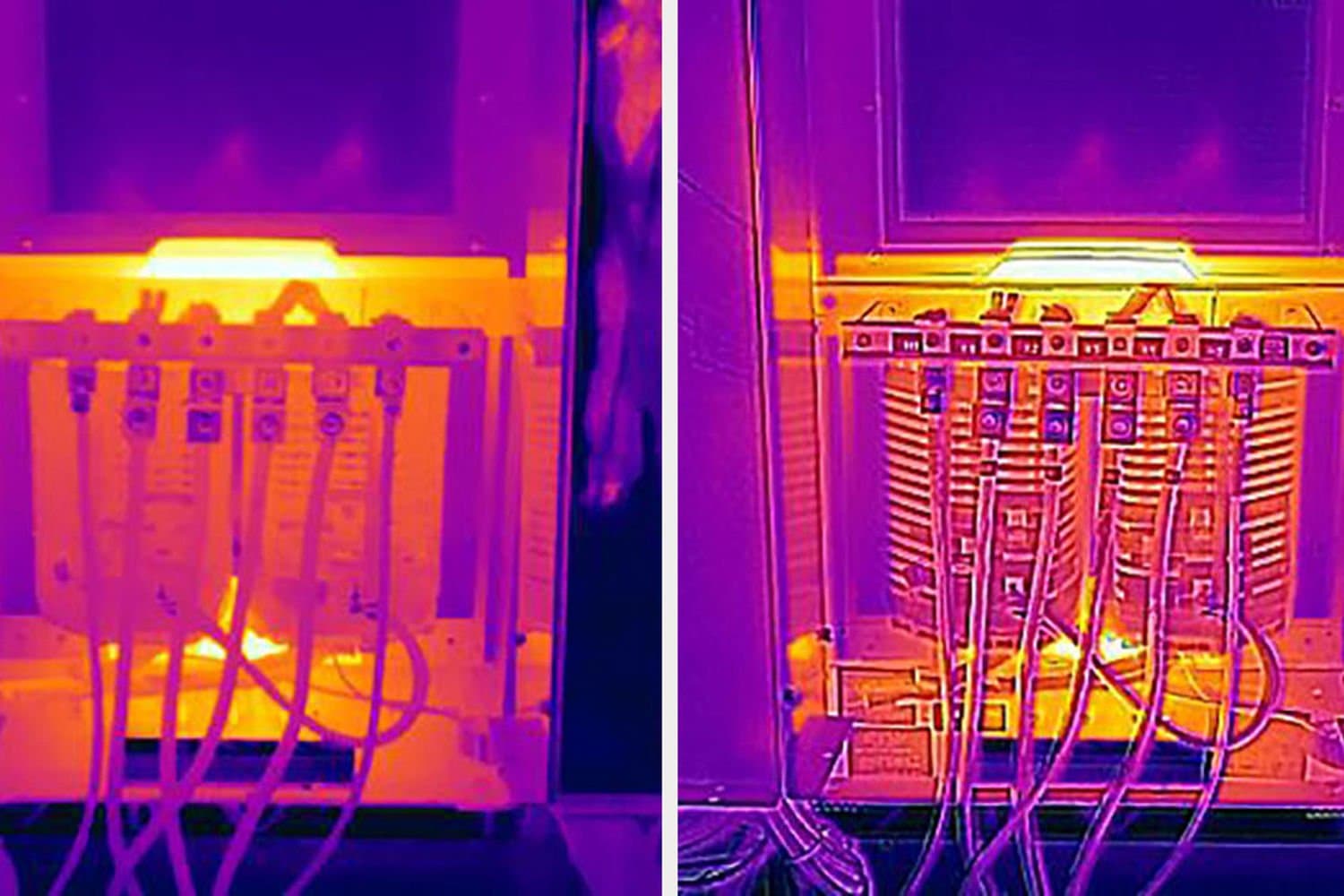
FLIR ONE Gen 3 Thermal Camera (Smartphone)
£184.80See exactly where your home loses heat. Invaluable for prioritising insulation work before a heat pump install.
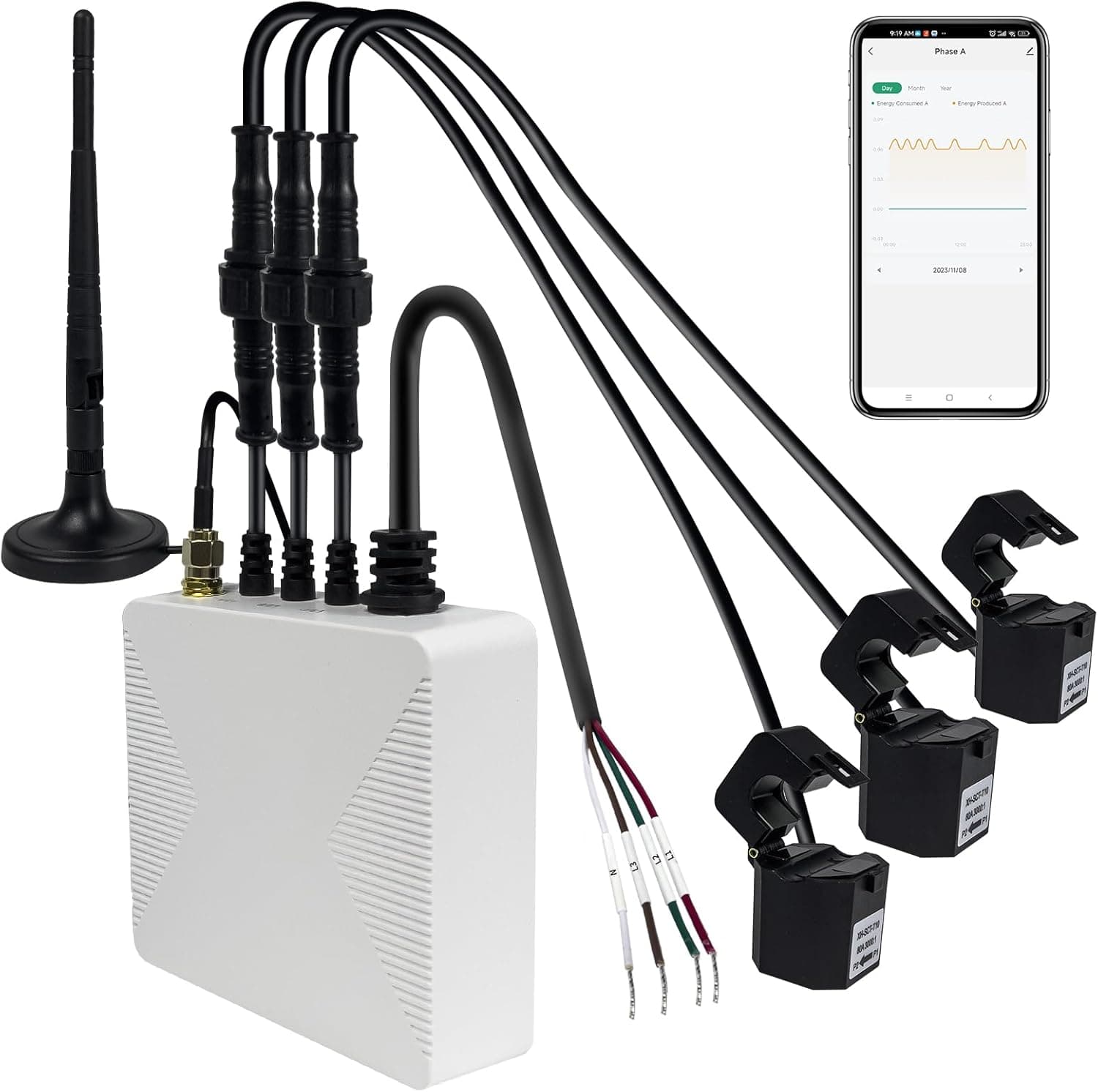
OWON WiFi Smart Energy Monitor
£53.54See exactly how much electricity your heat pump or home uses in real time, essential for tracking savings.
As an Amazon Associate we earn from qualifying purchases. Prices and stock are checked against Amazon every few hours and may have changed since.
