
The Short Answer
Yes, if the installation is a good one. At the current price cap a heat pump running at SCOP 3.5 delivers heat at 7.5p per kWh against 8.9p from a 90% gas boiler, which is a change of direction: gas used to win this. Break-even is a SCOP of 2.97. On a three-bed semi that's about £140 to £200 a year saved on a standard tariff, £330 to £470 on a heat pump tariff, and nothing at all if your installer designs a system that limps in at 2.5. Install quality is the whole argument.
Are Heat Pumps Worth It in the UK? An Honest Assessment for 2026
The question every homeowner asks before spending £9,000–£13,000 on a new heating system deserves a straight answer. Heat pumps are not the right choice for every home, and anyone who tells you otherwise is selling something. This guide walks through the genuine advantages and real drawbacks, so you can decide whether a heat pump makes sense for your specific situation right now, or whether you should wait.
The Genuine Benefits of Heat Pumps
Lower Annual Running Costs, But Not By Much
For a well-insulated three-bedroom home, an air source heat pump typically costs £790–£1,130 per year to run, compared to £930–£1,330 for a gas boiler. That is a saving of roughly £140–£200 per year on a standard tariff, or £330–£470 on a heat pump tariff once your home is properly set up. The saving grows on a time-of-use tariff: Intelligent Octopus Go charges 8p/kWh between 23:30 and 05:30, and Cosy Octopus prices its three daily cheap windows 51% below its day rate.
Over fifteen years that's roughly £2,100 to £7,000 on energy bills, depending on your tariff, and a heat pump should be good for 20 to 25 years, so there's more beyond that. Worth having, not worth remortgaging for. If you see a site promising five figures of savings, check whether they've quietly assumed a heat pump tariff, a bigger house and rising gas prices all at once.
The reason the sums work at all is the October 2026 price cap. Gas went up 8.7%, electricity went up 0.8% and lost its VAT until 31 March 2027, and that flipped the per-unit comparison: 7.5p a kWh of heat from a heat pump at SCOP 3.5, against 8.9p from a gas boiler at 90%. A year ago gas was the cheaper fuel and the honest answer to this guide's title was "for the carbon, not the money". That's changed, but it's changed by about 15%, not by a landslide.
The £7,500 Boiler Upgrade Scheme Grant
The government's Boiler Upgrade Scheme (BUS) currently offers a £7,500 grant towards the cost of an air source heat pump, with an extra £1,500 until March 2027 if the property is heated by oil or LPG and has no mains gas connection. This grant is paid directly to your MCS-certified installer, meaning you never see the money; it simply reduces your invoice. On a three-bed semi at £9,000–£13,000 before the grant, that leaves you £1,500–£5,500 out of pocket, which is new-gas-boiler money.
The grant covers homeowners in England and Wales who are replacing a fossil fuel heating system. Scotland doesn't use BUS. Home Energy Scotland runs its own £7,500 grant (up to £9,000 with the rural and island uplift) plus an optional £7,500 interest-free loan, which is the more generous package of the two.
Future-Proofing Against the Gas Ban
The Future Homes and Buildings Standards land on new English builds on 24 March 2027 (SI 2026/335). They don't literally ban gas boilers, and anyone telling you they do hasn't read them: they extend Part L to greenhouse gas emissions and require an on-site renewable electricity system on every new dwelling, which a gas-heated house can't sensibly meet. Scotland banned direct emissions heating in new builds outright in April 2024. There's no phase-out date for existing homes: the proposed 2035 ban was scrapped in January 2025. While government policy can change, the direction of travel is clear: gas heating is being phased out. Installing a heat pump now means you are ahead of the curve, and you will not face the pressure of replacing a boiler during a period of high installer demand and potentially reduced grants.
Lower Carbon Emissions
A gas boiler's emissions are fixed by the chemistry of burning methane. A heat pump's depend on how clean the grid was in the year you ran it, and the grid keeps getting cleaner, so the gap widens on its own without you doing anything. We're not going to put a percentage on it, because the honest answer changes every year and most of the numbers you'll see quoted are pinned to a grid intensity from several years ago. If you also install solar panels, you can push your heating carbon footprint close to zero during spring and autumn.
The Real Drawbacks You Need to Know
Upfront Cost, and What "Payback" Actually Means Here
After the £7,500 BUS grant, a three-bed semi typically leaves you £1,500–£5,500 out of pocket. Bigger or older properties sit at the top of that band and beyond: a four-bed detached is nearer £4,000–£5,500 net, a period property needing a 12kW-plus unit higher still. New radiators, pipework upgrades or insulation work sit on top of that.
Payback is the number most often quoted and most often misused. If you were replacing a dying gas boiler anyway, there's very little to pay back: about £3,500 net for the heat pump against roughly £2,750 for a new combi, so you're £750 up on the deal, and every pound of fuel saving from then on is yours. If you're ripping out a boiler that's working fine, then you're spending roughly £3,500 net to save £170 a year, which is about 20 years on a standard tariff, or about 9 years on a heat pump tariff at £400 a year. That's the honest split, and it's why we'd tell almost anyone with a healthy boiler to wait until it's on its last legs.
You May Need New Radiators
Heat pumps work most efficiently at lower flow temperatures (35–45°C) compared to gas boilers (60–70°C). Many older radiators are sized for these higher temperatures and will not heat your rooms adequately at lower settings. Replacing radiators costs £150–£400 per radiator, and a full house replacement can run to £1,000–£3,000. A good installer will carry out a room-by-room heat loss calculation to tell you exactly which radiators need replacing before you commit.
Insulation Is Essential First
A heat pump cannot compensate for a poorly insulated home. If your loft is uninsulated, your walls are uninsulated, or you have significant draughts, you will find your heat pump runs constantly and your bills are higher than expected. To be clear, insulation is no longer a condition of the BUS grant; that requirement went in April 2026 along with the EPC rule, and gov.uk now says outright that you're still eligible if you've had energy efficiency funding already. But the grant not demanding it doesn't make it optional in practice. Uninsulated walls push your flow temperature up, your flow temperature pushes your SCOP down, and a SCOP under 2.97 means you're paying more than you would have on gas. Insulate before the heat pump goes in if your home needs it.
Noise
Heat pumps make noise, and the numbers you'll see quoted are a mess because manufacturers publish two different things. Mainstream domestic units have an A-weighted sound power level of roughly 45 to 56 dB(A), which is a property of the machine rather than something you'd hear at a given spot. What you actually hear is sound pressure, and it falls with distance: a 54 dB(A) sound power unit works out around 46 dB(A) at one metre and around 37 dB(A) at three metres in the open. They also run for far longer than gas boilers (often 8 to 16 hours a day in winter rather than short bursts), so the sound is more sustained even though it's quieter. For permitted development in England and Wales, MCS 020 a) requires the calculated sound pressure to be 37.0 dB(A) or lower at the assessment position, which is 1 metre outside a neighbour's habitable-room door or window. See our guide to heat pump noise levels for the detail and how to position your unit.
Slower Response Than Gas
Heat pumps work best when run continuously at a low, steady temperature rather than being turned on and off sharply. If you are used to turning your boiler up when you get home on a cold day and feeling warm within 20 minutes, you will need to adjust your habits. Heat pumps typically run on weather compensation curves, keeping the house at a consistent temperature throughout the day. This is more efficient, but it requires a different mindset and a decent smart thermostat.
Who Should Get a Heat Pump Now
- Your home is well-insulated: EPC rating C or above, loft and wall insulation already in place, minimal draughts. This is the one that decides your SCOP, and your SCOP decides whether you save anything.
- You are replacing an old or broken boiler: if your gas boiler is over 10–12 years old and facing replacement anyway, a heat pump is the logical next step rather than spending around £2,750 on a new gas boiler. Net of the grant the two cost within about £750 of each other, so you're barely spending extra.
- Your installer will put a SCOP in writing: ask for the predicted figure and the design flow temperature. Anything under 3.0 is a warning; 3.5 or better is what a competent design on decent radiators should reach.
- You qualify for the BUS grant: you are replacing a fossil fuel system (gas, oil, or LPG) and are in England or Wales. In Scotland, the Home Energy Scotland grant does the same job.
- You have space for the outdoor unit: a clear external wall or garden area with airflow on at least two sides. In England the old one-metre-from-the-boundary rule went on 29 May 2025 (SI 2025/560), the size limit went from 0.6m³ to 1.5m³ for a house, and detached houses can now have two units. Wales made the same changes on 1 June 2026 (WSI 2026/79) and dropped its own three-metre boundary rule. Scotland and Northern Ireland still work to the older MCS 020 standard and their own permitted development rules.
Who Should Wait
- Your home is draughty or uninsulated: sort insulation first. A heat pump in a leaky home is an expensive disappointment.
- Your boiler is under 5 years old: unless it is oil or LPG (where the running cost savings are larger), it rarely makes financial sense to replace a recent gas boiler
- You are planning a major renovation: wait until building work is complete. You may be able to add underfloor heating at the same time, which is ideal for heat pumps.
- You can't get a straight answer on SCOP: if an installer won't commit to a predicted seasonal efficiency, or quotes a 55°C flow temperature into your existing radiators, walk away and get another quote. That system will cost you more to run than the boiler it replaced.
- You cannot access the BUS grant: without £7,500 off, a heat pump is roughly £3,900 worse than a gas boiler over fifteen years. The grant, not the running cost, is what makes the maths work.
The Verdict
A well-installed heat pump now beats gas on running cost. A poorly installed one doesn't. That single sentence is the whole answer, and it's the bit the marketing skips.
The technology isn't in question any more. At SCOP 3.5 you're paying 7.5p for a kWh of heat against 8.9p from a condensing gas boiler, and with the £7,500 grant the two cost about the same to fit. Over fifteen years the heat pump comes out roughly £3,600 ahead on a three-bed semi, most of which is the gas boiler needing replacing inside that window rather than the fuel saving itself. Our heat pump vs gas boiler guide shows that sum line by line.
But the break-even SCOP is 2.97, and plenty of real installations land below it: oversized units short-cycling, flow temperatures set to 55°C to compensate for radiators nobody resized, buffer tanks fitted by default. Get one of those and you'll pay more than you did on gas, with the grant money already spent. Two questions settle it before you sign anything: what design flow temperature is this system built around, and what SCOP are you predicting. An installer who answers "45°C or lower" and "3.5" is worth paying more for than one who's £1,500 cheaper and vague.
So: worth it if your home is reasonably insulated, your boiler is near the end anyway, you can get the grant, and you've picked the installer on the answers rather than the price. Not worth it if any one of those is missing.
For more detail on the numbers, read our full guide to heat pump running costs, or use our heat pump savings calculator to model your specific home.
Products to Help You Prepare
If you are still deciding, these tools help you understand your home's energy use and readiness for a heat pump.
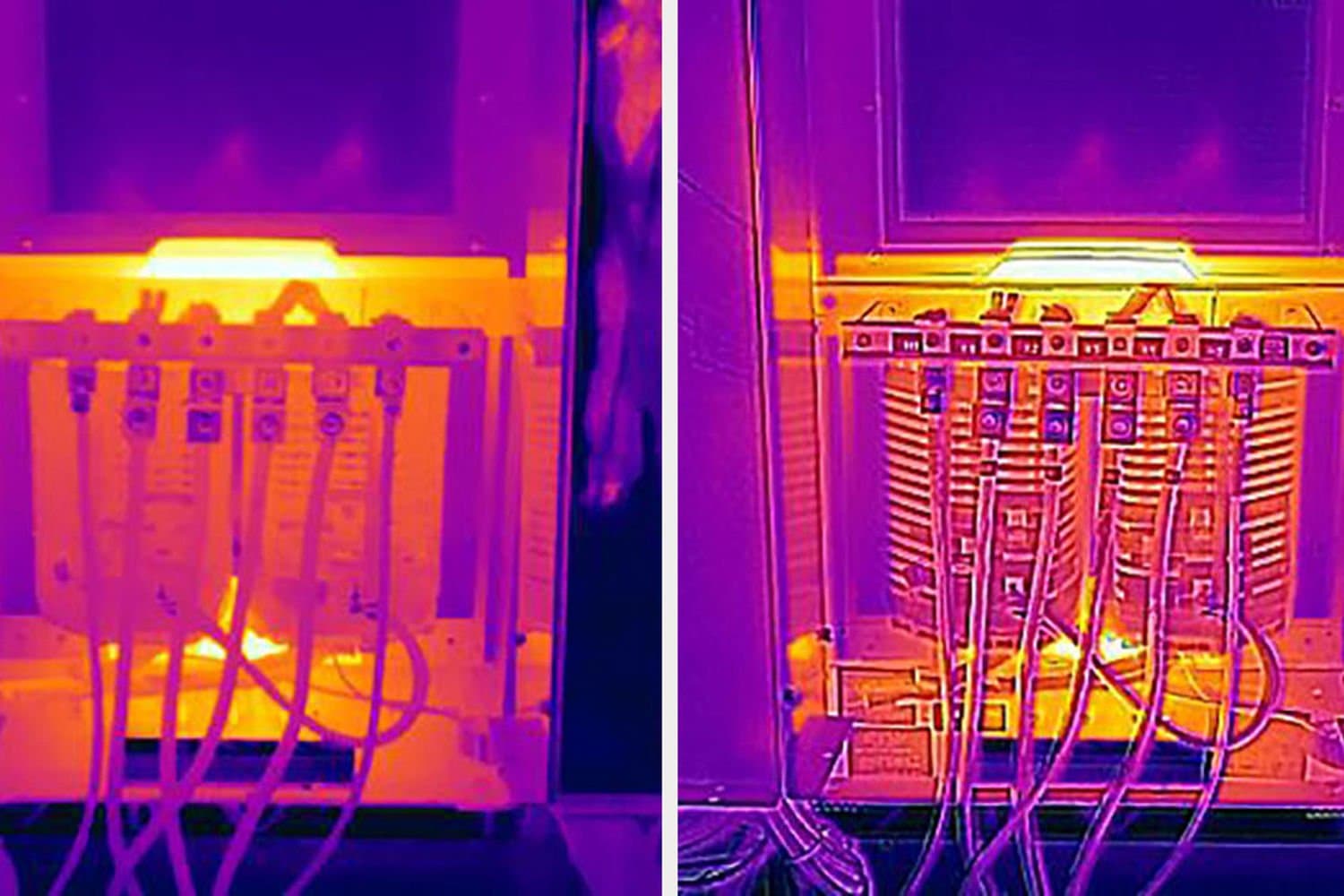
FLIR ONE Gen 3 Thermal Camera (Smartphone)
£184.80See exactly where your home loses heat. Invaluable for prioritising insulation work before a heat pump install.
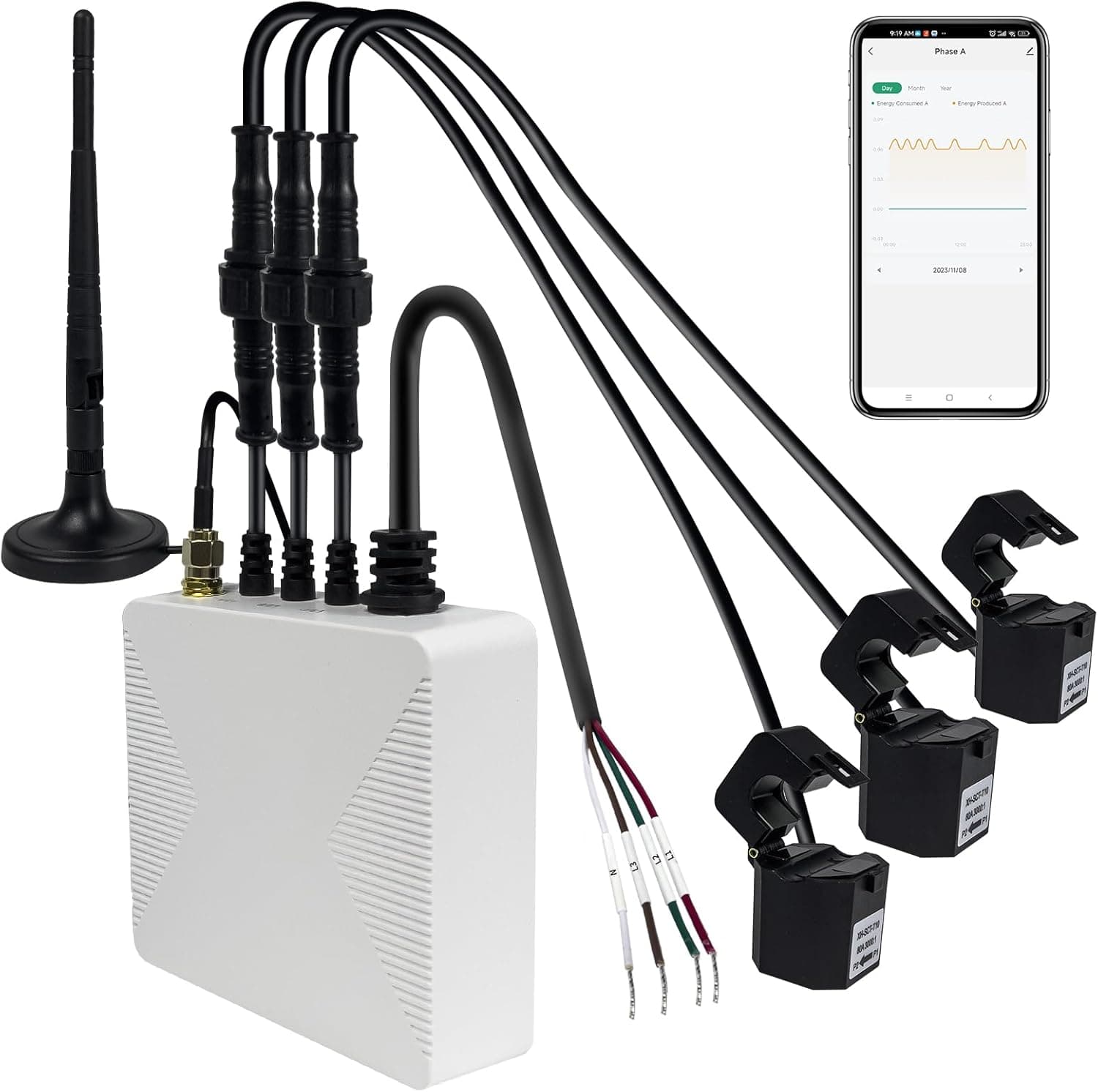
OWON WiFi Smart Energy Monitor
£53.54See exactly how much electricity your heat pump or home uses in real time, essential for tracking savings.
As an Amazon Associate we earn from qualifying purchases. Prices and stock are checked against Amazon every few hours and may have changed since.
