
Estimate the Saving for Your Old House
Pre-set for a larger pre-1980 home on gas (£2,000 bill, SCOP 3.2, because older homes typically need higher flow temps and run a bit less efficiently). Solid-walled Victorian or Edwardian properties often run higher: nudge the bill above £2,200 if that's you.
1. What heats your home today?
Pick whichever your main heating uses.
Add up last year's bills, or use the typical figure for your home below.
3. What size is your home?
We use this to estimate the size of heat pump you'd need.
4. Do you have solar panels?
Free electricity from your roof cuts what the heat pump costs to run.
5. Your options
Most homes qualify for both. Leave them on unless you know they don't apply.
Your estimated saving
£665a year
Over 20 years that's around £13,298 off your heating bills.
Now: Gas boiler
£2,000 / year
With heat pump
£1,335 / year
You save
£665 / year
What about the upfront cost?
- Heat pump install (typical)
- £13,000
- Less government grant
- -£7,500
- You pay
- £5,500
- A new gas boiler would cost
- ~£2,750
If your boiler needs replacing anyway, the heat pump costs about £2,750 more upfront - earned back in roughly 4.1 years from running cost savings.
Like the look of £665 a year?
These are estimates. The only way to know your real saving is a free quote from an MCS-certified installer. Takes 2 minutes, no obligation, no pushy sales calls.
How we worked this out
Energy prices: Ofgem price cap for 1 October to 31 December 2026 (Direct Debit, GB average): gas 7.97p/kWh, electricity 26.32p/kWh. There is no VAT on domestic electricity from 1 October 2026 to 31 March 2027; the gas figure includes 5% VAT. Heat pump tariff blended at 20p/kWh (an estimate for Cosy Octopus, E.ON Next Pumped or EDF Heat Pump Tracker on a heat pump load profile, not a quoted rate). Heating oil 10.97p/kWh (113.52p/litre ÷ 10.35 kWh/litre, BoilerJuice UK average, September 2026). LPG 11p/kWh, indicative midpoint of the typical UK domestic range.
Heat pump efficiency:Seasonal performance factor (SCOP) of 3.5. The real-world average across 252 monitored UK heat pumps on heatpumpmonitor.org is 3.87 (January 2026), so we've picked a deliberately conservative figure.
Typical bill ranges: Gas 3-bed £1,000-£1,400, oil £1,500-£2,000, LPG £1,400-£2,200, electric storage heaters £1,500-£2,500 (Uswitch, retrofitplanner.co.uk, Checkatrade 2026). Oil and LPG homes pay roughly twice as much per unit of heat as gas, which is why the saving from switching to a heat pump is bigger.
Solar: A typical UK 4kW system generates around 3,800 kWh/yr. Without a battery the heat pump can self-consume around 1,000 kWh of that; with a battery shifting midday surplus into morning and evening, around 1,700 kWh.
Install costs: Energy Saving Trust 2026 typical range £10,000-£13,000 by home size. New gas boiler ~£2,750 (UK average, Checkatrade 2026). The £7,500 grant is the Boiler Upgrade Scheme (gov.uk) for England and Wales.
Estimates only. Your actual saving depends on the installer, flow temperatures, your home's heat loss and your electricity tariff. Always get a heat loss survey from an MCS installer for an accurate quote.
Heat Pumps in Old Houses: What You Need to Know
Installing a heat pump in an older property is absolutely achievable, but it requires more planning, a larger budget, and often some insulation work before the heat pump goes in. The good news is that the combination of insulation upgrades and a heat pump, supported by available grants, can transform the running costs of even a draughty Victorian terrace. Here is a clear-eyed look at what to expect by property era.
Heat Loss by Era: How Old is Your House?
The older your home, the higher its heat loss is likely to be, and heat loss drives everything else: how big a heat pump you need, how your radiators perform, and what you will pay to run the system. Here are typical annual heat demands for common UK property eras, before any insulation improvements:
| Era | Construction | Typical Heat Demand | Key Issues |
|---|---|---|---|
| Victorian (pre-1919) | Solid brick walls, no cavity, no insulation | 15,000–20,000 kWh/yr | Very high wall heat loss, draughty floors and windows |
| 1920s–1930s | Cavity walls (often unfilled), slate or tile roof | 12,000–16,000 kWh/yr | Unfilled cavity walls, minimal loft insulation |
| 1950s–1960s | Basic cavity walls, early double brick | 10,000–14,000 kWh/yr | Single glazing common, basic cavity, minimal insulation |
| 1970s–1980s | Wider cavity, early insulation standards | 8,000–12,000 kWh/yr | Often has some cavity fill but loft may be thin |
Compare this to a modern home built to post-2010 standards, which typically uses just 5,000–8,000 kWh per year. The gap is significant, but insulation works can close much of it.
Insulate First: The Priority Order
Before installing a heat pump in an older property, you should address insulation in the following priority order. Each step reduces heat demand, potentially allowing a smaller heat pump unit and improving running efficiency:
1. Loft Insulation
The single most cost-effective upgrade. A typical Victorian terrace loses around 25% of its heat through the roof. The Energy Saving Trust puts installed loft insulation at £750 in Great Britain to take an empty loft to the recommended 270mm, or £600 to top up from 120mm (£1,100 and £700 respectively in Northern Ireland). You'll see £300 to £600 quoted all over the place, which is a materials-only figure, not a fitted one. Either way it's the cheapest measure per unit of heat saved and it's worth doing whether or not a heat pump follows.
2. Cavity or Solid Wall Insulation
For 1930s properties with unfilled cavities, cavity wall insulation is the next easiest job. The Energy Saving Trust's figure for a typical GB home is around £2,200 (around £1,000 in Northern Ireland). It involves drilling small holes in the external mortar and injecting insulation beads or mineral wool; the holes are then repointed and virtually invisible.
For Victorian properties with solid walls, this gets expensive fast, and it's where most "insulate first" advice quietly stops being affordable. The Energy Saving Trust's typical whole-house figures are around £12,000 for internal wall insulation and around £15,000 for external. External insulation is more effective and doesn't eat your room sizes, but it changes the look of the building and is usually a non-starter in a conservation area. Internal is less disruptive outside and can be done room by room, which is how most people actually afford it: doing the two coldest rooms is a fraction of the whole-house price and gets you most of the comfort.
Be honest with yourself about this line. If £12,000 of wall insulation isn't happening, that's fine, but plan the heat pump around the heat loss you'll actually have rather than the one you'd have after works you're not going to do. Grants may be available through ECO4 or the Warm Homes: Local Grant for eligible households.
3. Draught Proofing
Old houses leak air through floorboards, window frames, skirting boards, and loft hatches. The Energy Saving Trust puts professional draught proofing of windows and doors at around £250 for a whole house, saving about £55 a year in Great Britain. A chimney cap is another £150 or so and saves around £45 a year if you've got an open, unused chimney. DIY is cheaper still. It's the best value job on this list and it should happen alongside any heat pump installation.
What Insulation Does to Your Heat Demand
A typical Victorian terrace with solid walls, poor loft insulation, and single glazing might have a heat demand of 18,000 kWh per year. After adding loft insulation, secondary glazing or double glazing, and draught proofing (even without external wall insulation), that figure often drops to 10,000–12,000 kWh per year. This matters enormously for heat pump sizing and running costs.
Heat Pump Sizing for Old Properties
A modern, well-insulated home typically needs a 6kW to 8kW heat pump. An older property with higher heat loss will need a larger unit:
- Victorian solid-wall terrace after insulation work: typically 10–14kW
- 1930s semi with cavity fill and loft insulation: typically 8–12kW
- 1950s detached, single glazing, basic insulation: typically 10–14kW
Larger units cost more upfront and use more electricity to run, reinforcing why insulation should come first. A proper heat loss survey is essential, as it calculates the actual figure for your specific home rather than relying on estimates.
Listed Buildings and Conservation Areas
If your older property is listed or sits in a conservation area, you face additional constraints:
- External wall insulation is unlikely to be approved on a listed building's exterior; internal wall insulation is the usual approach
- The outdoor heat pump unit may require listed building consent if it affects the character of the building or its setting
- Some conservation areas restrict units on front-facing walls or roofs visible from the street
Always consult your local planning authority before proceeding. Most listed building officers are willing to discuss what is and is not acceptable in a pre-application meeting. Many listed buildings have successfully had heat pumps installed, particularly when the unit is discreetly sited at the rear.
Realistic Total Costs for an Old House
| Work | Typical Cost | Notes |
|---|---|---|
| Loft insulation (empty loft to 270mm) | £750 | Energy Saving Trust GB figure; £600 to top up from 120mm. May be free under ECO4 or the Warm Homes: Local Grant. |
| Cavity wall insulation | £2,200 | Energy Saving Trust GB figure. 1930s+ properties only; may be free if you qualify for a grant scheme. |
| Solid wall insulation (internal) | £12,000 | Energy Saving Trust GB figure for a whole house. Doing two or three rooms costs proportionally less. |
| Draught proofing (windows and doors) | £250 | Energy Saving Trust GB figure. Saves about £55/yr. |
| Heat pump (10–14kW, installed) | £11,000–£15,000 | Before BUS grant. Above the £9,000–£13,000 band a typical home sits in, because the unit is bigger and old houses usually need radiator work. |
| 1930s semi: cavity + loft + draughts + heat pump | £14,200–£18,200 | Before grants |
| After £7,500 BUS grant | £6,700–£10,700 | Insulation grants may reduce this further |
| Victorian terrace with full internal wall insulation | £24,000–£28,000 | Before grants |
| After £7,500 BUS grant | £16,500–£20,500 | Insulation grants may reduce this further |
Those Victorian numbers are uncomfortable, and they're the reason we'd steer most solid-wall owners away from the full-retrofit version. Loft insulation, draught proofing and a correctly sized heat pump comes to roughly £12,000–£16,000 before the grant, £4,500–£8,500 after it, and gets you most of the way. The £12,000 of internal wall insulation buys real comfort but it will never pay back on fuel savings alone, so do it because you want warm walls, not because a payback calculator told you to.
A 1930s semi that just needs cavity fill sits at the lower end. A Victorian end-terrace doing everything sits at the top. Check what you're eligible for before committing to any of it.
Is It Worth It?
Yes, with a condition attached, and in an old house the condition matters more than anywhere else. At the 1 October to 31 December 2026 price cap, a heat pump at SCOP 3.5 delivers heat at 7.5p per kWh against 8.9p from a 90% gas boiler, so it's about 15% cheaper to run. Break-even is a SCOP of 2.97. An old house with high heat loss pushes flow temperatures up and SCOP down, which is exactly how you end up on the wrong side of that line and paying more than you did on gas.
That's why the insulation order of works above isn't optional advice in a period property, even though it's no longer a condition of the grant. Every degree you take off the design flow temperature is worth roughly 2.5% on your SCOP, and in a solid-wall house the difference between 55°C and 45°C is the difference between saving money and not.
Start with a professional heat loss survey. You do not need an EPC: the Boiler Upgrade Scheme (Amendment) Regulations 2026 (SI 2026/390) came into force on 28 April 2026 and deleted the requirement for an eligible property to have a valid EPC, taking the linked insulation condition with it. Don't let anyone charge you £60 to £120 for an EPC on the basis that the grant needs one. Our heat pump grants guide covers every funding source currently available for older properties.
Prepare Your Old House for a Heat Pump
Older homes benefit most from draught proofing and a thermal survey before committing to a heat pump. These products help.
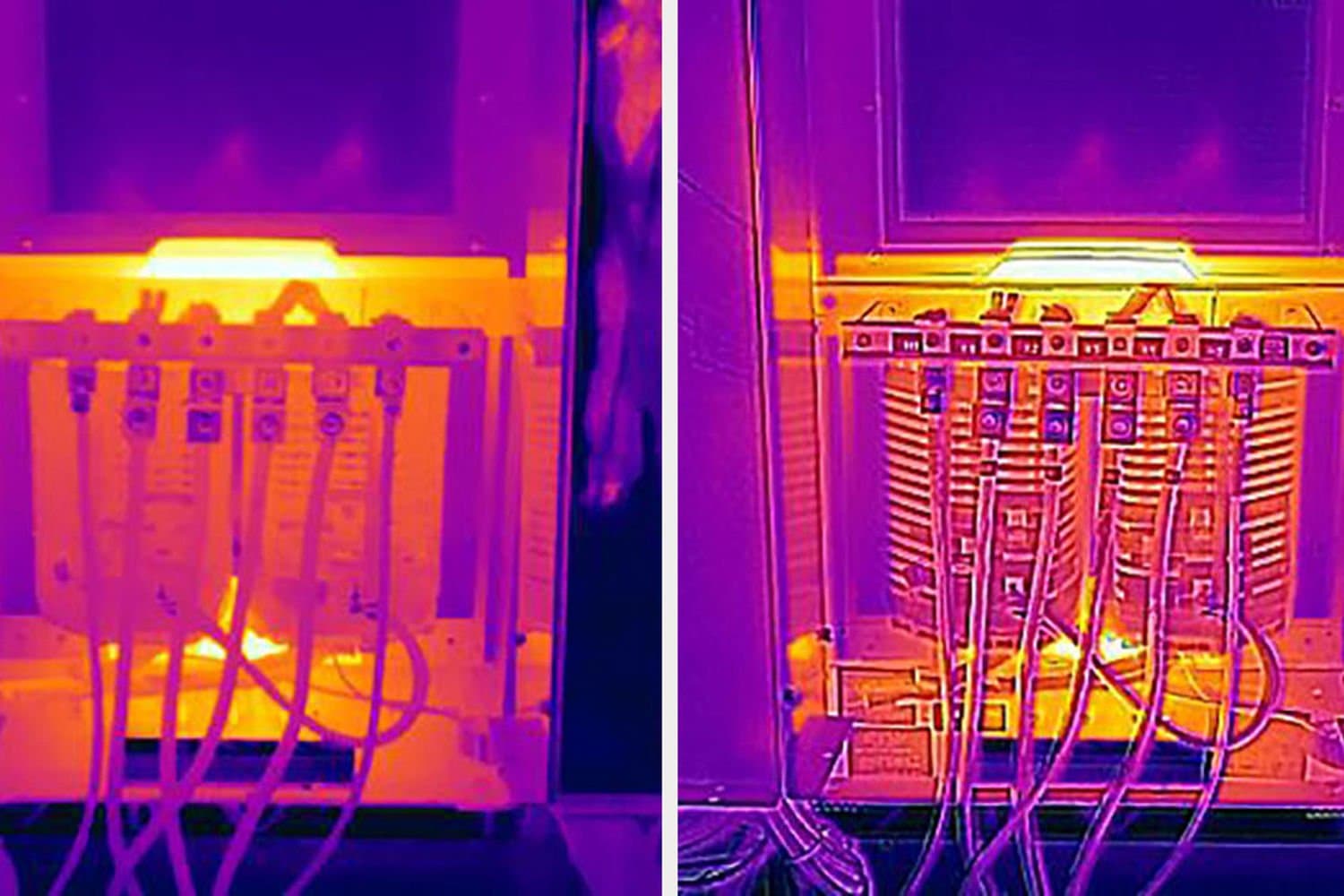
FLIR ONE Gen 3 Thermal Camera (Smartphone)
£184.80See exactly where your home loses heat. Invaluable for prioritising insulation work before a heat pump install.
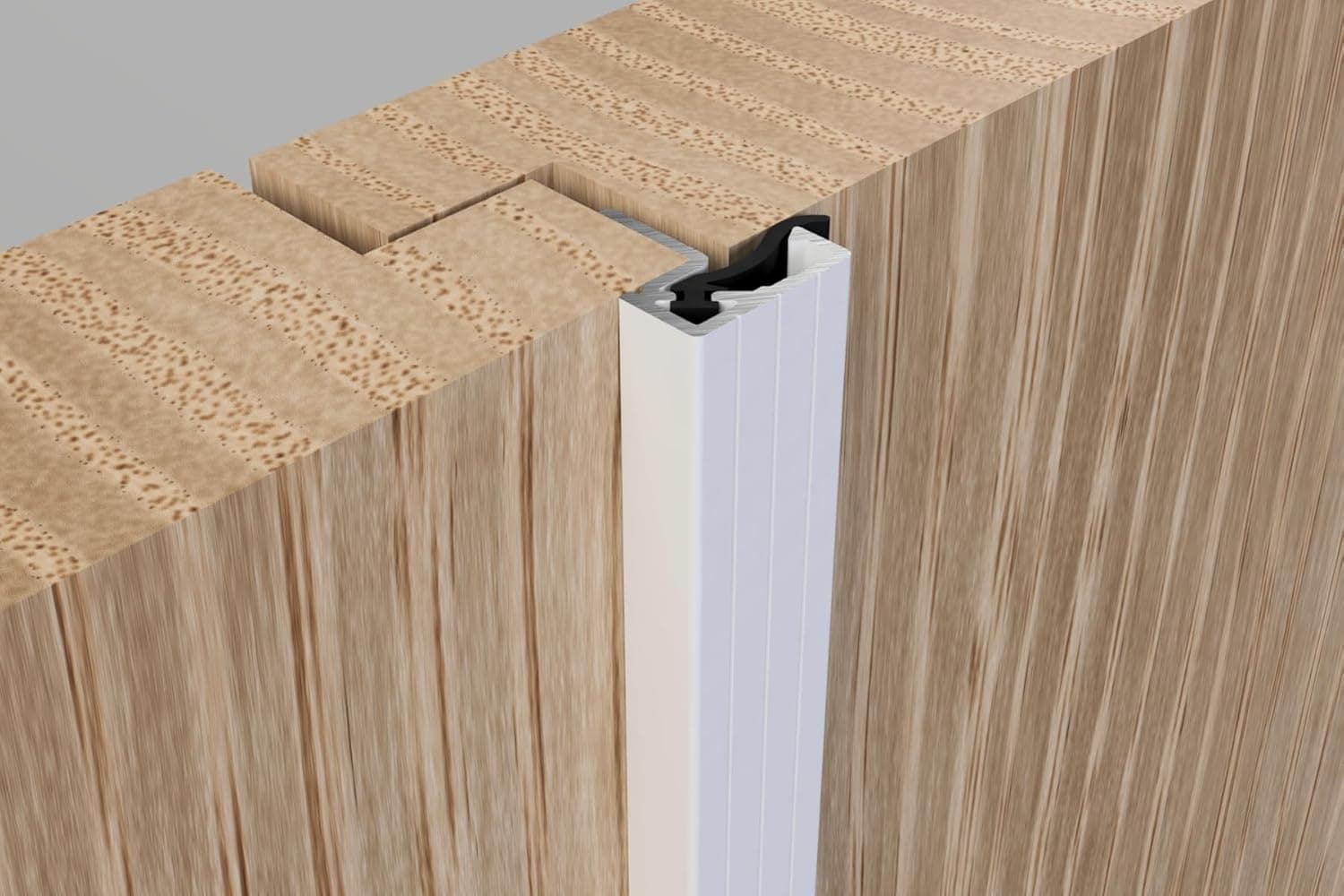
Stormguard Double Door Seal
£26.39Draughty doors are one of the cheapest heat losses to fix. This seal fits most UK door frames.
Chimney Sheep Chimney Draught Excluder
£33.00An open chimney loses as much heat as leaving a window open. This is one of the best draught-proofing investments.
Everbuild Expanding Foam 750ml
£6–£10Seal gaps around pipes and cables entering the house. Every small gap adds up to significant heat loss.
As an Amazon Associate we earn from qualifying purchases. Prices and stock are checked against Amazon every few hours and may have changed since.
