
The Short Answer
Sealing your external doors is cheap, quick and worth doing. Just don't expect it to be worth £40 a year on its own. The Energy Saving Trust puts draught proofing your windows, floors and doors together at around £55 a year in Great Britain (£80 in Northern Ireland). Doors are a slice of that, not an extra on top.
- Stormguard door seal (about £26): for external doors. Aluminium rebate excluder, screws to the frame, done in fifteen minutes.
- Letterbox brush (about £14): the bit everyone forgets, and on a front door it's often the worst offender.
- Brush strip (£6–£10): for the gap under a door that leads outside or to an unheated garage or porch.
- Weighted door sausage (about £25 for a decent heavy one, less for a thin one): if you can't drill, or you're renting.
Budget around £80 to do the front door, the back door and the letterbox properly. And if you've got an unused chimney, do that first: it's worth about £45 a year on its own, more than all your doors combined.
Why Doors Matter, and How Much
Run your hand around the edge of your front door on a cold day and you'll feel it. That cold air is coming in continuously, all winter, and the warm air it displaces is going out somewhere else. Most people notice draughty windows and ignore doors, largely because you can't see the gap as easily.
The honest sizing of the prize, though, comes from the Energy Saving Trust: draught proofing windows, floors and doors is worth around £55 a year in GB, £80 in NI. That's the lot. Your doors are one of three things in that list, and unless your front door is visibly daylit around the edges they're probably not the biggest of the three.
So think of what follows as shares of that £55, not as separate savings you add up. We used to present these as per-door extras that totalled more than the whole-house figure, which was wrong, and it's the sort of error that makes every other number on a page suspect.
External Doors vs Internal Doors (And Why the Energy Saving Trust Says Leave Internal Ones Alone)
This distinction matters more than which brand of seal you buy.
External doors (front, back, side door to the garage) are the job. Cold outside air is getting in and warm inside air is getting out. Seal the frame with compression strips, seal the bottom with a brush or a threshold excluder, seal the letterbox and the keyhole. This is where the saving lives.
Internal doors are a different thing entirely, and the Energy Saving Trust is unambiguous about it: internal doors should not be draught proofed, because there needs to be a gap beneath them for air to move through the house. Seal every internal door in a modern airtight home and you're trading a couple of quid for condensation and stale air.
That doesn't make a brush strip or a door sausage on an internal door useless. It makes it a comfort purchase rather than an energy one. Stopping cold air rolling out of an unheated hallway into the room you're sitting in is a real and pleasant effect. It just isn't saving you money in any meaningful way, and it's not something to do to every door in the house.
The exception worth making: a door onto an unheated space that's effectively outside (an integral garage, an unheated porch, a conservatory you don't heat, a cellar) counts as external for this purpose. Seal those properly.
Our Picks
Best for External Doors: Stormguard Double Door Seal
The Stormguard aluminium rebate seal screws to the door frame and compresses against the door when it shuts. White or brown to match your frame, fits most standard UK external doors, and it takes about fifteen minutes a door with a drill and a screwdriver.
It's about £26 a door (£26.39 on 18 September 2026). That's the number we're using throughout this guide, including in the table below, and it's the current Amazon price for the kit we link to. You'll see £10–£18 quoted for "door seal kits" elsewhere, and those are usually self-adhesive foam rather than a screwed aluminium rebate seal. Foam is cheaper and it's a perfectly reasonable first move, but it perishes and needs replacing every couple of years. The aluminium one is a fit-and-forget job.
Front and back door is about £53, and you'll feel the difference in the hallway the same evening.
The One Everybody Forgets: The Letterbox
If your front door has a letterbox, it's often a bigger hole than the gap under the door, and it's the only one with a flap that spends half its life propped open by a takeaway menu. An Exitex letterbox excluder (about £14) fits an internal brush cover over the slot and takes five minutes with four screws.
While you're there, a keyhole cover is £3–£5 and drops a metal disc over the hole. It's a small thing, but it's the cheapest item in the whole exercise and it takes thirty seconds.
Best Under-Door Seal (Permanent): Brush Strip
A brush strip screws to the bottom of the door and seals against the floor with flexible bristles. It's the best permanent answer for an under-door gap because the bristles flex over uneven floors, thresholds and carpet without dragging. Standard 838mm strips fit most UK doors, so measure yours first.
Take the door off its hinges if you can, because screwing it on straight is much easier flat. If you can't be bothered, you can do it in place with more patience and more swearing.
At £6–£10 it's the cheapest effective thing you can do to an external door. Fit it to doors that lead outside or to unheated spaces, not to doors between heated rooms.
Best Under-Door Seal (No Drilling): Weighted Draught Excluder
If you're renting, can't drill, or just want it sorted this afternoon, a weighted fabric excluder (the classic door sausage) does a decent job. Modern ones are weighted with sand or rice so they stay put, and they come long enough for standard UK door widths.
They don't seal as tightly as a fixed brush strip and they move when you open the door, so you'll be kicking them back into place. The one we link to was £24.99 on 18 September 2026, which is more than a brush strip, though thin ones go for under a tenner. With zero installation they're still the path of least resistance, and a sausage that's actually in place beats a brush strip you never got round to fitting.
What It Costs and What You Get Back
Every saving below is a share of the Energy Saving Trust's £55 a year for draught proofing windows, floors and doors in GB, not an addition to it. Windows and floors take the rest.
| Job | Product | Cost | Realistic share of the annual saving |
|---|---|---|---|
| Front door: frame seal | Stormguard rebate seal | ~£26 | £5–£10 |
| Back door: frame seal | Stormguard rebate seal | ~£26 | £5–£10 |
| Under an external door | Brush strip | £6–£10 | £2–£5 |
| Letterbox | Exitex brush excluder | ~£14 | £2–£5 |
| Keyhole | Keyhole cover | £3–£5 | £1–£2 |
| Internal door (comfort, not saving) | Weighted excluder | £10–£25 | Negligible. Don't seal the gap permanently |
| Doors, total (excluding the internal-door sausage) | £69–£81 | £15–£32 | |
| Unused chimney, for comparison | Chimney draught excluder | ~£33 | ~£45 (GB), ~£60 (NI) |
Two things jump out of that. First, doing the doors properly costs £69–£81 and pays back somewhere between two and five years, call it three, which is fine for something that takes an hour and makes the hallway immediately nicer to stand in, but it isn't the one-winter payback you'll see claimed. Second, if you have an unused open chimney, that is the job to do first. The Energy Saving Trust puts it at around £45 a year in GB on its own, for about £33 of kit. Nothing you do to a door comes close.
For context on the other end of the scale: getting a professional to draught proof the windows and doors of a whole house runs to around £250, which is the same work for four times the money. This is genuinely a DIY job for anyone who owns a drill.
What You Don't Need
- Don't seal every internal door in the house. The Energy Saving Trust says to leave a gap under internal doors for airflow, and blocking them all is how you end up with condensation on the bedroom windows.
- Don't block airbricks, wall vents, underfloor grilles, extractor fans or trickle vents. These aren't draughts, they're the ventilation keeping your house dry and, if you've got any flueless or open-flued gas appliance, safe. This is the one place in home energy where getting it wrong is dangerous rather than just expensive.
- Don't buy the expensive aluminium seal for a door you're replacing next year. Foam strip is a couple of pounds and does most of the job in the meantime.
- Don't pay someone £250 to do the whole house unless the property is old, awkward or listed, in which case a professional genuinely will do a better job with the right materials. For a standard modern door, this is an afternoon with a drill.
Finding the Draughts First
Before you buy anything, find out where the air is actually coming in. On a windy day, walk round with the back of your hand and feel around door edges, the bottom of the door, the letterbox, the keyhole, and where the frame meets the wall. Look for daylight around the edges. Curtains moving with the windows shut is a giveaway. So is a whistle on a gusty night.
You'll often find the worst gap isn't where you assumed. A well-hung front door with a weathered threshold under it can be tighter round the edges than a back door nobody's adjusted since 1998.
For the complete picture (chimneys, floorboards, pipework, cracked render and the rest) see our full draught-proofing guide. If your windows are the bigger culprit, thermal curtains and window insulation film are the next things to look at.
Our Top Picks
From full door seal kits to no-drill options for renters.
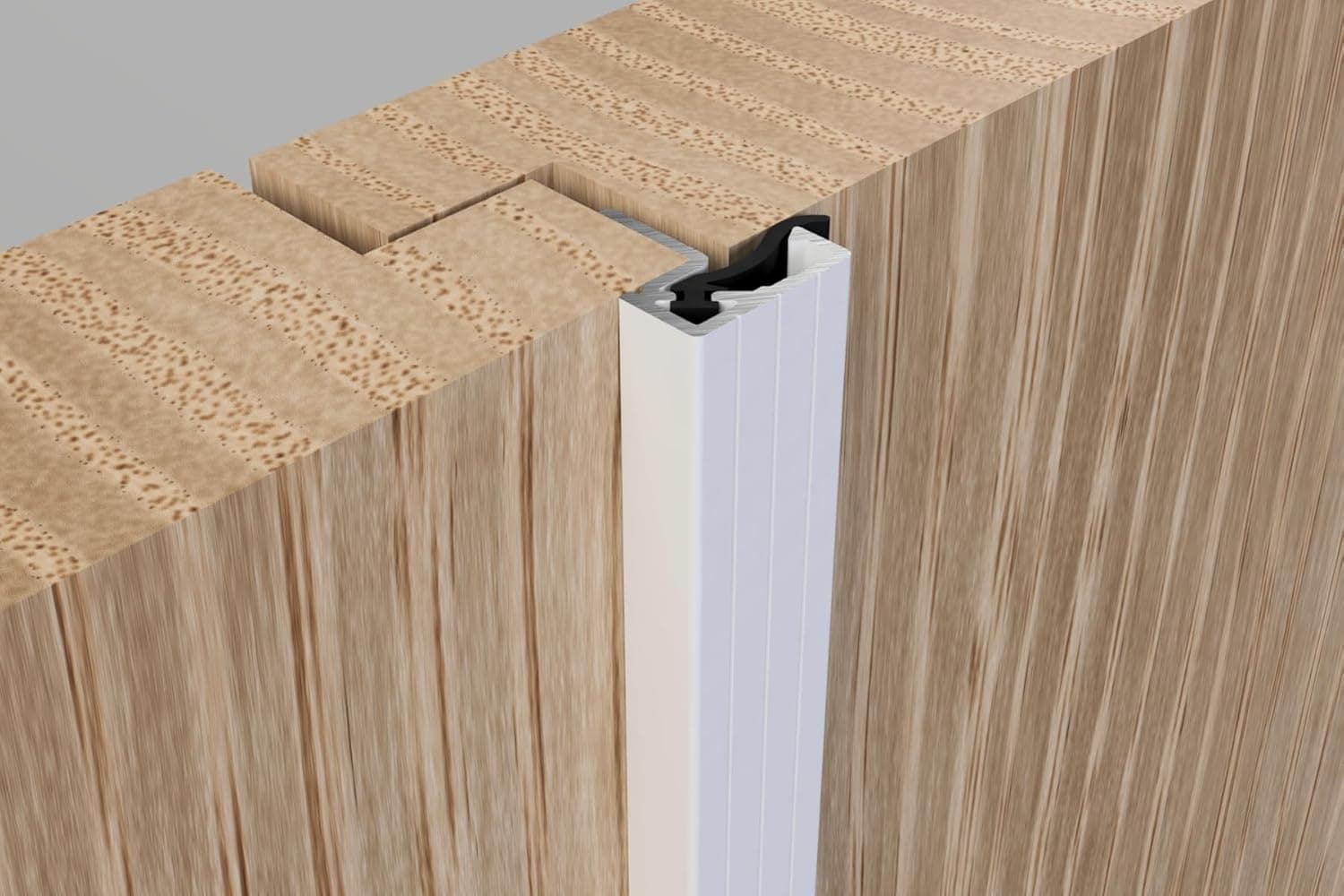
Stormguard Double Door Seal
£26.39Draughty doors are one of the cheapest heat losses to fix. This seal fits most UK door frames.
Diall Under-Door Brush Strip (838mm)
£6–£10The most common under-door seal for UK homes. Brush design works on uneven floors and doesn't snag on carpet.
Draught Excluder Door Sausage (Weighted)
£24.99Zero installation: just drop it at the base of the door. Good for renters or doors you don't want to drill into.
As an Amazon Associate we earn from qualifying purchases. Prices and stock are checked against Amazon every few hours and may have changed since.
