
The Short Answer
Wrap any hot water or heating pipes that run through unheated spaces (lofts, garages, under suspended floors) with foam pipe lagging. Most UK homes need 22mm (for heating flow and return) and 15mm (for hot water runs). Reckon on £20–£34 for the lot and about 30 minutes to fit it.
Buy it for the frost protection, not the bill. The Energy Saving Trust puts the energy saving from insulating your pipes at around £6 a year, so this is essentially £30 of burst-pipe insurance that happens to shave a little off your heating.
Why It Matters
The real reason to do this is the one that doesn't show up on a bill. If pipes in your loft or garage freeze in winter they can split, and a burst pipe above a plasterboard ceiling is a genuinely expensive day: ruined ceilings, soaked carpets, an insurance claim and an excess to pay. Lagging won't stop a pipe freezing in a proper cold snap on its own, but it slows the heat loss enough to buy you hours, which is often the difference between a frozen pipe that thaws and one that bursts.
The energy saving is real but small. The Energy Saving Trust's published figure for insulating your exposed indoor pipes is around £6 a year in Great Britain and the same in Northern Ireland, based on a typical three-bedroom semi. That's not why you're doing it. You're doing it because £30 of foam is a stupidly cheap hedge against a four-figure repair.
If You Have a Heat Pump, Pay More Attention
Heat pumps run a much narrower gap between flow and return temperature than a gas boiler does, often around 5°C, and at a flow temperature of 35–45°C rather than 70°C. Lose a couple of degrees in a long uninsulated run across a cold loft and you've lost a meaningful slice of the useful heat in that circuit, which the compressor then has to put back. On a gas boiler running a 20°C difference, the same loss barely registers. Lagging is cheap; on a heat pump system it's not optional.
Same logic applies to the hot water cylinder while you're at it. The Energy Saving Trust reckons adding an 80mm British Standard jacket to a tank with 25mm of built-in foam saves £45 a year in GB (£35 in NI), and the jacket costs about £30. That one genuinely does pay for itself in a year, and it's a far better return than the pipes.
What Size Do You Need?
Pipe insulation comes in sizes that match the outer diameter of the pipe it fits over. UK homes almost always use copper pipes in two sizes:
- 15mm: used for most hot water runs and smaller heating circuits. This is the thinner pipe.
- 22mm: used for main heating flow and return pipes, and hot water pipes from the cylinder. This is the thicker pipe.
If you're not sure, measure the outside diameter of the pipe with a tape measure. 15mm pipe measures about 15mm across; 22mm pipe measures about 22mm. It's not rocket science.
For most homes, you'll want both sizes. Buy more than you think you need; the leftover tubes will sit in the loft for 20 years without degrading.
What to Buy
For Standard Pipe Runs: Climaflex Foam Tubes
Climaflex is the standard choice and what you'll find in most builders' merchants. The tubes are pre-slit down one side so you can snap them over existing pipes without disconnecting anything. They're flexible enough to go around gentle bends and they stay in place without adhesive in most cases (though a wrap of tape at each end doesn't hurt).
Pack sizes vary by diameter, which trips people up. The 22mm we link to is a 5m pack (5 x 1m lengths) at £6–£8. The 15mm comes as a 10-pack of 2m lengths for £10–£18, so it's 20 metres in one box. For a typical semi with exposed pipes in the loft and garage, one of each plus a roll of tape covers it, with plenty spare.
For Bends and Joints: Pipe Insulation Tape
Straight pipe runs are easy. The tricky bits are the bends, T-joints, and valve connections where standard tubes don't fit neatly. Self-adhesive foam tape is the solution; you wrap it around the awkward sections to close the gaps. A 10-metre roll costs £4–£8 and covers all the fiddly bits in a typical loft.
This is the step most people skip, and it's a mistake. Uninsulated bends and joints are where the cold gets at the pipe first, which makes them the bits most likely to freeze. It's like wearing a coat with no sleeves.
Where to Insulate
Focus on pipes in unheated spaces:
- Loft: any visible pipes running across the loft floor or up to tanks
- Garage: especially if the garage shares a wall with the house
- Under suspended timber floors: if you can access the void underneath
- Outside runs: any short sections of pipe that run along external walls or through unheated utility rooms
- The boiler condensate pipe: the small plastic pipe running to an outside drain. It's the one most likely to freeze and it'll shut your boiler down when it does.
You don't need to insulate pipes inside heated rooms; they're already contributing warmth to the room, so insulating them would actually be counterproductive.
How to Fit It
- Measure your pipe runs: walk around the loft and garage and note how many metres of 15mm and 22mm pipe you can see
- Open the slit and snap over the pipe: the tube is pre-slit so you just open it up and push it onto the pipe. No tools needed.
- Tape the seam: a strip of duct tape or insulation tape along the slit keeps it closed
- Wrap the bends: use foam tape on any 90° bends, T-pieces, or valves where tubes can't reach
- Secure at intervals: a cable tie or tape every metre or so stops tubes sliding off over time
The whole job takes 20–40 minutes for a typical loft. You'll spend more time getting into the loft than doing the actual work.
Cost and Savings
| Item | Cost |
|---|---|
| Climaflex 22mm, 5m pack | £6–£8 |
| Climaflex 15mm x 2m (10-pack) | £10–£18 |
| Foam insulation tape (10m) | £4–£8 |
| Total | £20–£34 |
Annual energy saving, per the Energy Saving Trust: around £6. On those numbers alone the lagging takes three to six years to pay for itself, which is a perfectly ordinary return and not the headline anyone wants.
The headline is the other column that nobody puts in a table. One burst pipe costs more than every roll of lagging you will ever buy. Spend the £30, do it before the first hard frost, and forget about it for twenty years.
For more low-cost insulation wins, see our draught-proofing guide and loft insulation guide. For the full picture on making your home more efficient, read our energy efficiency guide.
What to Buy
Most homes need both 22mm and 15mm tubes, plus tape for the bends.
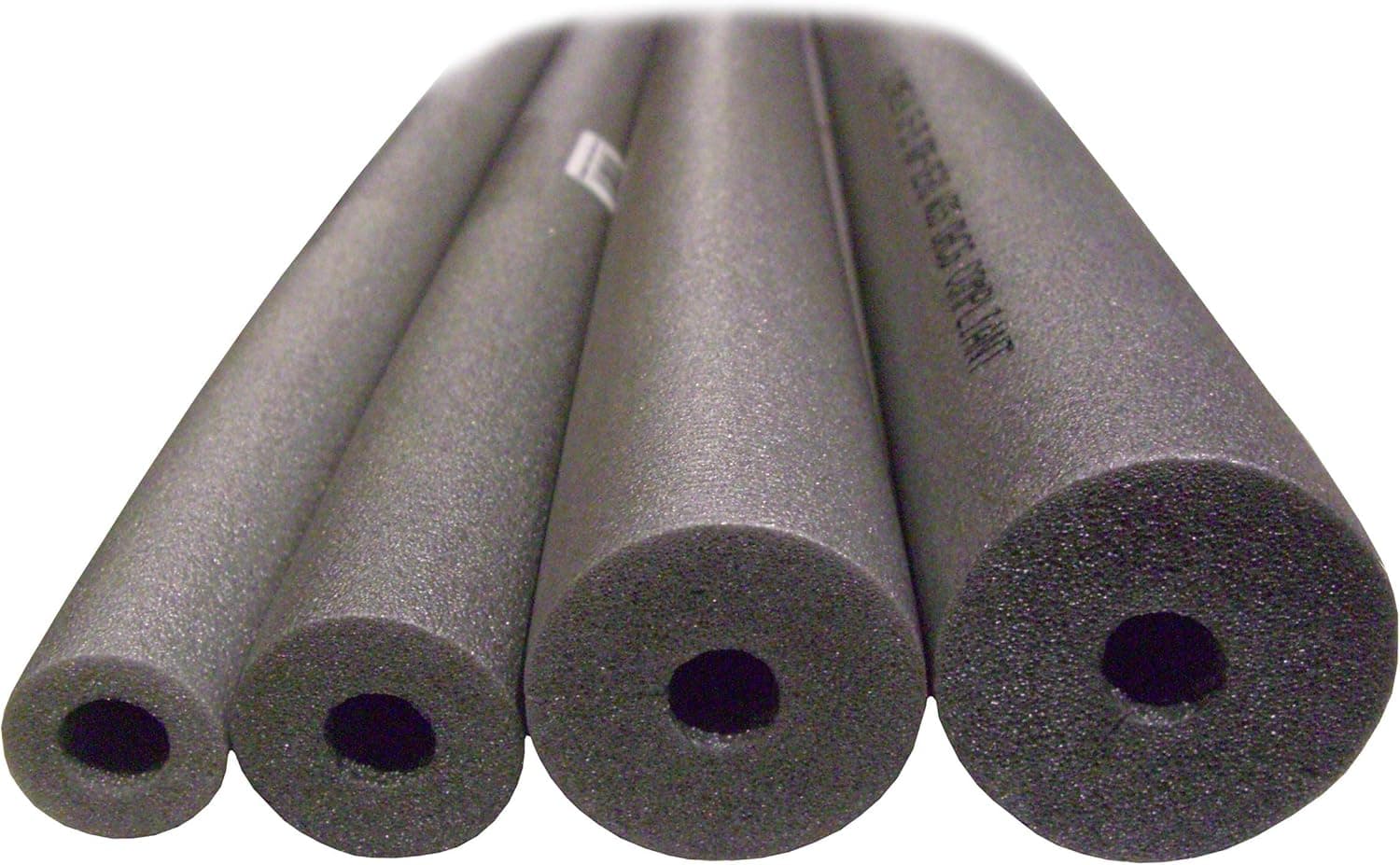
Climaflex Pipe Insulation 22mm (5m Pack)
£7.08Uninsulated pipes in lofts and garages waste heat. Pipe lagging is cheap and takes minutes to fit.
Climaflex Pipe Insulation 15mm x 2m (10-Pack)
£6.97The right size for most hot water pipes in UK homes. Unlagged pipes in lofts and garages waste heat constantly.
Pipe Insulation Tape (Self-Adhesive, 10m)
£7.69Wraps around bends and valves where standard pipe insulation can't reach. Finishes the job properly.
As an Amazon Associate we earn from qualifying purchases. Prices and stock are checked against Amazon every few hours and may have changed since.
