
EV Charging at Home: The UK Guide
What it really costs to charge an electric car at home, the EV tariffs worth having, charger grants, and charging from your own solar panels.
Free solar quotes
Get an instant solar panel estimate for your home
See your costs and savings in seconds, plus free quotes from MCS-certified installers.
An electric car is only as cheap as the electricity you put in it. Charged at home overnight on an EV tariff, an average driver spends a few hundred pounds a year. Charged on public rapid chargers, the same miles cost more than petrol. This section is about getting on the right side of that gap: the tariff, the charger, the grants that are left, and whether your own solar can do some of the work.
Every rate here was read on the supplier's or government's own site, and updates when the price cap does.
Free tools
Work it out for your car
Rank every EV tariff for your household, see what a year of driving costs on each way of charging, check which charger grant you can still get, and see how much of your car your own roof could charge.
Which EV Tariff Is Cheapest for You?
EV tariffs give you a cheap night rate but usually charge more than the price cap in the day, and the whole house pays that day rate. Put in your household and we'll rank every tariff by what you'd actually pay.
Ofgem's typical home: 2,500kWh
Fridge, standby, timed washing or dishwasher
Price cap average 26.32p
Real-world average 3.3
Every tariff, ranked for your household
| Tariff | Night | Day | Per year | vs your current rate |
|---|---|---|---|---|
| Stay on your current rate | 26.32p | 26.32p | £1,224 | - |
| 7.22p | 28.28p | £810 | £415 cheaper | |
| 8p | your rate | £830 | £394 cheaper | |
| 8.5p | 29.02p | £857 | £367 cheaper | |
| 6.18p | 31.99p | £868 | £356 cheaper | |
| 6.66p | 31.99p | £880 | £345 cheaper | |
| 8.1p | 30.8p | £888 | £337 cheaper | |
| 13.33p | your rate | £945 | £279 cheaper | |
| 9.53p | 31.99p | £949 | £276 cheaper | |
| 9.5p | 34.48p | £1,004 | £220 cheaper | |
| 7.6p | 37.7p | £1,031 | £194 cheaper | |
| 9.5p | 36.9p | £1,058 | £166 cheaper | |
| 7.5p | 41.02p | £1,103 | £121 cheaper |
Click a tariff to see its detail and put in the day rate from your own quote.
Default: Octopus pricing API, London (33.55p to 36.08p across the regions we sampled). Use the rate on your quote.
Octopus Go 12M Fixed: 9.5p, 12:30am to 5:30am. Any charger. Exit fee: £50.
Its day rate costs your household about £142 a year more than your current rate. The car's cheaper charging covers that once you drive more than about 2,800 miles a year.
Unit costs only. Standing charges vary by region and tariff, and some tariffs are only open to existing customers, so check both on your quote. Assumes all of the car's charging happens in the cheap window. Night rates and hours from each supplier's own site or the Octopus pricing API on 11 October 2026; where a supplier only shows day rates by postcode we use MoneySavingExpert's regional averages.
EV Charging Cost Calculator
What a year of driving costs on each way of charging, against a petrol car. Every rate was checked with the supplier or official source on 11 October 2026.
England average 7,100 (all cars), 9,400 for EVs
Real-world average 3.3. Small, efficient cars do 4+, big SUVs under 3.
The rest is public charging
Rapid 79p, slower public 54p (Zapmap, Sept 2026)
Petrol 174.88p a litre (5 October 2026)
Your EV, per year
£290
4.1p a mile, 2,152kWh
Petrol car, per year
£1,254
17.7p a mile at 45mpg
EV saves you
£964
Fuel and charging only
Breakdown
Home charging £147 | Public charging £143
For comparison, doing all your miles on public rapid chargers would cost about £1,700 a year. Home charging is what makes an EV cheap to run.
All your miles charged at home, by tariff
Charging only. EV tariffs usually charge more than the cap in the daytime, which raises the rest of your household bill. Our EV tariff guide works through when that wipes out the saving.
Assumes all home charging happens in the cheap window. Real costs run a little higher because some energy is lost as heat while charging, and the figures leave out standing charges, servicing, insurance and vehicle tax. Price cap rate 26.32p/kWh (1 October to 31 December 2026). Sources: supplier tariff pages and the Octopus API, Zapmap Charging Price Index (September 2026), DESNZ weekly road fuel prices, DfT National Travel Survey NTS0901, EV Database, HMRC eVED policy paper (13 July 2026).
EV Charger Grant Checker
A few questions, then we'll tell you which grant fits, what you'd pay, and what to do next. Based on gov.uk's eligibility rules, read 11 October 2026.
Do you own or rent your home?
Solar EV Charging Calculator
How much of your driving your roof could cover, month by month, and whether putting that solar in the car beats exporting it and charging at night. Solar output from the EU's PVGIS model.
A typical 3-bed semi has about 4kWp
2 for a weekday commuter, 5 to 7 if you work from home
Solar into the car
611kWh
28% of the car's 2,152kWh a year
Miles from your roof
2,015
a year, at 3.3 miles per kWh
Gain vs exporting it
£87
14.32p per kWh better than export
Solar output: PVGIS v5.2 for a south-facing system at 40 degrees with 14% losses, scaled to 4kWp (3,885kWh a year here). We assume the house uses 45% of its solar itself, our standard model for homes without a battery, leaving the rest as surplus. The car can soak up surplus only on the days it's home, up to a week's worth of driving at a time. Real solar-matching chargers need a minimum surplus to start (nominally 1.4kW on a single-phase myenergi zappi), so cloudy-day output often won't reach the car. Export rates: Outgoing Octopus 12p; typical older supplier deals around 5p.
Bottom line
If you can charge at home overnight, an EV is far cheaper to run than petrol. If you can't, it may not be.
Get a home charger if you have anywhere to put one, get on an EV tariff if your mileage covers its higher day rate, and use public rapid chargers for journeys rather than as your main supply. If you have a sunny roof, solar can cover much of the summer driving, but check your tariffs first: on a cheap night rate, exporting your solar can be worth more than putting it in the car.
Running costs at a glance
An average 7,100 miles a year, an EV doing 3.3 miles per kWh, and a 45mpg petrol car. Highlighted column is the one to aim for.
| Home, EV tariff | Home, price cap | Public rapid | Petrol car | |
|---|---|---|---|---|
| Price | 7.6p/kWh | 26.32p/kWh | 79p/kWh | 174.88p/litre |
| Per year (7,100 miles) | £164 | £566 | £1,700 | £1,254 |
| Per mile | 2.3p | 8.0p | 23.9p | 17.7p |
Sources: Octopus (Intelligent Octopus Go), Ofgem price cap, Zapmap Charging Price Index September 2026, DESNZ road fuel prices, DfT National Travel Survey, EV Database. Charging losses not included.
Understand
Know what charging really costs
Start with the numbers for your own driving. The difference between charging at home and charging on the road is bigger than most people expect.
 Guide
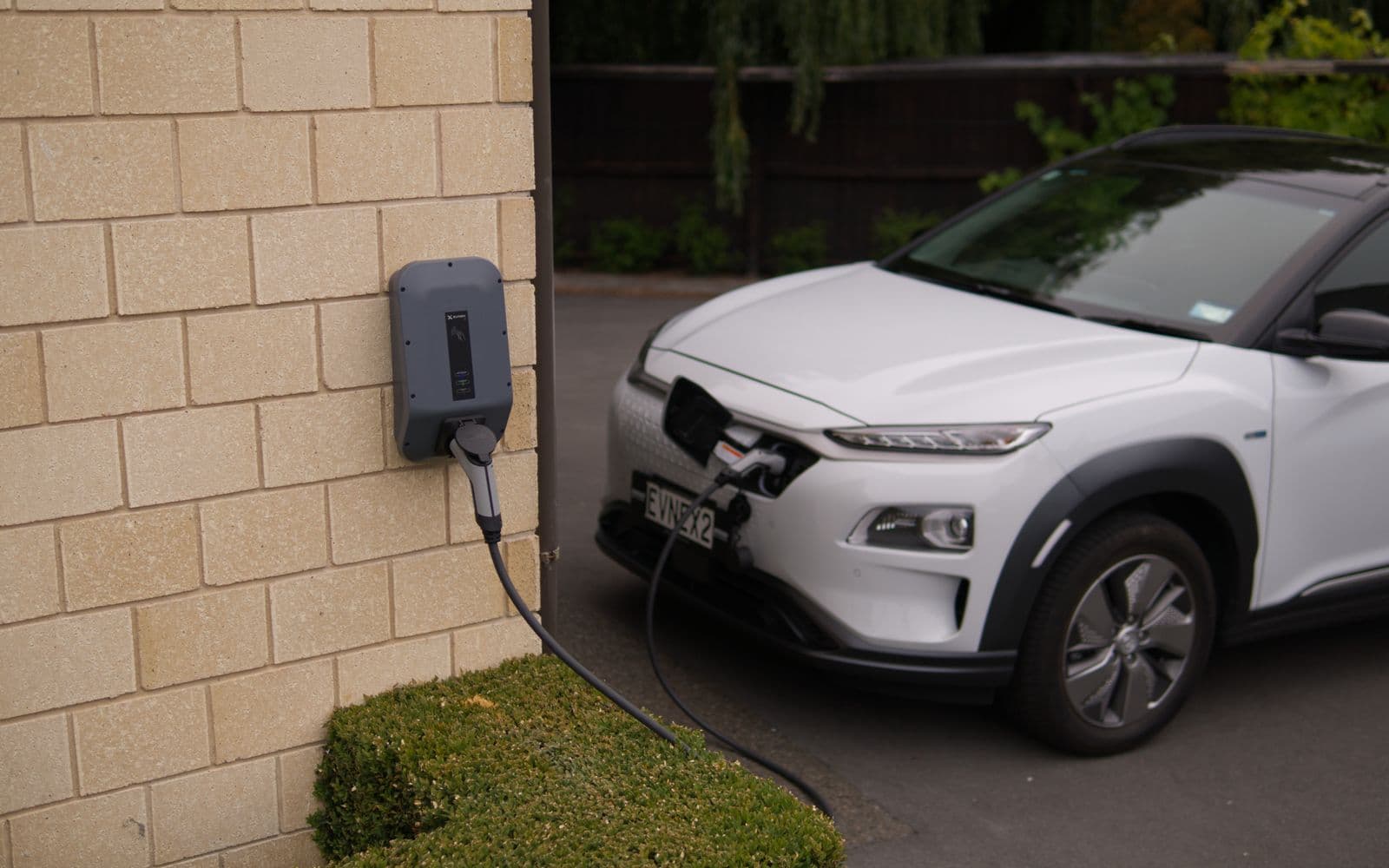
GuideWhat it really costs to charge an EV
Home on every EV tariff, at the price cap, on public chargers and against petrol, plus a charge time and cost calculator for a single session and what the 2028 per-mile EV tax adds.
Read guideEV charging cost calculator
Your mileage, your car's efficiency and your mix of home and public charging, against a petrol car at today's pump price. Every rate checked with the supplier or official source.
Open calculatorSet up
Pick the right tariff, and any grant that's left
The tariff is the biggest lever on your bill after charging at home, but the day rate the rest of your house pays decides whether it's worth it. Government help with a charger is now limited to renters, flat owners, on-street parking and landlords, and ends on 31 March 2027.
 Guide
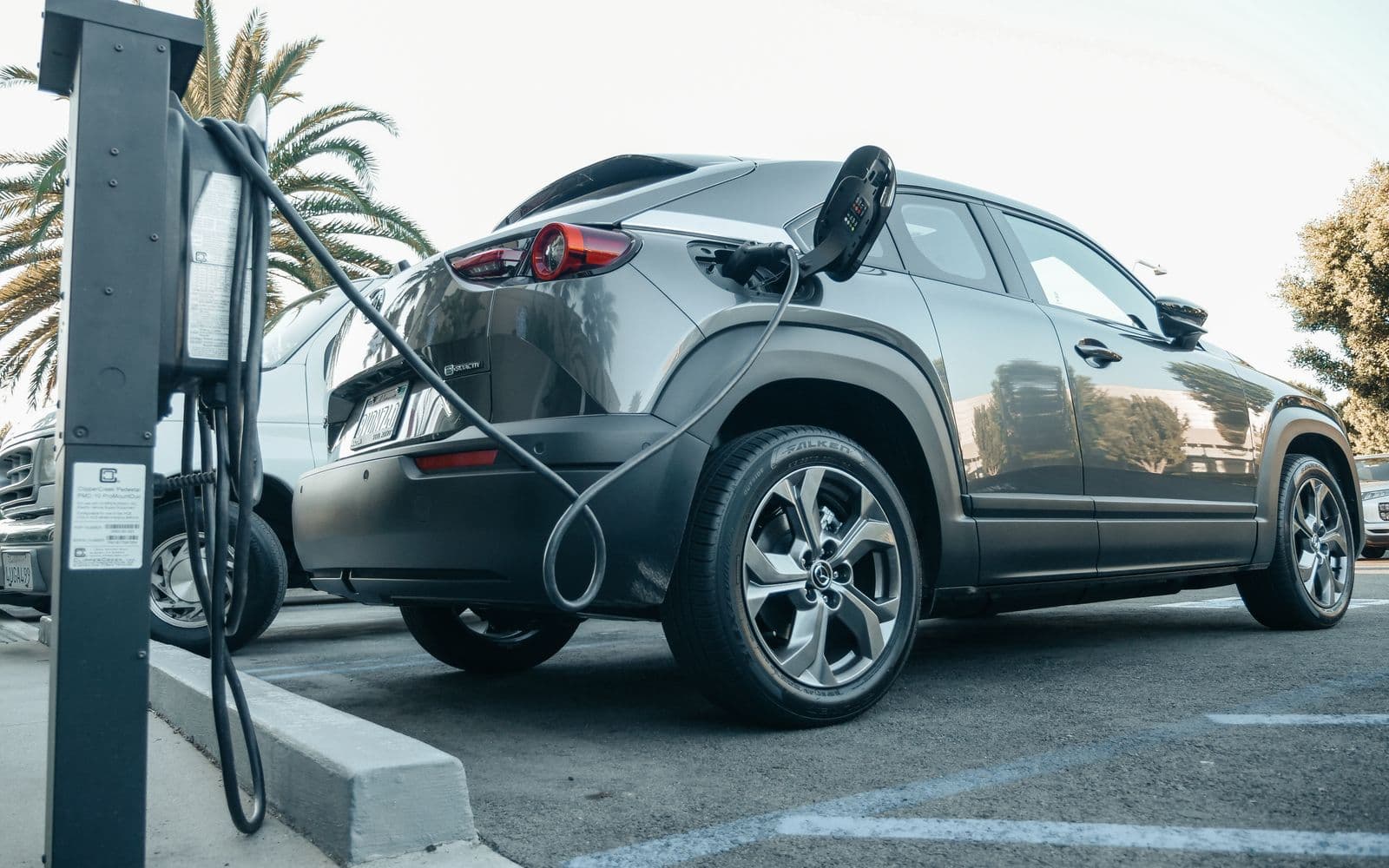
GuideBest EV tariff: the day-rate catch
Twelve tariffs with the day rates most lists leave out, and a calculator that ranks every one for your household. Why the cheapest night rate is rarely the cheapest tariff.
Read guide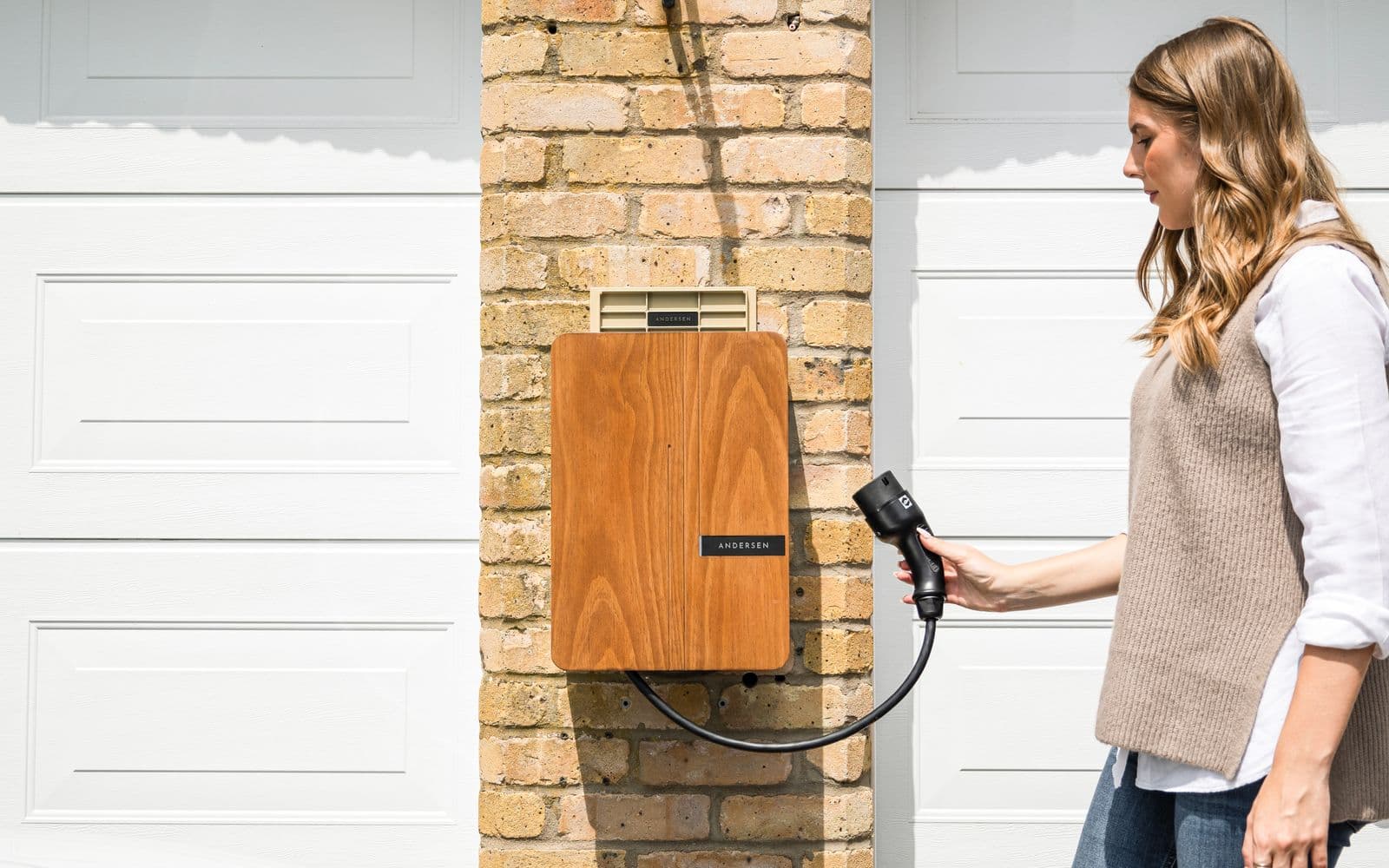 Guide
GuideThe £500 charger grant, and who can still get it
An interactive checker tells you which grant fits and what you'd pay. Renters, flat owners, on-street parking and landlords qualify; all close on 31 March 2027. Homeowners with a driveway get nothing.
Read guideGo further
Charge from your own roof
Solar and an EV suit each other in summer. Whether it's worth putting your solar in the car depends on your import and export tariffs.


Get started
Ready to get started?
Thinking about solar to charge your car? Tell us about your home and we'll match you with MCS-certified solar installers who cover your area. Free, no obligation.