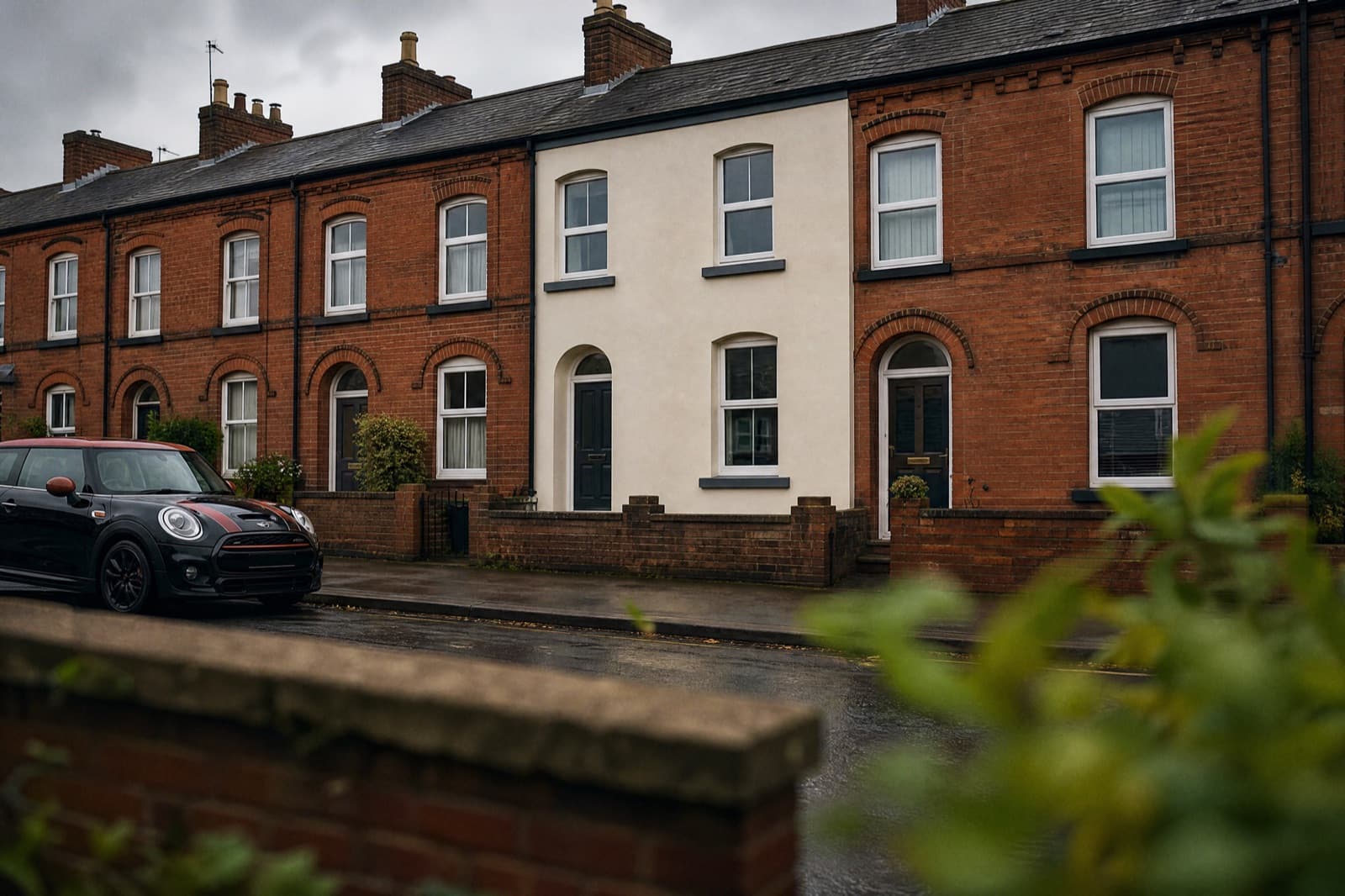
The Short Answer
The Energy Saving Trust puts solid wall insulation for a typical 3-bed semi at around £12,000 inside or £15,000 outside. DESNZ measured a median 17.3% cut in gas use after it, about £146 a year for a semi at today's price. On the bill alone that's about 82 years to pay back even the internal job, so in our view do it if a grant pays, if you're re-rendering or replastering anyway, or because cold walls and mould make the house miserable.
The installer matters more than the material: the National Audit Office found 98% of homes given external wall insulation under ECO4 and the Great British Insulation Scheme had major issues needing remediation.
Do You Have Solid Walls?
Measure the wall at an open door or window. The Energy Saving Trust says a brick wall 260mm to 350mm thick is likely to be a cavity wall, and narrower is probably solid; older houses are more likely to have solid walls. Your EPC usually says under "Walls". If you have unfilled cavities, see our cavity wall guide: it costs a fraction of this.
Internal or External?
| Internal | External | |
|---|---|---|
| Typical cost, 3-bed semi (EST) | around £12,000 | around £15,000 |
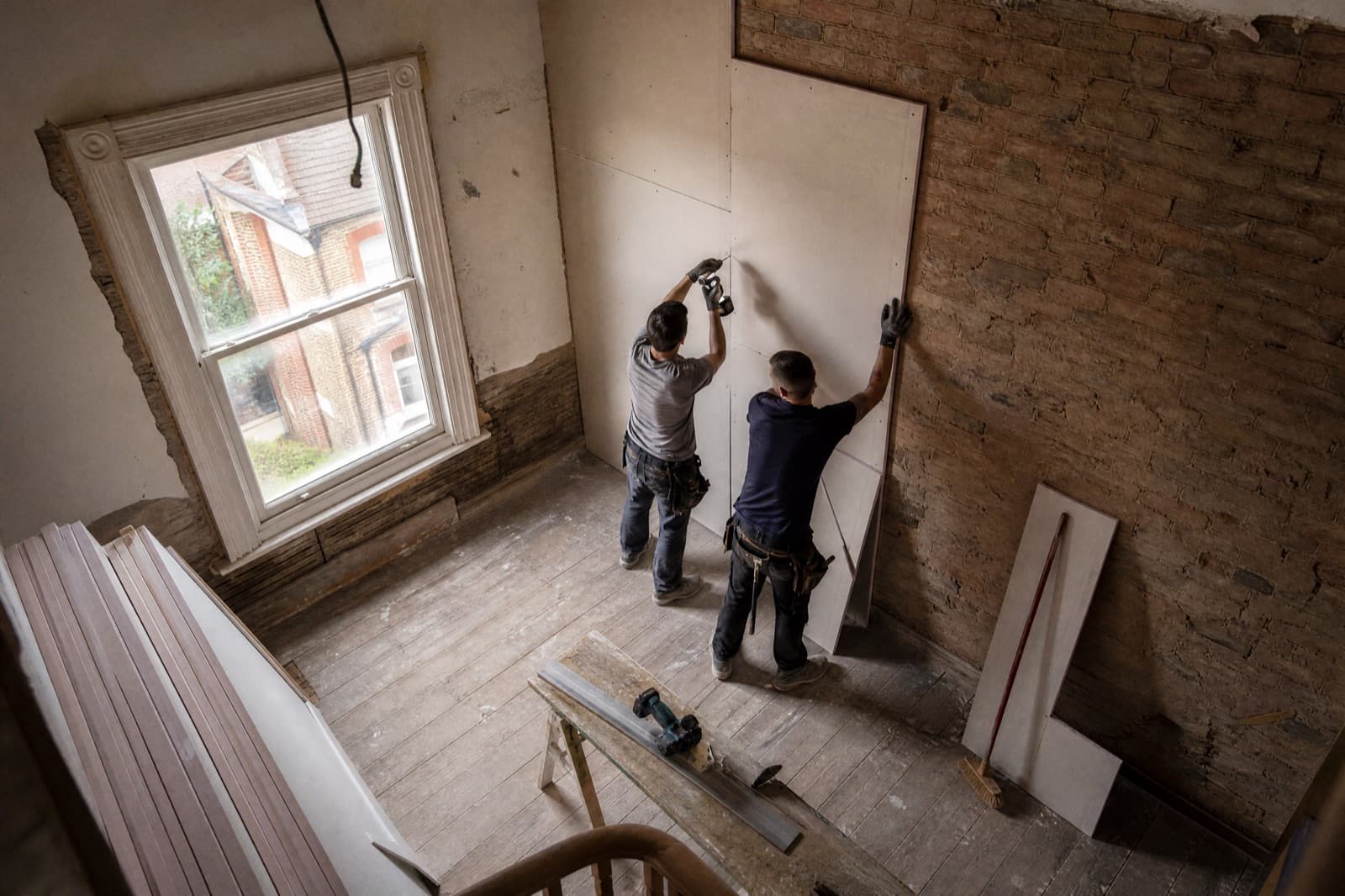
| What happens | Insulated boards fixed inside the outside walls, then plastered | Boards fixed outside, then rendered or clad |
| Rooms | Each outside wall comes in by the thickness of the build-up | No change inside |
| Disruption | Room by room; skirting, sockets and radiators come off and go back | Scaffolding outside |
| In stages? | Yes, a room at a time | Realistically, a whole wall at once |
| Outside look | Unchanged | New render or cladding: planning may be needed |
Our view: on a brick terrace or semi, internal insulation done room by room as you redecorate is the realistic option for most people paying themselves. External is better if the outside needs work anyway, but it's an all-at-once job that changes how the house looks.
What It Costs and Saves
| Home | Internal | External | Saving a year (DESNZ measured) |
|---|---|---|---|
| Flat | £6,000 | £7,500 | £82 |
| Mid-terrace | £6,500 | £8,000 | £125 |
| Bungalow | £9,500 | £12,000 | £141 |
| Semi-detached | £12,000 | £15,000 | £146 |
| Detached | £21,500 | £27,000 | £190 |
The EST publishes costs for a semi only, so other homes are scaled by wall area (our estimate). Its costs assume a company doing the whole house at once and, for internal, redecorating afterwards. Savings are DESNZ's median 17.3% cut in gas use in the year after solid wall insulation (homes in England and Wales), on each type of home's typical gas use at today's price; homes heated by oil, LPG or electricity save more per kWh. The calculator works it out for your fuel.
Your Home, Your Fuel
Solid wall insulation calculator
What it costs, what it saves, and how much room you lose
Your home
How it's heated
Internal wall insulation
Typical cost: £12,000
Saving: about £146 a year
Payback: about 82 years
External wall insulation
Typical cost: £15,000
Saving: about £146 a year
Payback: about 103 years
On those numbers it won't pay for itself in the life of the insulation. Do it for comfort, to cure cold walls and mould, to get ready for a heat pump, or because a grant or a renovation already in hand takes most of the cost.
Energy Saving Trust costs for a 3-bed semi (around £12,000 internal, £15,000 external), scaled to other house types by wall area. Saving: DESNZ's measured median 17.3% cut in gas use after solid wall insulation, on this type of home's typical gas use, rescaled for your fuel at 1 October to 31 December 2026 prices. Internal costs assume every room done in one go and redecorated; doing it room by room when you redecorate anyway can cost less (our view).
What Goes Wrong
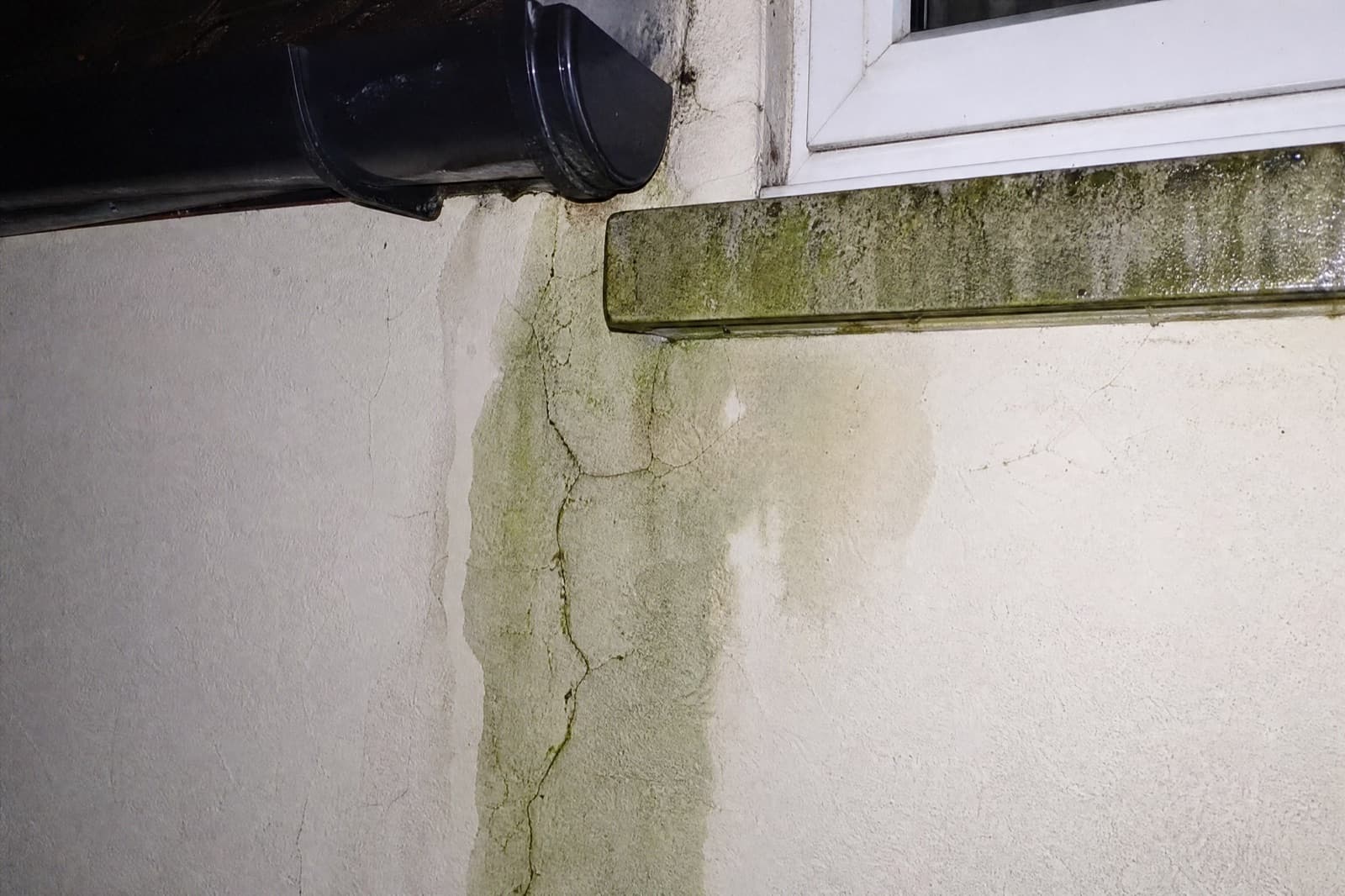
The National Audit Office reported on 14 October 2025 that 98% of homes given external wall insulation under ECO4 and the Great British Insulation Scheme, and 29% given internal, had major issues needing remediation. The usual failures:
- Moisture trapped in the wall, especially behind internal insulation, or on old stone and lime walls sealed with the wrong materials.
- Cold spots at the edges: window reveals and floor, ceiling and internal wall junctions left uninsulated. That's where mould forms.
- Water behind the render at the top, bottom, sills and around pipes. Gutters, downpipes and roof overhangs need putting right first.
- Ventilation blocked: extractor fans, trickle vents, air bricks and flues have to be kept clear and extended through the new layer.
Before you sign, ask who assessed the walls for damp, how each junction will be detailed, what happens to fans, flues and air bricks, who handles building control, and what guarantee you get if the company stops trading.
Building Regulations
In England, if you replace more than 50% of a wall's surface (re-rendering, or stripping back to the brick), building regulations expect the whole wall to be brought up to standard where it's technically, functionally and economically feasible. Approved Document L's target for a wall with internal or external insulation is a U-value of 0.3, or the best that pays back within 15 years, and generally no worse than 0.7. If reaching it would cut a room's floor area by more than 5%, a lesser standard may be appropriate (the calculator's room space tab shows where yours sits). Wales, Scotland and Northern Ireland have their own rules. External cladding that changes how the house looks may need planning permission, especially in a conservation area, and a listed building needs consent: ask your council before paying a deposit.
Grants
- England, Scotland and Wales: ECO4 can fully fund solid wall insulation for households on qualifying benefits, until 31 December 2026.
- England: the Warm Homes: Local Grant, for household incomes usually £36,000 or less, EPC D, E, F or G.
- Scotland: Home Energy Scotland's grant gives up to £7,500 for solid wall insulation, up to 75% of the combined cost.
- Wales: Nest for eligible households; Green Homes Wales lends £1,000 to £25,000 interest-free.
- Northern Ireland: Affordable Warmth, for incomes under £23,000, gives up to £10,000 for a solid wall home that needs insulation; NISEP schemes too.
If someone else pays, vet the installer as hard as if you were paying: that's where the NAO found the faults.
What You Don't Need
- Solid wall insulation before the cheap jobs, in our view: a bare loft, draught-proofing and floors cost a fraction and pay back faster. See our insulation costs guide.
- Non-breathable materials on old stone or lime walls.
- An installer who's vague about junctions, damp and ventilation, however good the price.
Get free insulation quotes
Tell us about your home and compare quotes from up to 3 local insulation installers for loft, cavity, floor or solid wall work. Free, no obligation, takes about 60 seconds.