The Short Answer
Stop the heat getting in during the day, and let it out at night. It's usually easier than cooling a hot house down again. Here's what we'd do, in order:
- Shut the curtains or blinds on each window before the sun reaches it, and keep windows shut while it's hotter outside than in.
- Turn off lights and gadgets you aren't using, and cook at a cooler time of day.
- Once the air outside feels cooler, usually at night, open windows on different sides of the home so air flows through.
- Sleep in the coolest room, with a fan if it's below 35C (UKHSA's limit for fans).
All of that is free, apart from the fan at about 0.9p an hour. If your home still gets hotter than 35C, or someone at higher risk sleeps in a room that stays hot, that's when we'd look at air conditioning.
Check Your Home
Answer seven questions about your home. It checks six of the reasons UKHSA gives for homes overheating, and the steps in the order we'd take them.
Keep your home cool
Is your home likely to overheat, and what to do
From UKHSA's list of homes that overheat, and the public health advice for each part of the UK.
Overheating risks UKHSA lists
None of them
Your home has none of the risks we ask about, but UKHSA says homes can overheat in warmer weather.
What to do, in the order we'd do it
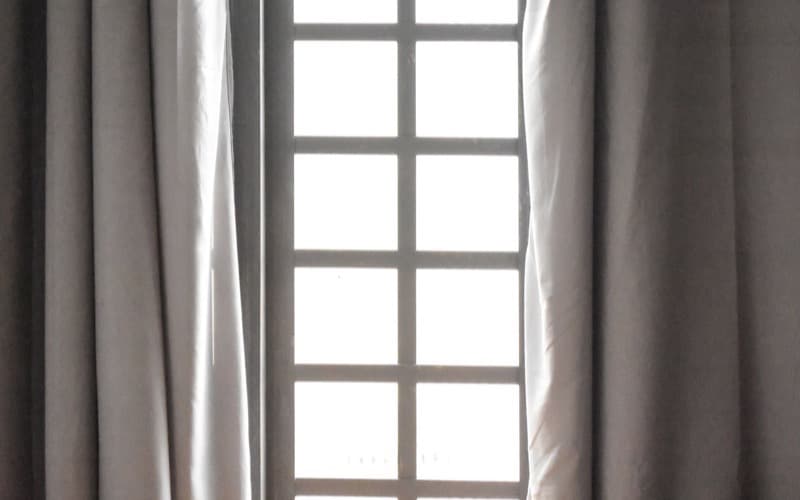
- 1Close curtains and blinds before the sun reaches them. Then open them once the sun has moved off. We'd use pale ones: dark curtains and metal blinds absorb heat, so put something reflective behind them.
- 2Keep windows shut while it's hotter outside. Opening them then just lets the warmer air in. If a room gets unbearable, move to a cooler one.
- 3Open up when it's cooler outside. Usually at night. As soon as the air outside feels cooler than inside, open windows on different sides of the home so air flows through, where it's safe to. Close ground-floor windows when you go to bed or go out.
- 4Cut the heat you make. Lights and equipment off when you aren't using them, the heating off (check the timer), and cook at a cooler time of day or eat cold.
- 5Sleep in the coolest room. Probably one that gets little sun during the day.
- 6Use a fan below 35C. That's UKHSA's limit for fans. Sit in its breeze rather than pointing it straight at you, which UKHSA warns can lead to dehydration. A tower fan on its top speed costs about 0.9p an hour (Meaco's figures, at the Great Britain price cap rate of 26.32p per kWh).
- 7Keep an eye on the temperature. A thermometer in the bedroom and the living room tells you when a fan stops being enough.
Before next summer
- Shade the sunniest windows from outside: UKHSA says external shutters, roller blinds or awnings are very effective. Solar film on the sunniest windows helps too.
Still too hot after all that? Our fan or air conditioning guide works out what each would cost you.
A Hot Day, Hour by Hour
Morning. If it was cooler overnight, you want to keep that cooler air in. As soon as the air outside starts to feel warmer than inside, shut the windows. Close the curtains or blinds on each window before the sun gets round to it, not once the room is already hot.
Middle of the day. Keep everything shut on the sunny side. Lights and anything you aren't using go off, the heating stays off (check it, and the timer), and you cook later or eat cold. Stay out of the sun yourself between 11am and 3pm. If you need a fan, sit in its breeze rather than pointing it straight at you.
Evening and night. A house soaks up heat all day and gives it out slowly, which is why it still feels hot at bedtime. The moment the air outside feels cooler than inside, which is often not until night, open up: windows on different sides of the home if you can, so air flows through. Curtains can open once the sun has moved off a window.
Leave windows open where it's safe to, but close ground-floor windows when you go to bed or go out. Sleep in the coolest room.
The Mistakes to Avoid
- Opening windows on a hot afternoon to "get some air in". If it's warmer outside than in, you're letting the heat in. Wait until it's cooler outside, usually at night.
- Dark curtains and metal blinds. They absorb heat. We'd use pale curtains, or put something reflective between the blind and the glass.
- Waiting until the room is hot to close the curtains. We'd close them before the sun reaches the window, because it's easier to keep heat out than to get it out again.
- Pointing a fan straight at yourself. UKHSA warns it can lead to dehydration.
- Leaving a fan on in an empty room. A fan cools you, by moving air over your skin; it doesn't lower the room temperature.
- Relying on a fan above 35C. UKHSA's advice is to use fans below that, and Public Health Wales says above it they may not help.
- Forgetting the heat you make: the heating left on a timer, lights and equipment left on, the oven at the hottest time of day.
How to Cool a Bedroom
Pick the coolest room, probably one that gets little sun during the day, and sleep there if you can. Then:
- keep its curtains shut while the sun is on its window, and open the window once it's cooler outside
- use a fan below 35C, not pointed straight at you
- have a cool shower, or put cool water on your skin or clothes
- put a thermometer in the bedroom, so you know rather than guess, especially where someone at higher risk sleeps
What Is the 11am Rule?
It isn't an official name, and it's about you, not the house: stay out of the sun, or in the shade, especially between 11am and 3pm, when UKHSA says UV levels are highest. Save anything strenuous for cooler times of the day. The public health advice in every part of the UK says the same (UKHSA for England, NHS inform for Scotland, Public Health Wales, and nidirect for Northern Ireland).
Look After People Too
- Check on anyone at higher risk: family, friends and neighbours. If you're at higher risk, ask them to check on you.
- Drink plenty, and go easy on alcohol.
- Medicines: some need storing below 25C or in the fridge, so follow the packaging.
- Know the signs of heat exhaustion: tiredness, weakness, feeling faint, a headache, cramps, feeling sick, heavy sweating and intense thirst. UKHSA's advice (for England) is to move somewhere cooler, take off unnecessary clothes, drink cool water and cool the skin, and contact NHS 111 if you're concerned or it gets worse.
- Heatstroke is an emergency. UKHSA lists the signs as confusion, lack of co-ordination, a fast heartbeat, fast breathing or shortness of breath, hot skin that isn't sweating, and seizures. Dial 999, then try to cool them down.
- In England, watch for heat-health alerts, which UKHSA issues with the Met Office when it's hot enough to affect health.
Homes More Likely to Overheat
UKHSA lists these as more likely to overheat (it doesn't rank them):
- top-floor flats, "because heat rises"
- homes with windows that open on just one side, so less air flows through
- homes with little shade from the sun, outside (no shutters or shades) or inside (no curtains or blinds)
- large east, west or south-facing windows without shade
- homes in densely built-up urban areas with little green space nearby
- some highly insulated or energy-efficient homes, which may trap heat
- homes with appliances that give off excess heat, such as poorly insulated hot water systems
- homes where windows can only open a little, for example because of a safety catch
It also lists who's at higher risk from a hot home, including people aged 65 and over, children aged 5 and under, people who live alone, people with long-term health conditions, pregnant women and people on certain medications. If your home ticks several boxes and someone like that lives in it, we'd take the steps below seriously.
Before Next Summer
What we'd do:
- Shade the sunniest windows from outside. UKHSA says external shutters, roller blinds or awnings are very effective; we like them because they stop the sun before it reaches the glass. Plants grown outside can shade a south-facing window too.
- Curtains or blinds on every sunny window, pale ones, if you haven't got them.
- Solar film on the sunniest windows, which cuts the heating effect of sunlight through the glass.
- Ventilation: if your home has a ventilation system, check it's on, and in "summer mode" if it has one.
Insulation helps keep a home cool in summer as well as warm in winter; our loft insulation guide covers the costs. But UKHSA says some highly insulated homes may trap heat, so if you're insulating or refurbishing, ask the installers how they'll stop it overheating.
If you rent and a hot home is affecting your health, in England the NHS says your council's environmental health team can inspect it for hazards, including excess heat.
Do You Need Air Conditioning?
Try everything above first: the public health advice is built on those steps and a fan. We'd look at air conditioning if:
- your home still gets hotter than 35C indoors, where fans stop being the advice
- someone at higher risk sleeps in a room that stays hot after you've done all of the above
- it happens most summers, not just in the odd heatwave
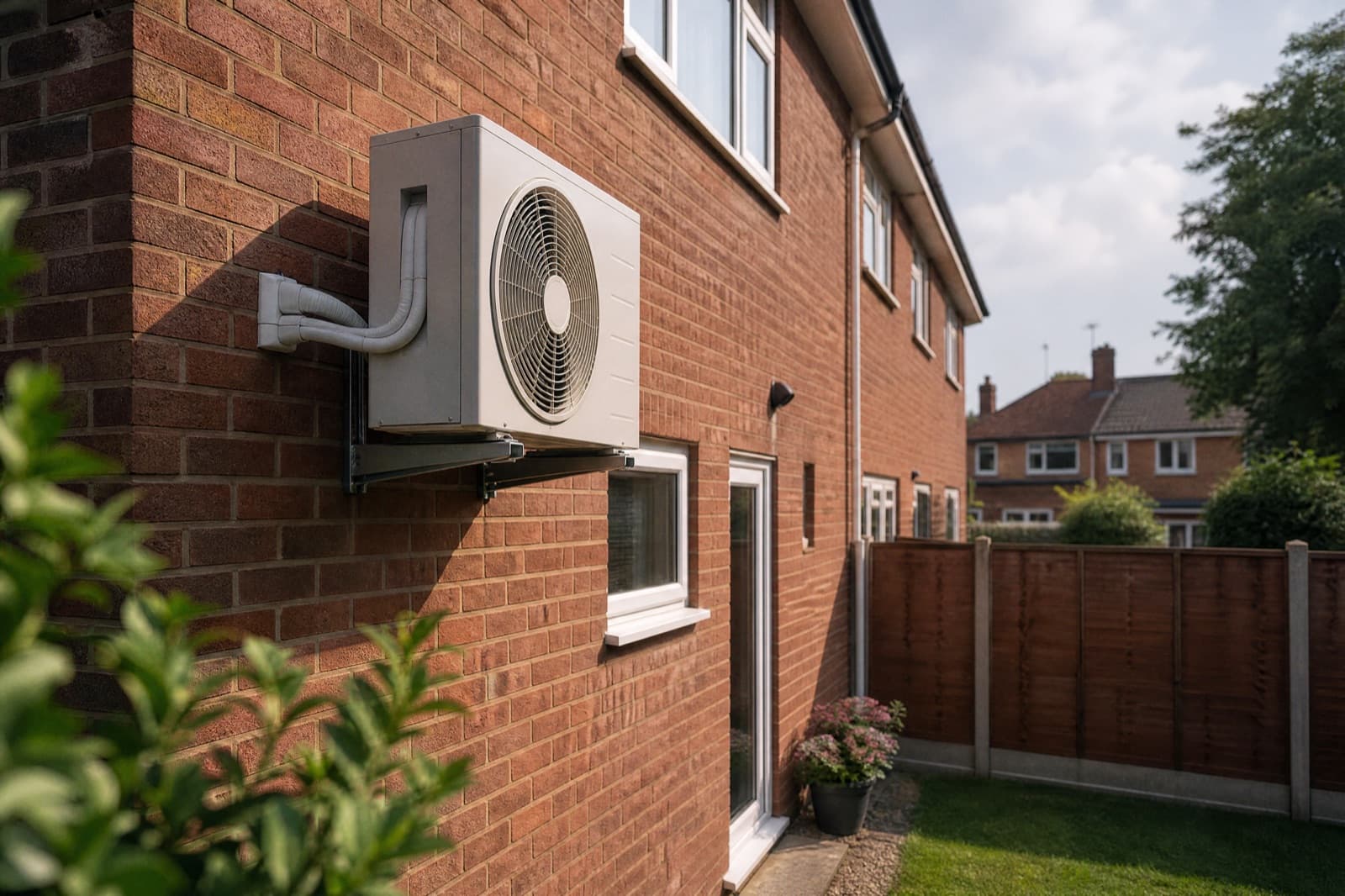
For the odd hot week we'd use a portable, which needs no installer. For a room that overheats every summer, we'd use a split, which costs less to run.
A fan costs about 0.9p an hour on its top speed. A portable air conditioner such as Meaco's 12,000 BTU Cirro (about 3.5kW of cooling) costs up to 35.5p an hour at full power. When we checked in October 2026, the Energy Saving Trust put a typical portable at £4.62 to £5.00 for a whole day. A split with similar rated cooling (Daikin's 3.5kW) costs about 19.9p an hour at its rated output, but about £1,500 to £3,500 to have fitted for one room. All at the Great Britain price cap rate.
If you use a portable, keep internal doors closed, make sure there are no gaps where the hose goes out of the window, and unplug it at the wall when it's off. An evaporative cooler is another option: it cools the air near it, for a similar or slightly higher running cost than a fan, but adds moisture, so keep the room ventilated. Our fan or air conditioning guide works it out for your hours, and the split air conditioning guide covers a fitted system.
Get air conditioning quotes
Compare fitted prices for split and multi-split systems from up to 3 local installers. Tell us how many rooms and where the outdoor unit can go. Free, no obligation, about 60 seconds.