
Replace Your Boiler With a Heat Pump: The Complete Decision Guide
Your boiler is playing up, or it has failed entirely. You have three options in front of you, and the right one depends on your circumstances, your budget, and how long you plan to stay in your home. This guide gives you the honest numbers for each path so you can make an informed choice under pressure.
Your Three Options
Option 1: Repair the Existing Boiler
If your boiler is repairable and not too old, a repair buys time. Typical repair costs range from £150 to £500 depending on the fault. A new pump or diverter valve sits at the lower end; a heat exchanger or PCB failure at the top. A repaired boiler realistically gives you one to three more years before the next breakdown.
This makes sense if: you are mid-way through a major renovation and want to delay the decision, or if your home is not yet ready for a heat pump (poor insulation, very small outdoor space) and you need time to prepare.
It does not make sense if: the boiler is over 15 years old and has already had multiple repairs, you want to claim the BUS grant before the current funding round closes, or you are paying very high gas bills and want to start saving now.
Option 2: New Gas Boiler
A new condensing gas boiler costs around £2,750 installed, typically £2,500 to £3,000, and lasts 10 to 15 years. It is a known quantity: quick to install (usually one day), well understood by installers, and compatible with your existing radiators and hot water cylinder.
The case for a new gas boiler is weakening. Gas prices are expected to remain high relative to historical norms. The government's Warm Homes Plan targets over 450,000 heat pump installations a year by 2030, so the installer base is tilting that way over time. And critically, you will not be eligible for the £7,500 BUS grant once you have installed a new gas boiler, as you need to be replacing a fossil fuel system to qualify.
A new boiler still makes sense if: you have a very small outdoor space with no viable location for a heat pump unit, your home is listed and external works are restricted, or your home is so poorly insulated that a heat pump would be impractical and expensive to run until major works are done.
Option 3: Heat Pump
A heat pump costs £9,000 to £13,000 installed before any grants, depending on the size of your home. The Energy Saving Trust puts the typical figure at around £12,000. With the £7,500 Boiler Upgrade Scheme (BUS) grant, that reduces to £1,500 to £5,500, which is directly comparable to, or cheaper than, a new gas boiler for many homes.
The BUS grant is applied by your installer: they deduct it from your invoice and claim it from Ofgem. You never handle the grant money directly. The key eligibility requirements are that you own the property, you are replacing a fossil fuel heating system, and your installer is MCS-certified. You do not need an EPC and you do not need to clear insulation recommendations first; both conditions have been removed.
10-Year Cost Comparison
The table below shows total expected spend over ten years for a three-bed semi currently paying around £1,500 a year for gas heating. Here's where that number goes: take off the £108 gas standing charge and you're buying £1,392 of gas units, which at 7.97p/kWh is 17,500 kWh of gas, and at 90% boiler efficiency that's 15,700 kWh of heat in the house. A heat pump at COP 3.0 needs 5,240 kWh of electricity to deliver the same heat, and at 26.32p/kWh that's £1,380 a year. Not £1,100, which is what this page used to say and what a lot of sites still do.
| Option | Upfront Cost | Annual Running Cost | 10-Year Running Total | 10-Year Total Spend |
|---|---|---|---|---|
| Repair boiler | £300 | £1,500 | £15,000 | £15,300 |
| New gas boiler | £2,750 | £1,500 | £15,000 | £17,750 |
| Heat pump, no grant, SCOP 3.0 | £11,000 | £1,380 | £13,800 | £24,800 |
| Heat pump, £7,500 grant, SCOP 3.0 | £3,500 | £1,380 | £13,800 | £17,300 |
| Heat pump, £7,500 grant, SCOP 3.5 | £3,500 | £1,180 | £11,800 | £15,300 |
| Heat pump, £7,500 grant, SCOP 3.5, heat pump tariff | £3,500 | £900 | £9,000 | £12,500 |
At COP 3.0 a heat pump is roughly level with gas on running cost. £1,380 against £1,500 is a £120 a year difference, and over ten years the grant-funded heat pump lands at £17,300 against the boiler's £17,750. Four hundred and fifty pounds apart, on numbers with a margin of error bigger than that. Anyone telling you the running cost alone makes this decision is not doing the sum.
What actually makes the case is the two rows below it. Push the SCOP from 3.0 to 3.5, which is what a properly designed system on correctly sized radiators should manage, and you're £2,450 ahead of the boiler. Add a heat pump tariff on top (Cosy Octopus, blended to roughly 20p once the day-rate hours are counted) and you're £5,250 ahead. The £7,500 grant plus a heat pump tariff is the argument. The fuel switch on its own isn't.
Two things the table leaves out, both in the heat pump's favour. If you cut the gas supply off entirely you stop paying the 29.68p a day standing charge, worth another £1,080 over ten years. And the repair row is flattering: £300 buys you one to three more years, not ten, so realistically you're back at this table again with a dead boiler and possibly no grant scheme.
Model your own numbers with our heat pump savings calculator. The heat pump also lasts longer, 20 to 25 years against 10 to 15 for a gas boiler, which pushes the fifteen-year picture further its way.
Step-by-Step: How to Replace Your Boiler With a Heat Pump
Step 1: Check You're Eligible (No EPC Needed)
You do not need an Energy Performance Certificate to apply for the BUS grant. That requirement was removed on 28 April 2026, and the linked "clear your outstanding insulation recommendations first" condition went with it. gov.uk's eligibility page now asks only two things: that you own the property, and that you are replacing a fossil fuel heating system. It says in terms that you're still eligible if you've already had funding to insulate. If a site tells you to budget £60 to £120 for an EPC first, it is out of date. Insulating first is still worth doing, because it lets your installer specify a smaller and cheaper heat pump, but it is now your choice rather than a condition of the grant.
Step 2: Commission a Heat Loss Survey
A heat loss survey is a room-by-room assessment of how much heat your home loses on the coldest design day. It determines the correct heat pump size, identifies which radiators need upgrading, and is a requirement for any properly designed installation. It usually costs £150 to £300, though some installers include it in their quote. Never accept a quote from an installer who has not done this.
Step 3: Get Three MCS Installer Quotes
Your installer must be certified by the Microgeneration Certification Scheme (MCS) for you to receive the BUS grant. You can find certified installers on the MCS website. Getting at least three quotes is strongly advised, as prices for the same job can vary by £2,000 to £4,000 between installers. Make sure each quote includes the heat loss calculation, a system design, and specifies which radiators (if any) need replacing.
Step 4: Apply for the BUS Grant
You don't apply directly. Your MCS installer submits the application to Ofgem, normally before installation begins, and the voucher then has a limited life: Ofgem's guidance says "from the date the voucher is issued, you have 3 months to complete the installation (6 months for a ground source heat pump)", which matches regulation 15(2) of the BUS Regulations 2022. If the voucher expires before commissioning, your installer can re-apply. And if the system has already gone in, it isn't necessarily lost: Ofgem accepts applications for a system commissioned up to 120 days before the application is properly made. The grant amount is deducted from your invoice, so you never handle the money. Make sure your chosen installer confirms they'll handle the application before you sign anything, and check the quote states whether it's before or after the £7,500.
Step 5: Installation
A typical heat pump installation takes two to three days. The outdoor unit is fitted and connected to your internal pipework, the hot water cylinder is usually replaced with a larger model compatible with lower flow temperatures, controls and thermostats are installed (see our best smart thermostats for heat pumps), and the system is commissioned and tested. Most homes have heating and hot water restored the same day the boiler is removed.
Timeline: From Decision to Running
| Stage | Typical Duration |
|---|---|
| Heat loss survey | 1–2 weeks |
| Get three installer quotes | 2–4 weeks |
| BUS voucher application and approval | 2–4 weeks |
| Installation scheduling and completion | 1–3 weeks |
| Total from decision to running | 6–12 weeks |
If your boiler has failed and you need heat urgently, discuss interim solutions with your installer; some will provide temporary electric heaters during the wait. If your property genuinely cannot wait, a repair may be the only practical short-term option while you proceed with the heat pump application.
The Bottom Line
If your boiler has failed and you can get the £7,500 grant, a heat pump is the right call, but not for the reason most articles give. At COP 3.0 you're level with gas on running cost, within about £120 a year, and the ten-year totals land £450 apart. That's not a saving you'd plan your finances around.
What makes it work is the grant bringing the net install cost down to gas-boiler money, and a heat pump tariff turning a level running cost into a genuinely cheaper one. Get both and you're £5,250 better off over ten years than fitting another combi. Get neither and you'd have been better off with the boiler. Get the grant but accept a sloppy 55°C design that lands at SCOP 2.5, and you've spent the grant to make your bills worse.
So the practical advice is narrow: take the grant while it's there, insist on a design flow temperature of 45°C or lower with a predicted SCOP in writing, and move to a heat pump tariff on day one. If your installer can't or won't do the first two, a new gas boiler is the honest answer for your house.
The key question is whether your home is ready. See our guide to heat pumps in old houses if your property was built before 1980, or our radiator upgrade guide to understand whether your existing radiators will work. For a full cost breakdown, visit our heat pump costs guide.
Get Ready for Your Heat Pump
While you wait for installation, these products help you understand your home's energy use and prepare for the switch.
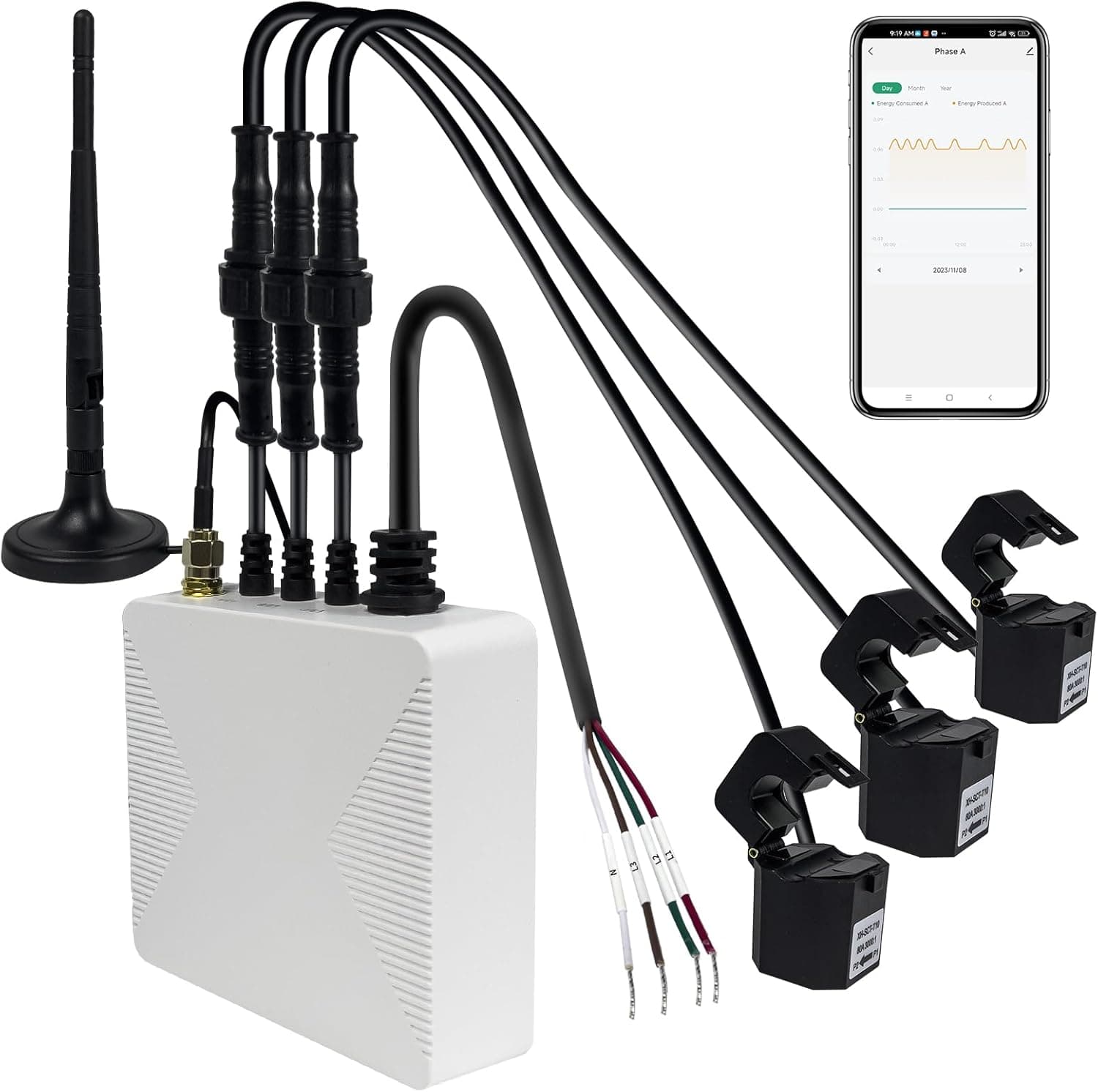
OWON WiFi Smart Energy Monitor
£53.54See exactly how much electricity your heat pump or home uses in real time, essential for tracking savings.
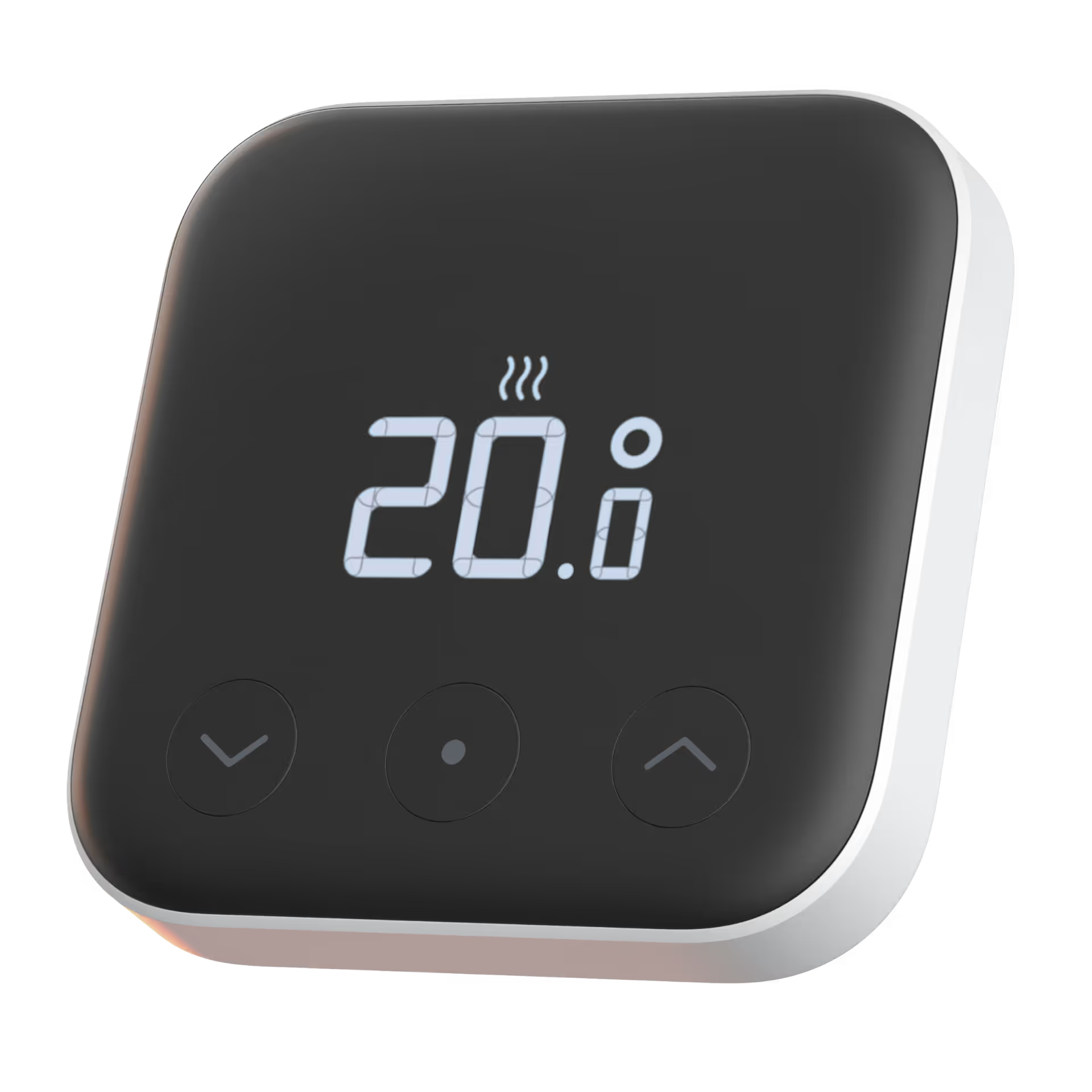
tado° Smart Thermostat Starter Kit V3+
£109.99Works with heat pumps via OpenTherm for weather compensation, reducing running costs by 10–20%.
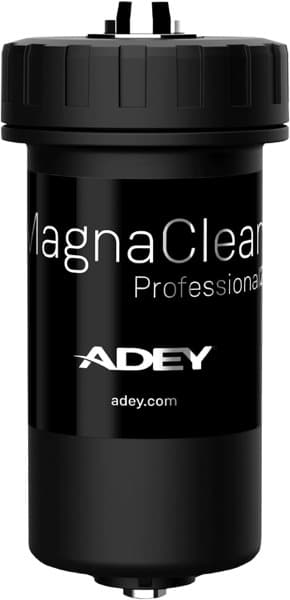
Adey MagnaClean Professional2 Magnetic Filter
£89.99Sludge in old radiator systems can damage heat pump heat exchangers. A magnetic filter catches it before it reaches the pump.
As an Amazon Associate we earn from qualifying purchases. Prices and stock are checked against Amazon every few hours and may have changed since.
